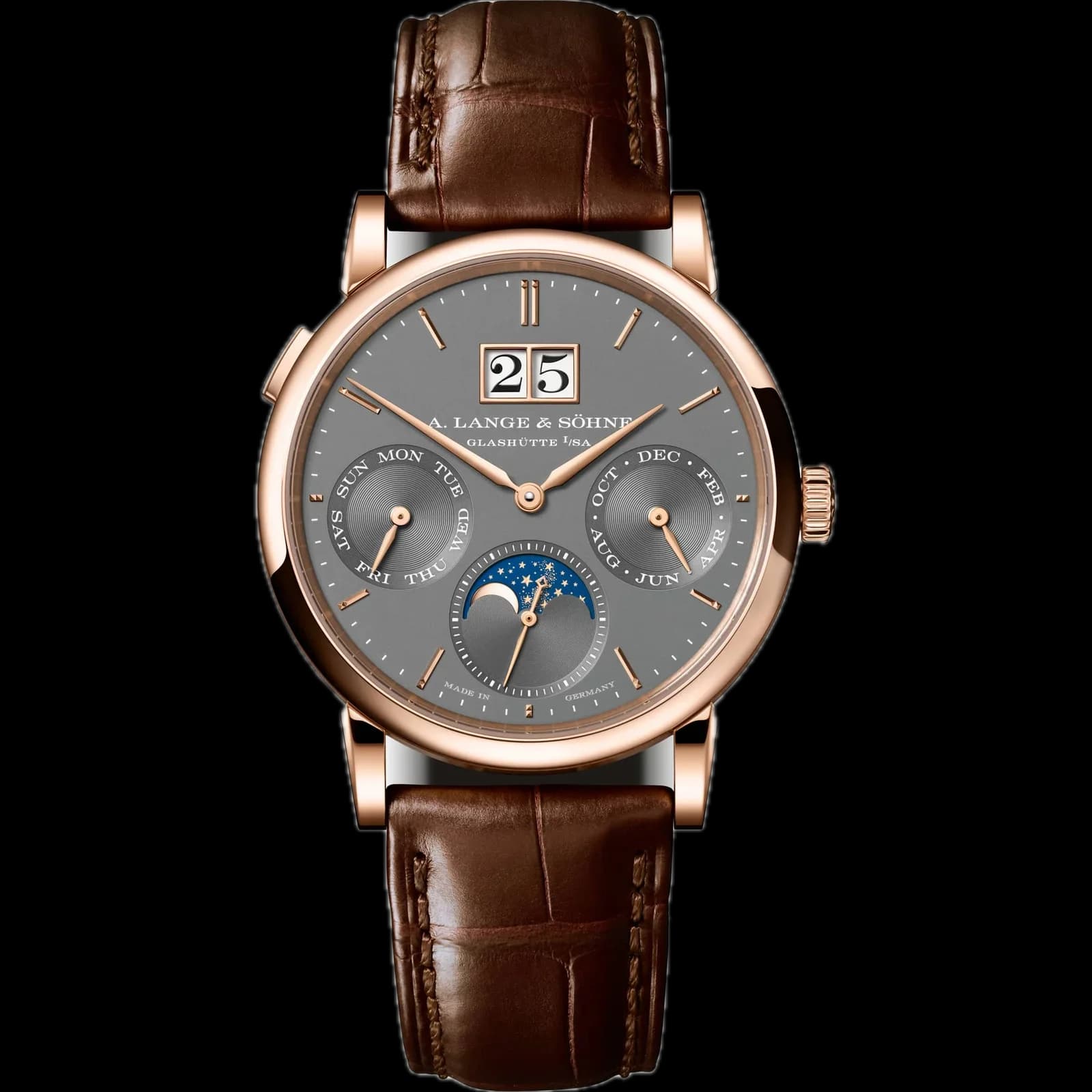
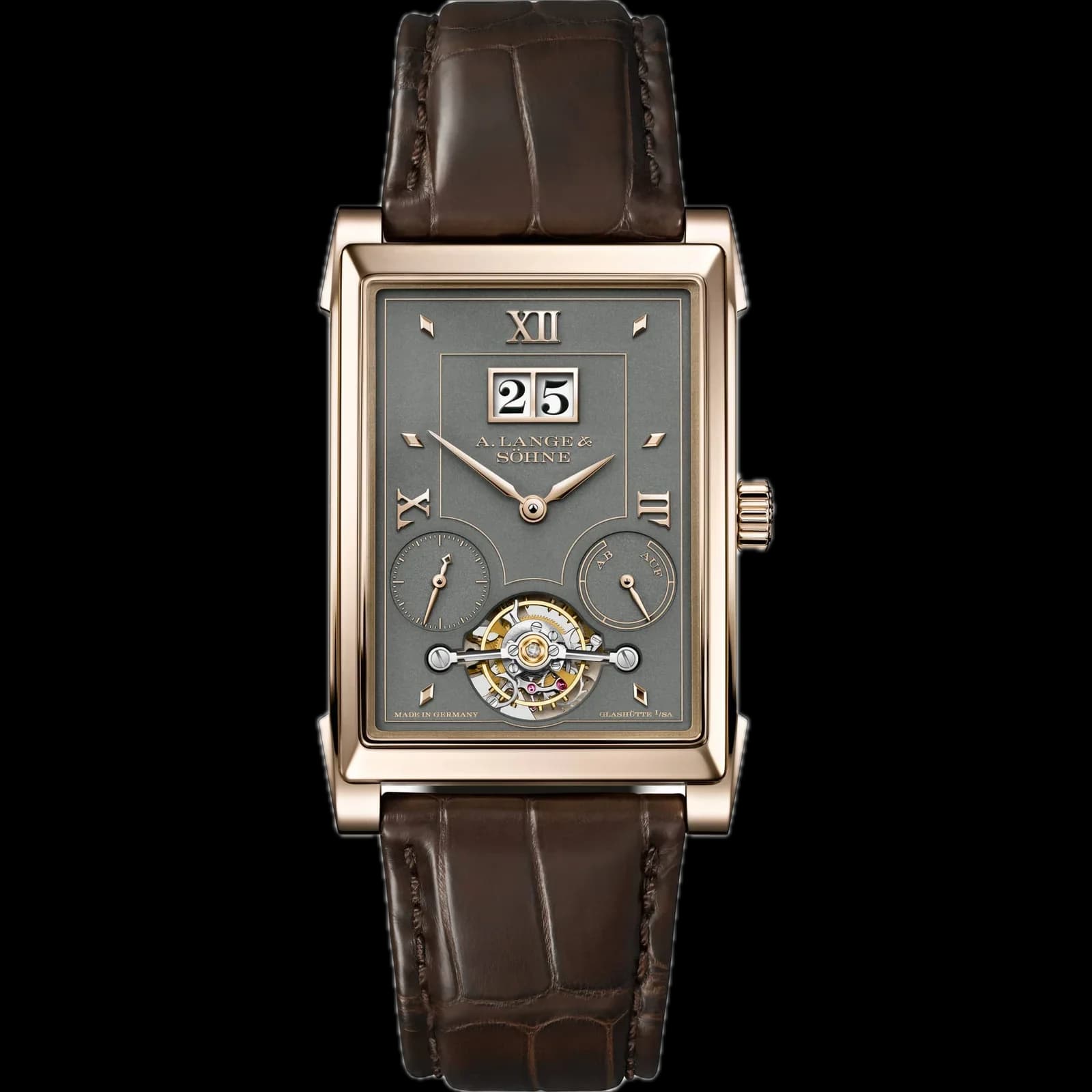
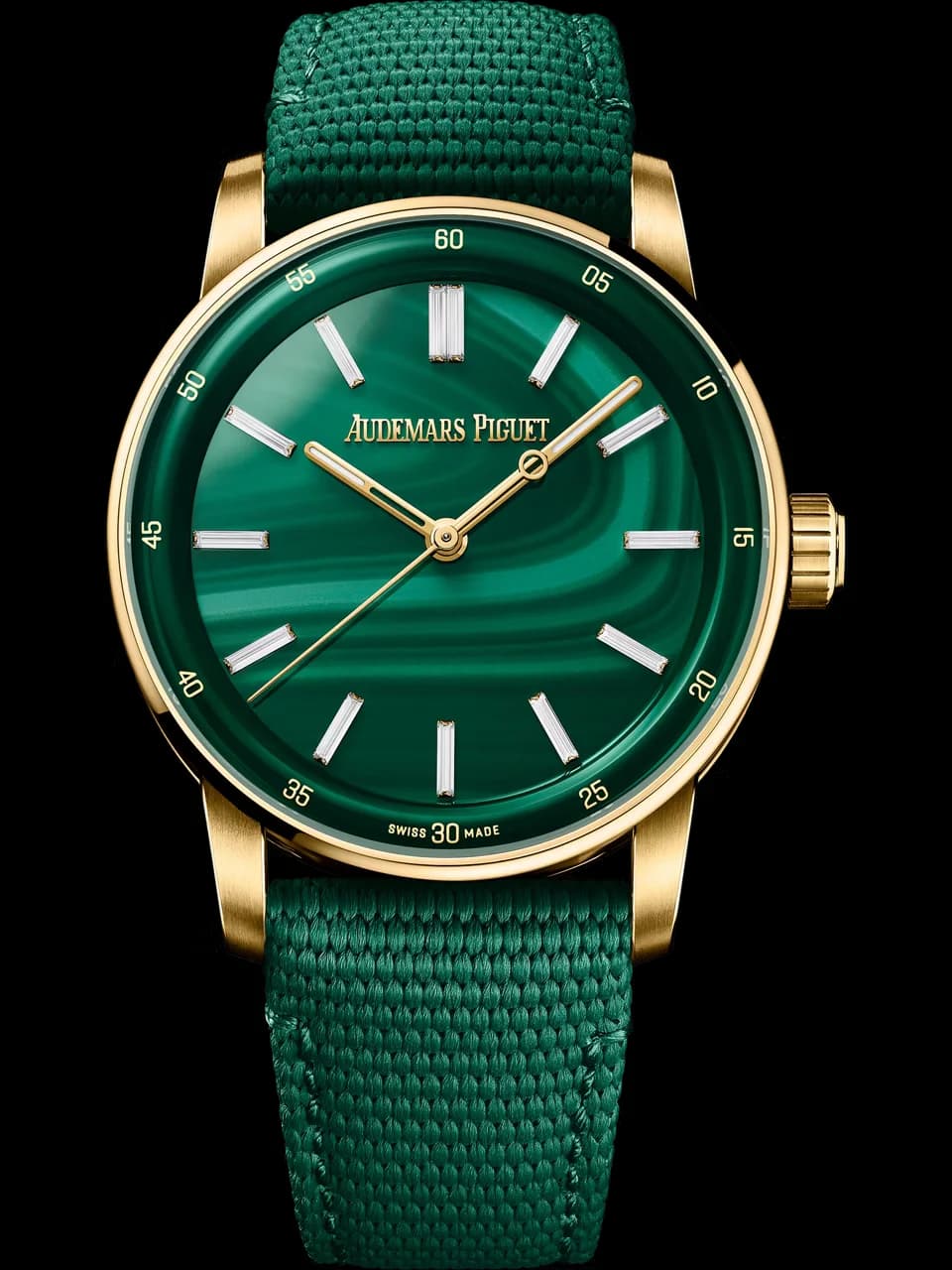
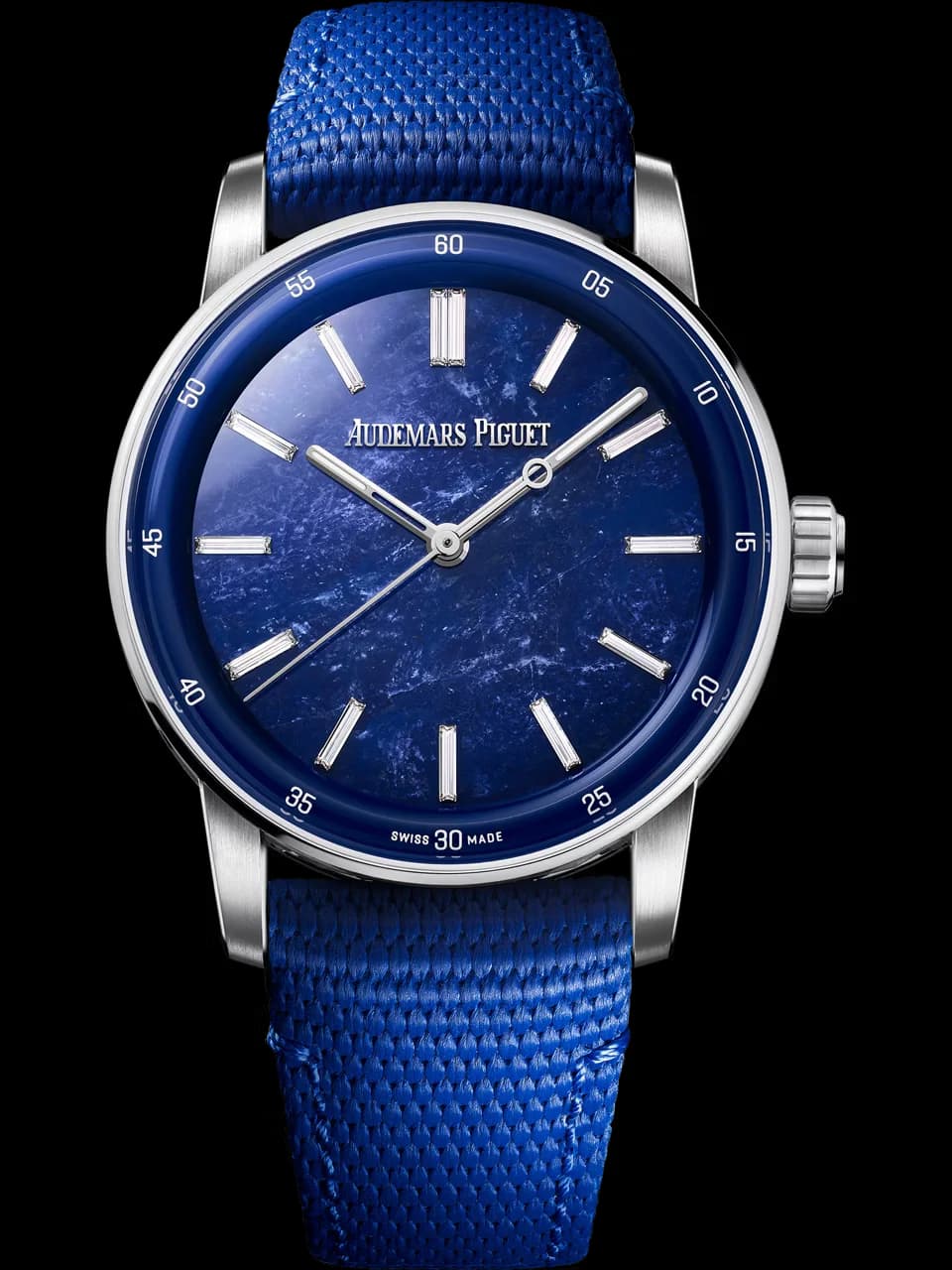
An in-house movement is a watch movement made in a brand’s own factory, with most of its parts produced by that brand. It matters because it separates a brand that makes its own movements from one that buys them in. It does not, by itself, promise better quality.
What counts as in-house?
Even brands that build their own movements buy some highly specialised parts from outside suppliers. So in-house does not mean that the brand makes every part. A firm can buy in watch crystals or hairsprings and still count as a manufacture. One writer argues that a brand using a movement exclusively is not the same as making it. The same writer argues that adding a custom rotor does not create a new movement.
Not to be confused with
An outsourced movement comes from another company. ETA is one example. It sells movements to other brands, Hamilton among them. In the Swiss industry, a firm that only assembles, times, fits hands and cases watches is called an atelier de terminage. A manufacture works differently: it builds its watches almost entirely itself. An in-house movement is not guaranteed to be of better quality than an outsourced one.
Where it comes from
The word calibre first described the layout, or architecture, of a movement. A calibre that a brand both designs and produces itself is called a manufacture calibre. The word ‘manufacture’ comes from French, and English has taken it over as a loanword. In watchmaking it also serves as a noun for the firm that makes the watches, as in the Swiss sense of a maker that builds almost everything itself.
Checked