A NATO strap is a one-piece woven nylon watch strap, first made for the military. The name is now used loosely for any strap in this style. Because the watch sits on one continuous length of nylon, it stays on the wrist even if one spring bar breaks.
Where it comes from
Britain’s Ministry of Defence developed the strap for use in wartime and introduced it in 1973. The official specification calls for a nylon ribbon 20 mm wide, in a colour named Admiralty Grey. The name ‘NATO’ does not come from the alliance directly. It comes from the NATO stock number given to the strap, as to every item of military equipment. The other common name, ‘G10 strap’, comes from the form soldiers filled out to request one.
Why are NATO straps striped?
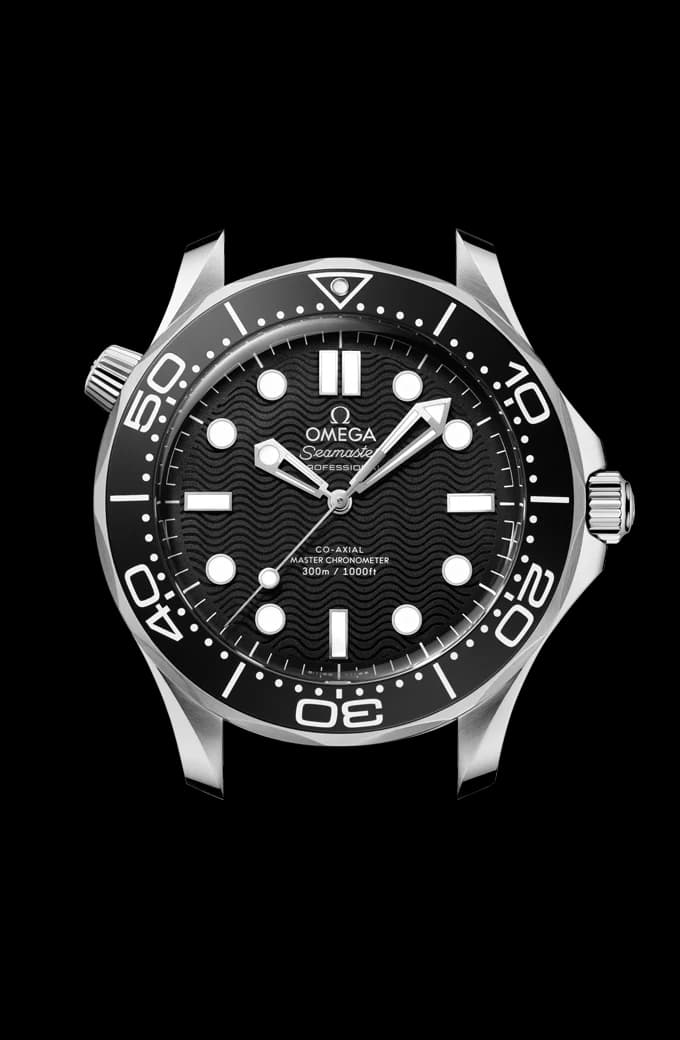
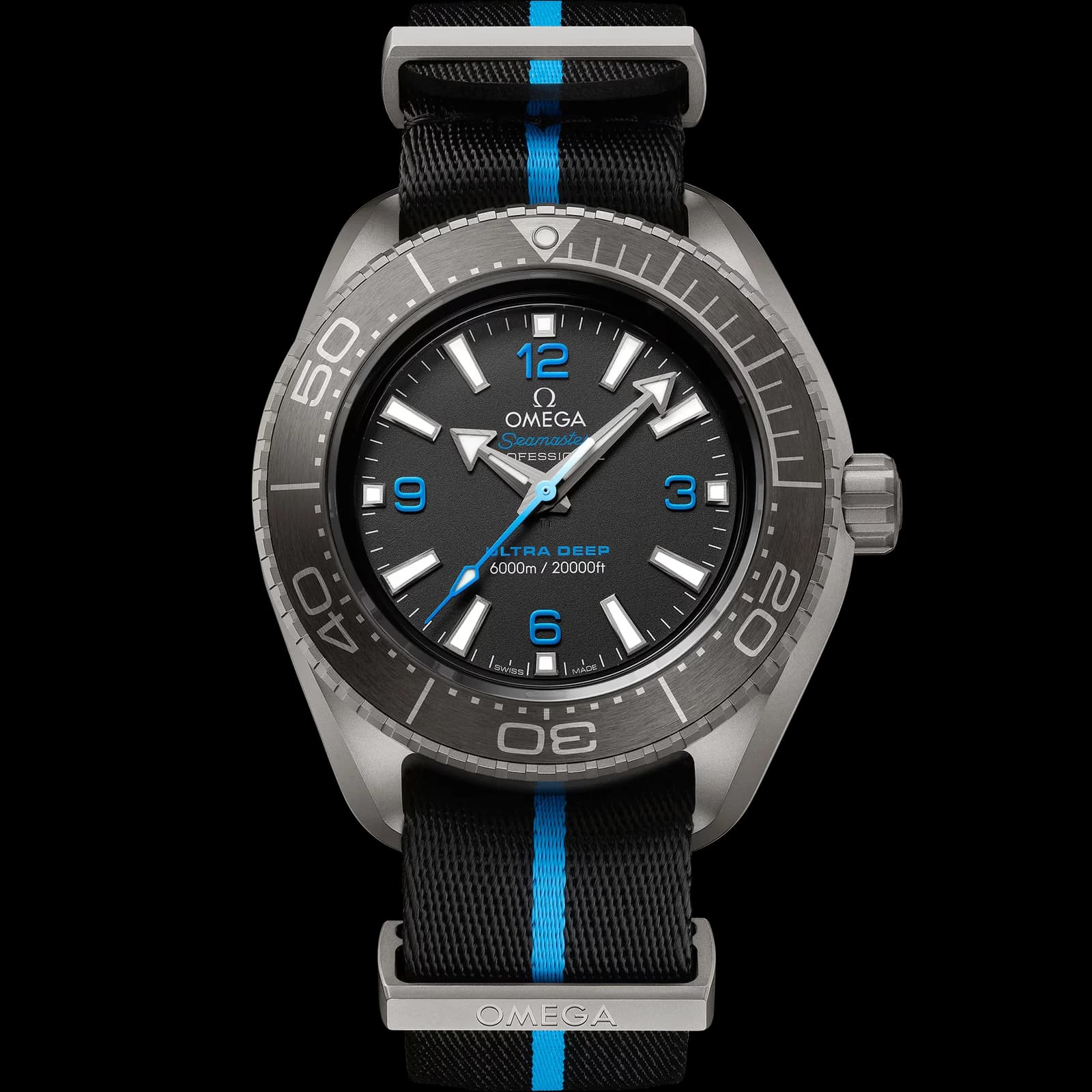
The official strap came in a single grey. After 1973, service members began making their own versions in the colours of their regimental ties or stable belts. These home-made straps led to the striped patterns now linked with the style. Today the name covers straps of this kind whether or not they have any military link. Watches from Blancpain, Omega and Doxa are among those found on them.
How do you fit a NATO strap?
The strap is a single long piece. It is threaded between the spring bars at both ends of the case, so it runs behind the back of the watch. The watch then rests on one continuous band rather than two separate halves. This is where its security comes from. If one spring bar fails, the strap still passes behind the case and holds the watch on the wrist.
How is a Zulu strap different?
The Zulu strap is a variant of the NATO. It uses a thicker fabric weave and heavier metal fittings. Unlike a NATO, a Zulu usually has no second keeper strap, so its design is a little simpler. Side by side, the Zulu is the heavier of the two. The NATO has more parts, the Zulu fewer.
Checked