A power reserve indicator is a watch complication that shows how much stored energy the watch has left. It does this by showing how far the mainspring in the barrel is wound. Apart from showing the time itself, it is counted among the most practical functions a mechanical watch can have.
How does a power reserve indicator work?
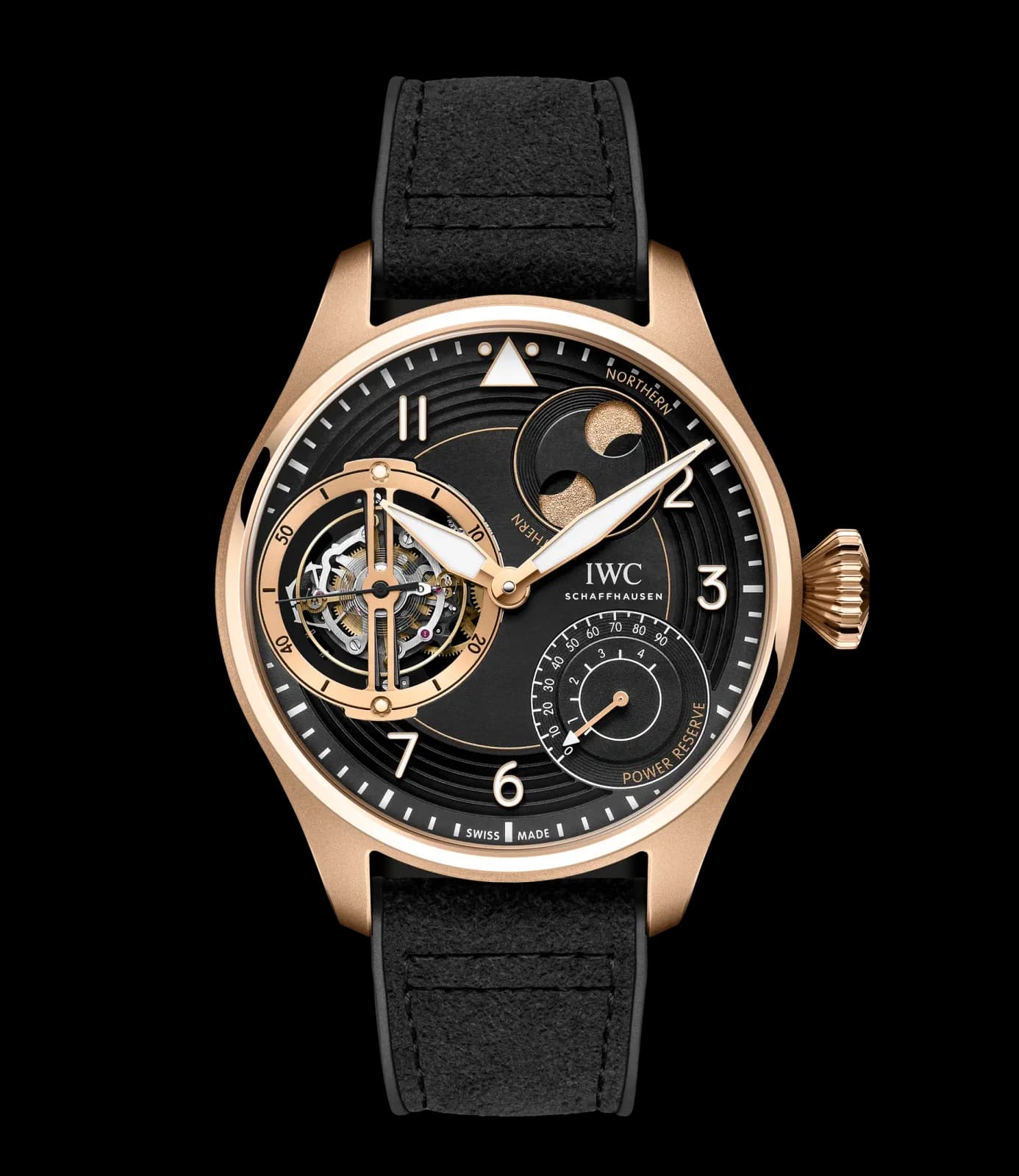
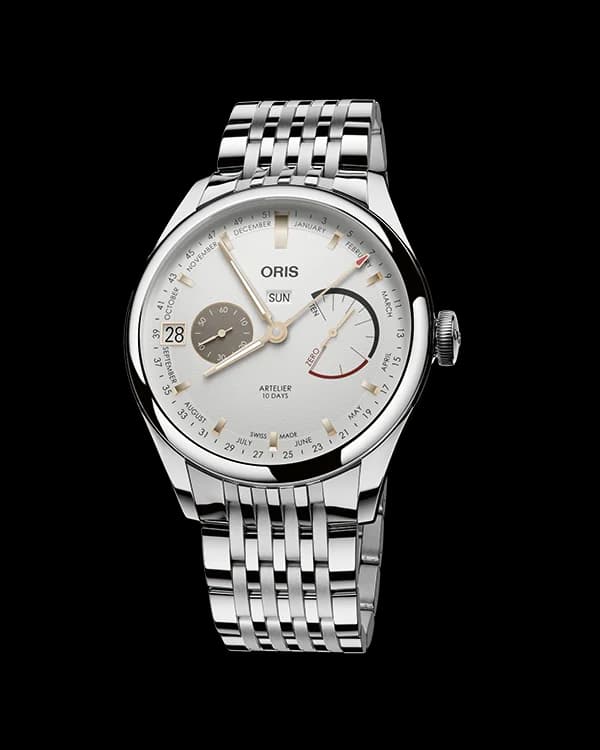
Some indicators are fitted to the barrel, the drum that holds the mainspring. They judge the energy left from the torque of the mainspring, which is the turning force it still has. Sometimes a hand shows the reading by pointing to the amount of energy left. This shows the wearer at a glance how much running time the watch has before it stops. The display often sits near 12 o’clock on the dial. It can also be placed at 6 o’clock, 9 o’clock or somewhere else.
Why is it useful on an automatic watch?
An automatic watch winds itself while it is worn. Once it comes off the wrist, it runs only on the energy already stored in the mainspring. The indicator tells you how long the watch will keep going after you take it off. You can then decide whether to wind it or wear it again before it stops. These indicators were developed at the same time as movements with long power reserves. These are movements that can run for more than two days.
Where it comes from
An early landmark is a marine chronometer that the English watchmaker Thomas Mudge built in 1774. The first pocket watch with a power reserve indicator came out in 1794. Breguet made the first wristwatch with one in 1933. It stayed a prototype and was never made in series. Jaeger-LeCoultre brought out a power reserve indicator meant for series production in 1948. Today the complication appears on watches from IWC Schaffhausen, A. Lange & Söhne and Panerai.
Checked