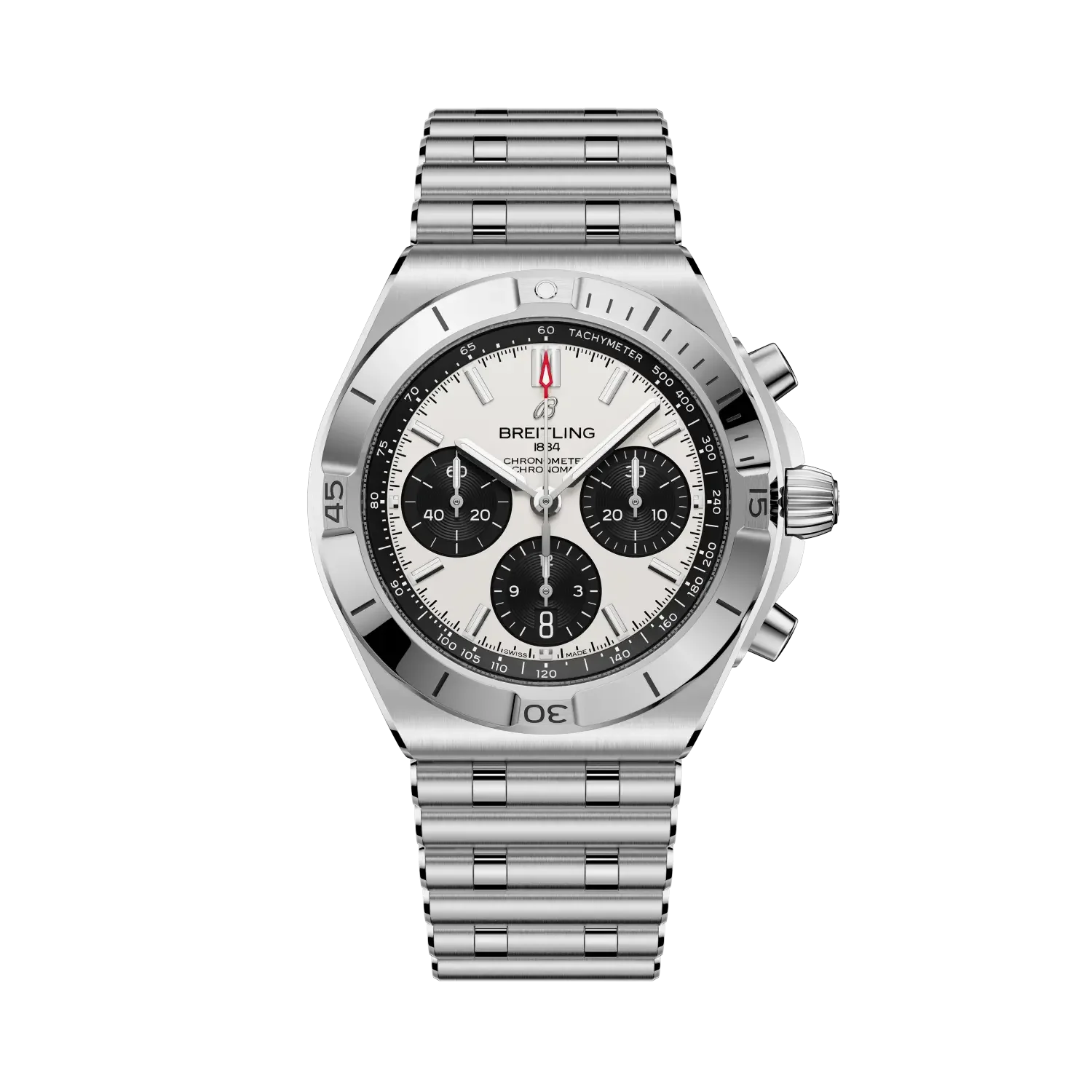
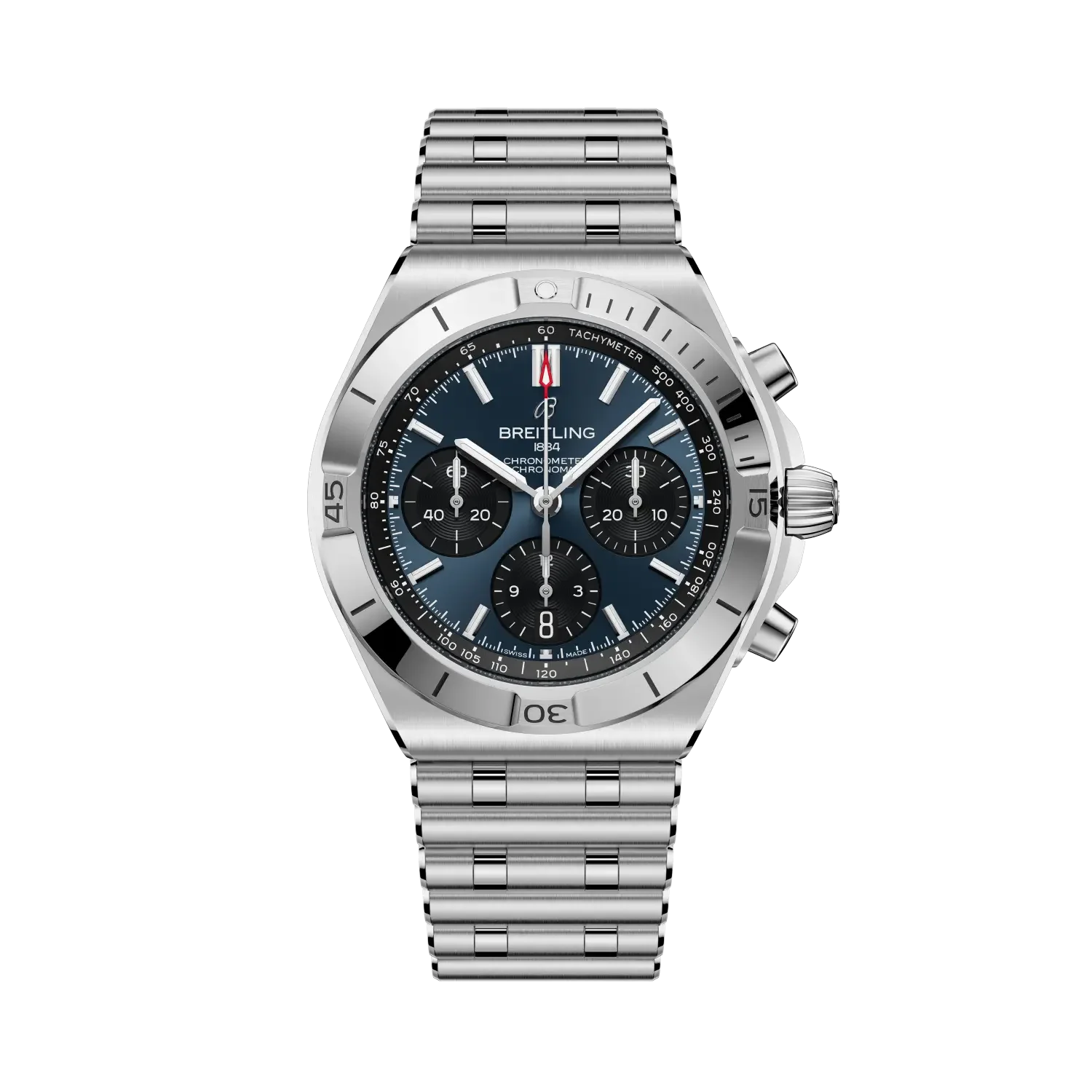
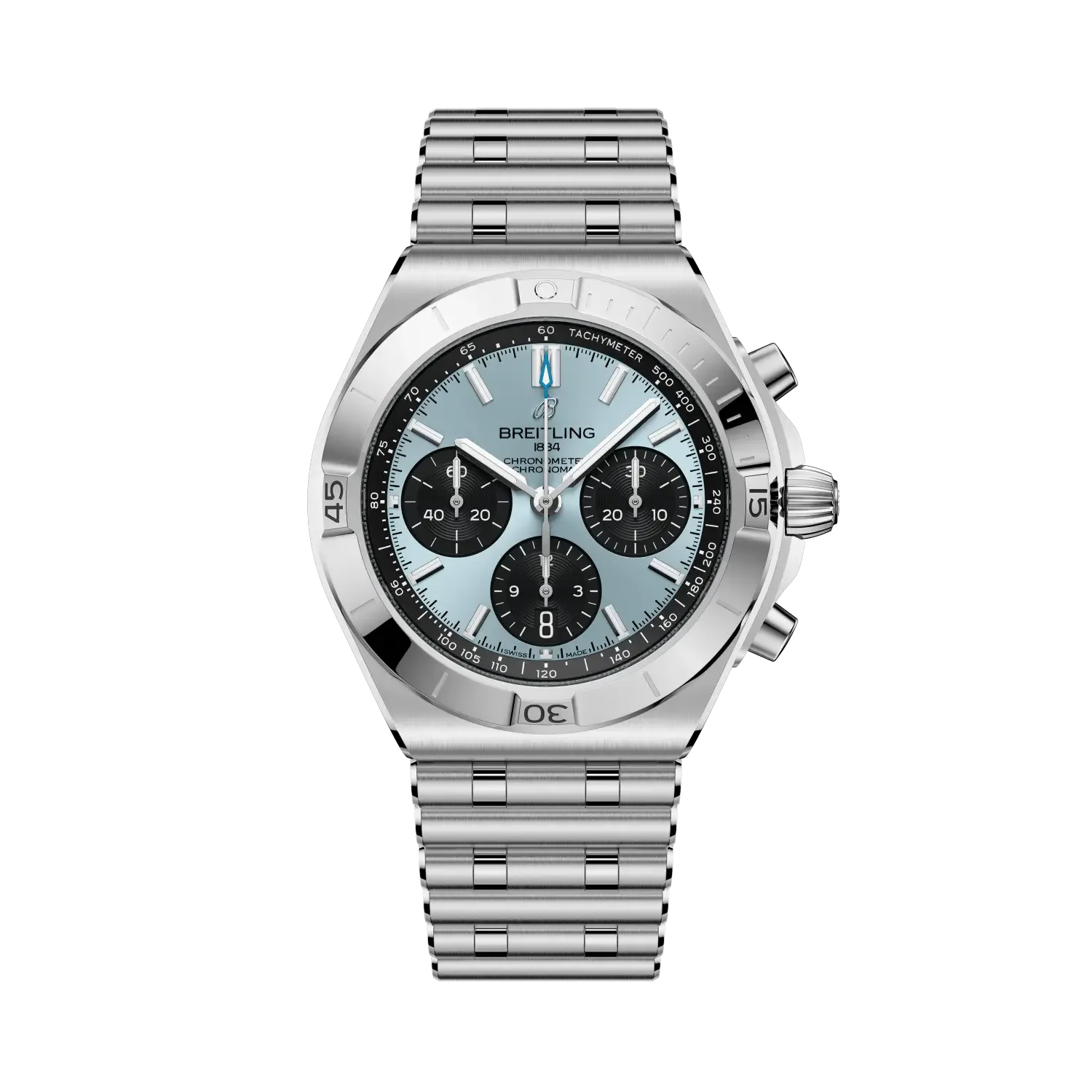
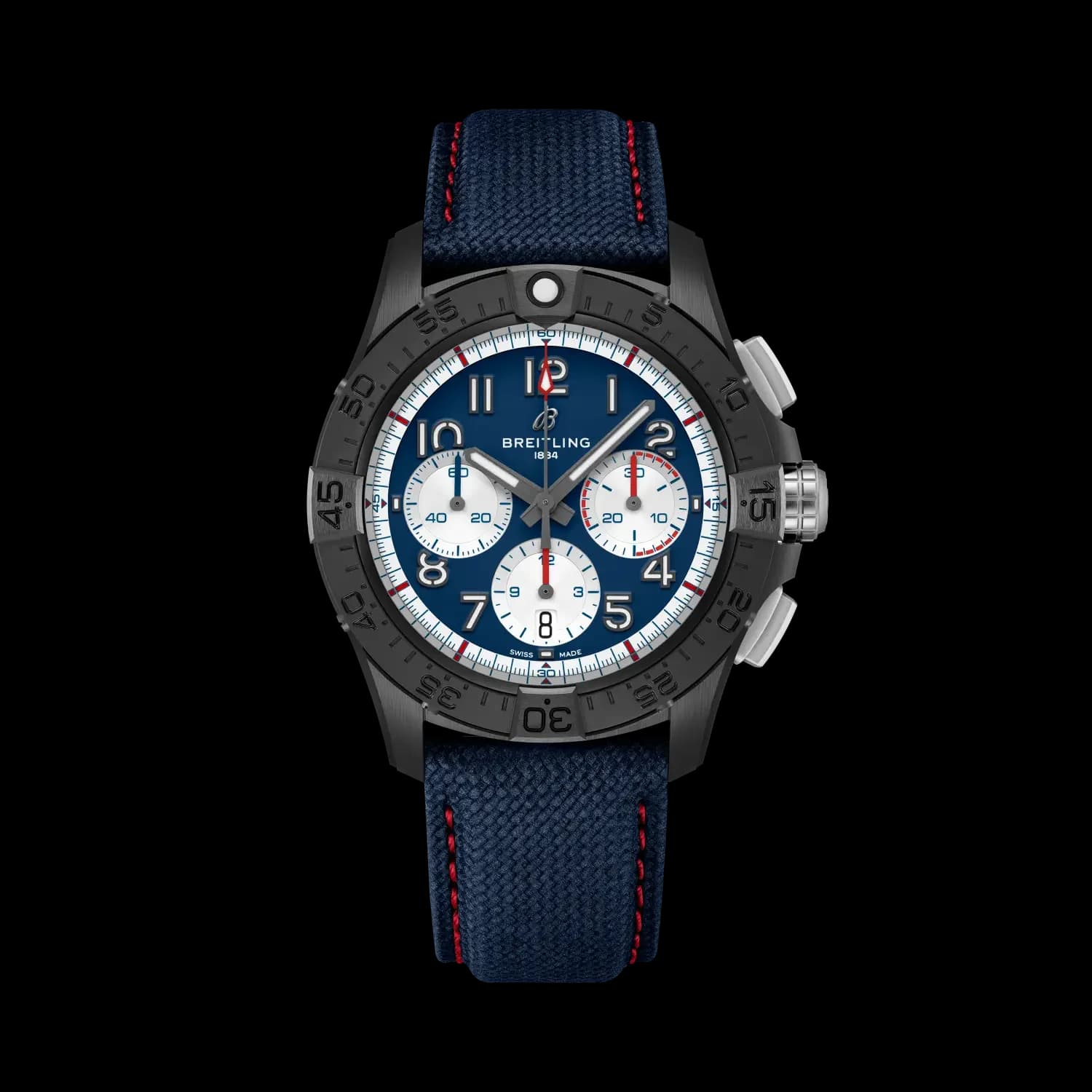
A screw-down crown is a winding crown that threads onto the watch case and seals it. The tight seal keeps water and dust away from the movement. NOMOS says it lets a watch resist higher pressure, giving water resistance of 20 atm or more.
How does a screw-down crown work?
The crown has a thread on the inside. This thread mates with a threaded tube that sticks out from the case. Turning the crown screws it down onto the tube. In the early design by Perregaux and Perret, the seal came from the bottom of the crown pressing a gasket against the case. Rolex’s patent CH 120848 made a key improvement: a dog clutch between the stem and the crown. NOMOS fits a screwed-down crown to its sports models. The firm says this gives the movement especially dependable protection.
How do you set a watch with a screw-down crown?
First, unscrew the crown. Only then can it be pulled out to the setting positions. Once the watch is set, push the crown back in. Then screw it down again. This restores the seal. The thread takes wear over time. Early on, the crown was used for daily winding and was also relied on for the seal. The threads wore out quickly as a result. Rolex later added Twinlock in the 1950s and Triplock in the 1960s.
Where it comes from
An earlier approach was used on explorers’ watches. A separate cap enclosed the crown and stem and screwed onto the case. In 1925, Paul Perregaux and Georges Perret of La Chaux-de-Fonds patented a system in which the winding crown screwed into a threaded tube on the case. Their design had practical flaws. Hans Wilsdorf of Rolex could not put it into production as it was. On 18 October 1926 he filed a patent for his own working screw-down crown. Rolex launched the Oyster in 1926. Its screw-down crown helped seal the case hermetically.
Checked