A snap-on caseback is a watch back that is pushed onto the case and held in place by friction, not screwed down. It comes off more easily than a screw-down back. The trade-off is water resistance: it relies on pressure for its seal and gives the lowest protection of the common caseback types.
How do you spot a snap-on caseback?
The outer face of a snap-on back is plain. It has no slots or notches for a wrench to grip. To find out how it opens, look at the edge. Many snap-on backs have a small notch or tab at the rim. This gives a tool somewhere to sit, so the back can be levered away from the case. No unscrewing is involved at any point.
How water-resistant is a snap-on caseback?
A snap-on back seals by pressure alone. How well it keeps water out depends largely on how it is made. Some older snap backs fit metal to metal, with no gasket between back and case. These offer no water resistance at all. A well-made modern snap-on back with a correctly fitted gasket does better. It can be rated to about 30 to 50 metres. That is enough for rain and splashes.
Where it comes from
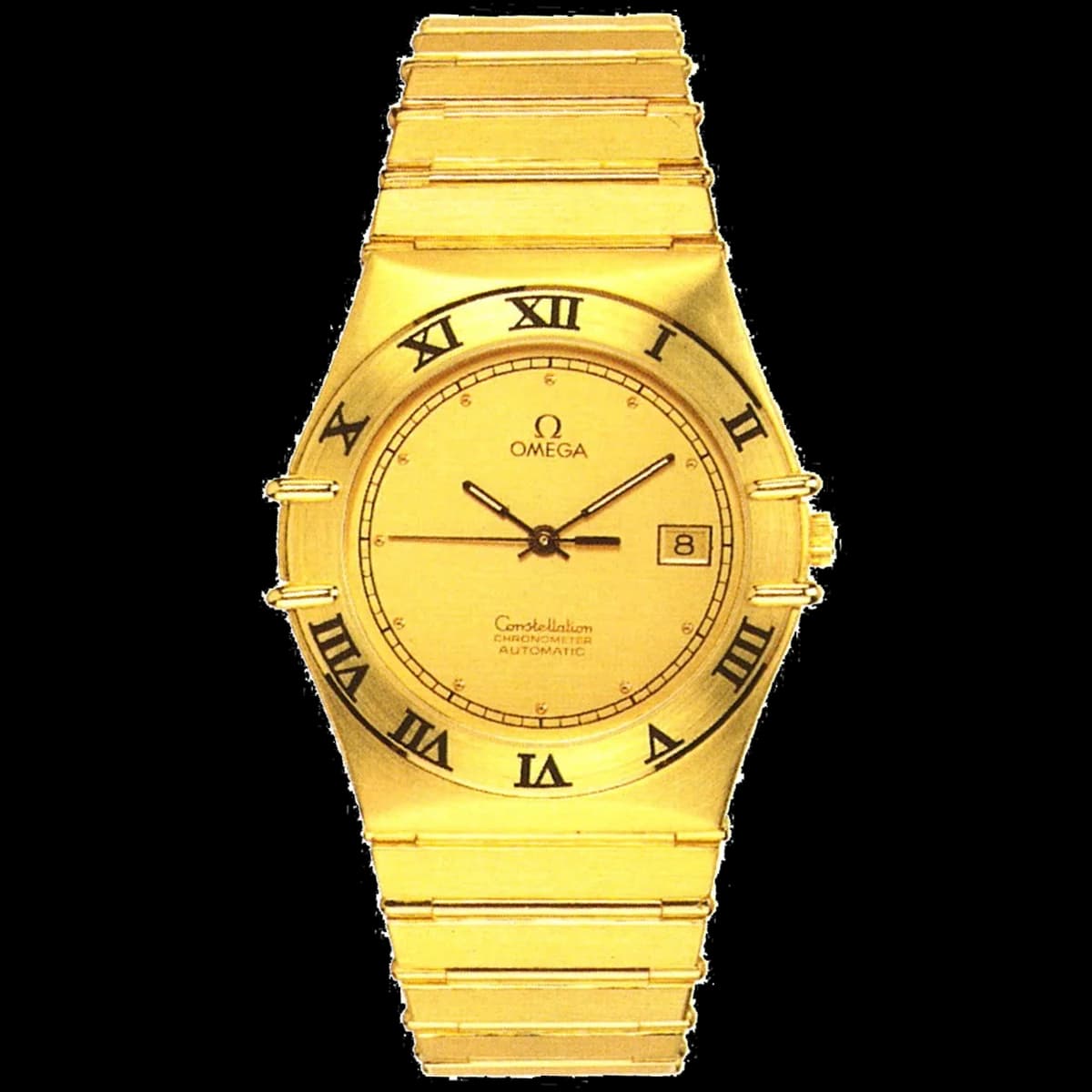
Pressure-fitted snap-on backs were among the earliest semi-permanent caseback designs. Their main job was to keep dust away from the movement. Before waterproof cases arrived, the snap-on back was the standard choice for early wristwatches. Pocket watches used the idea too. There, a snap case differs from a hinged case because it has no hinge. Instead, it has a lip near the pendant where the back is opened. The design is still in use, on watches from Omega, Oris and Breitling.
Checked