Super-LumiNova is a trade name for a glow-in-the-dark pigment made from strontium aluminate. It is neither radioactive nor toxic. Like a battery for light, it soaks up light and then glows in the dark afterwards. Watchmakers took it up as a replacement for tritium.
How does Super-LumiNova work?
Ultraviolet rays in ordinary light excite electrons in the pigment’s crystals. Once it is dark, those electrons give off their energy as a glow. The base material is strontium aluminate. It becomes a light-storing phosphor when europium and dysprosium are added to it. The dysprosium creates traps that hold the excited electrons at different energy levels. This spreads out the release of energy, so the glow lasts longer. Put simply, ordinary light charges the pigment, and darkness lets it give that light back.
Where it comes from
Super-LumiNova grew out of the LumiNova pigments. Staff at the Japanese company Nemoto invented these in 1993. In 1998 Nemoto and the Swiss firm RC Tritec set up a joint company, LumiNova AG, in Switzerland, to make a Swiss version. That version is made in Appenzell and is kept for watchmaking use. Watchmakers coming out of the quartz crisis wanted something to replace tritium, and the new pigment met that need. A later patented grade, Grade X1, glows twice as brightly and twice as long as the original 1994 formula.
Not to be confused with
Tritium gas tube light sources are a different thing. Each tube holds radioactive tritium, which has a half-life of a little over 12.3 years. Super-LumiNova holds no radioactive material at all. It does not make light of its own. It has to be charged by light first, and only then does it give that light back as a glow in the dark.
What colours does Super-LumiNova come in?
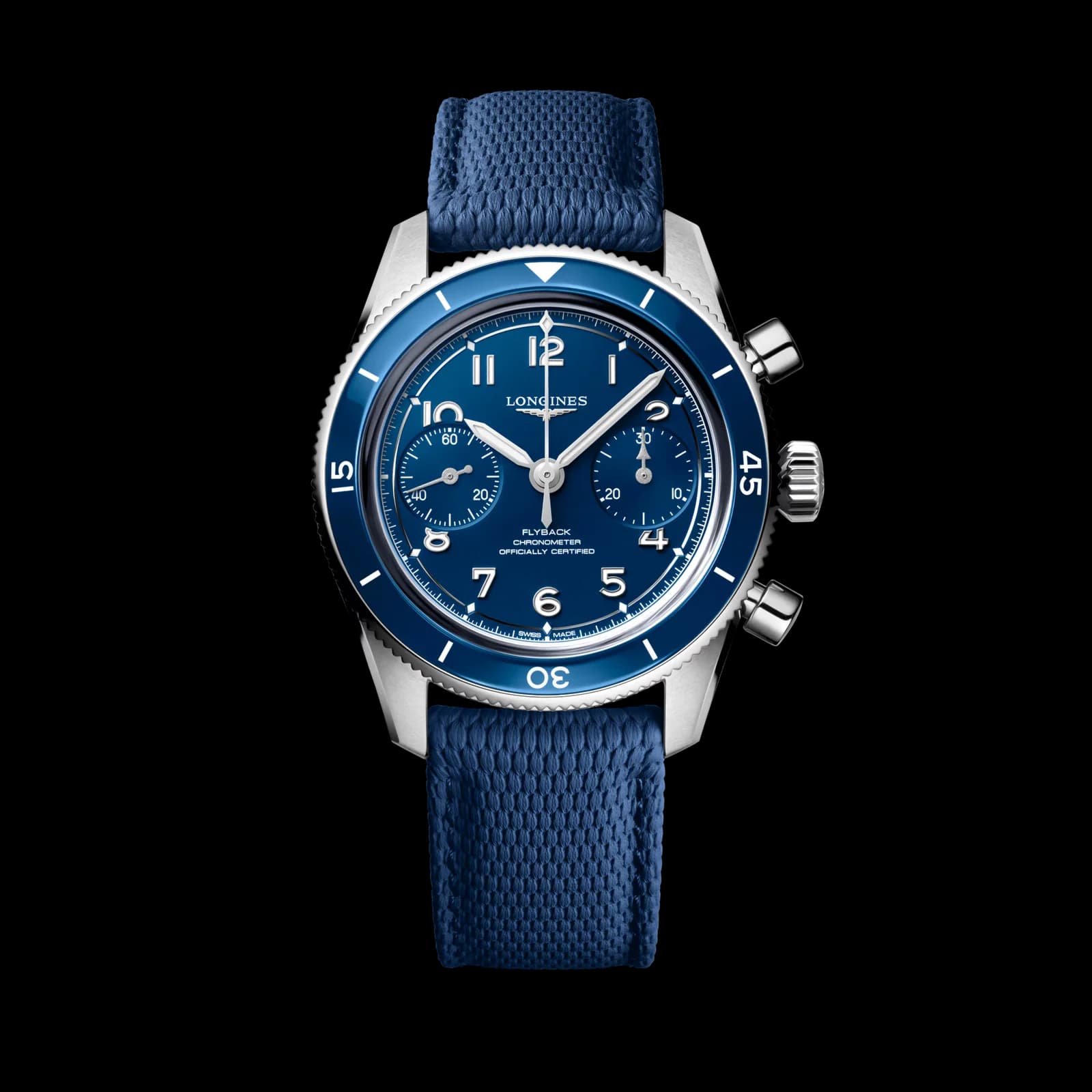
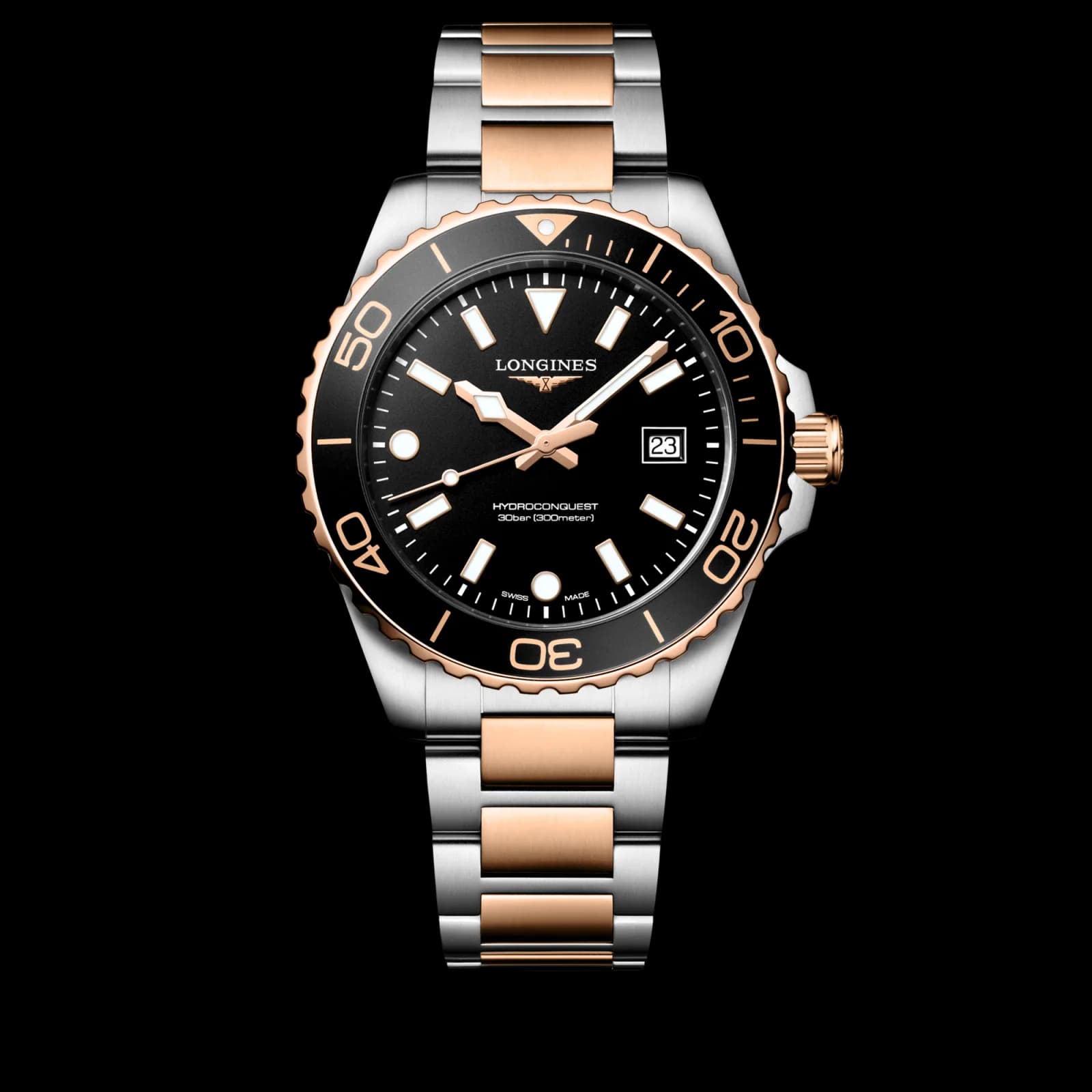
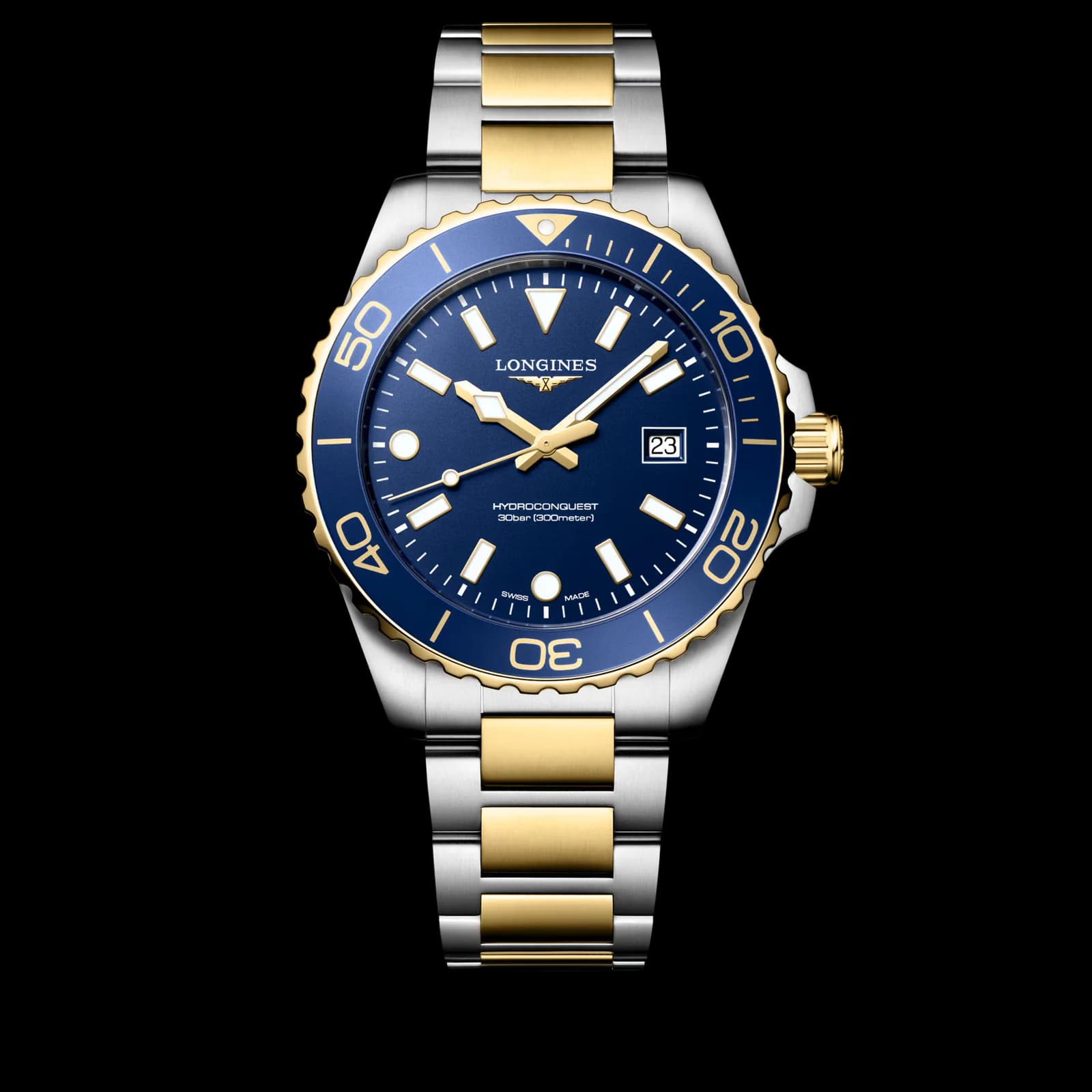
The pigment can be tinted to almost any Pantone colour. Red and black are the exceptions, as they do not work as well. Very little of the pigment is needed. One gram is enough for somewhere between 100 and 500 watch dials. Watches from Longines, Baume & Mercier and NOMOS Glashütte use it.
Checked