Sword hands are watch hands shaped like a sword blade. They are wide where they meet the centre and narrow towards a point. The broad shape leaves more room for luminous paint, so the hands are easier to read in low light. That makes them especially useful on dive watches.
What do sword hands look like?
A sword hand is a long pentagon. It is widest where it meets the centre of the dial and narrows towards its point. Many have a raised ridge running down the middle. The base does not stand apart as a separate flat edge. Instead, it merges into the hand or the central hub. The tips vary. Some sword hands end in a sharp point, while others are more rounded.
Where it comes from
Sword hands became a recognised style in the early 1900s, mostly on military watches. The name comes from the shape, which looks like a sword blade. In French they are called glaive hands. Because the form is broad, there is a larger area to fill with luminous paint. That extra paint is what helps the hands show up when light is poor, and it is the reason divers value them.
Where are sword hands used?
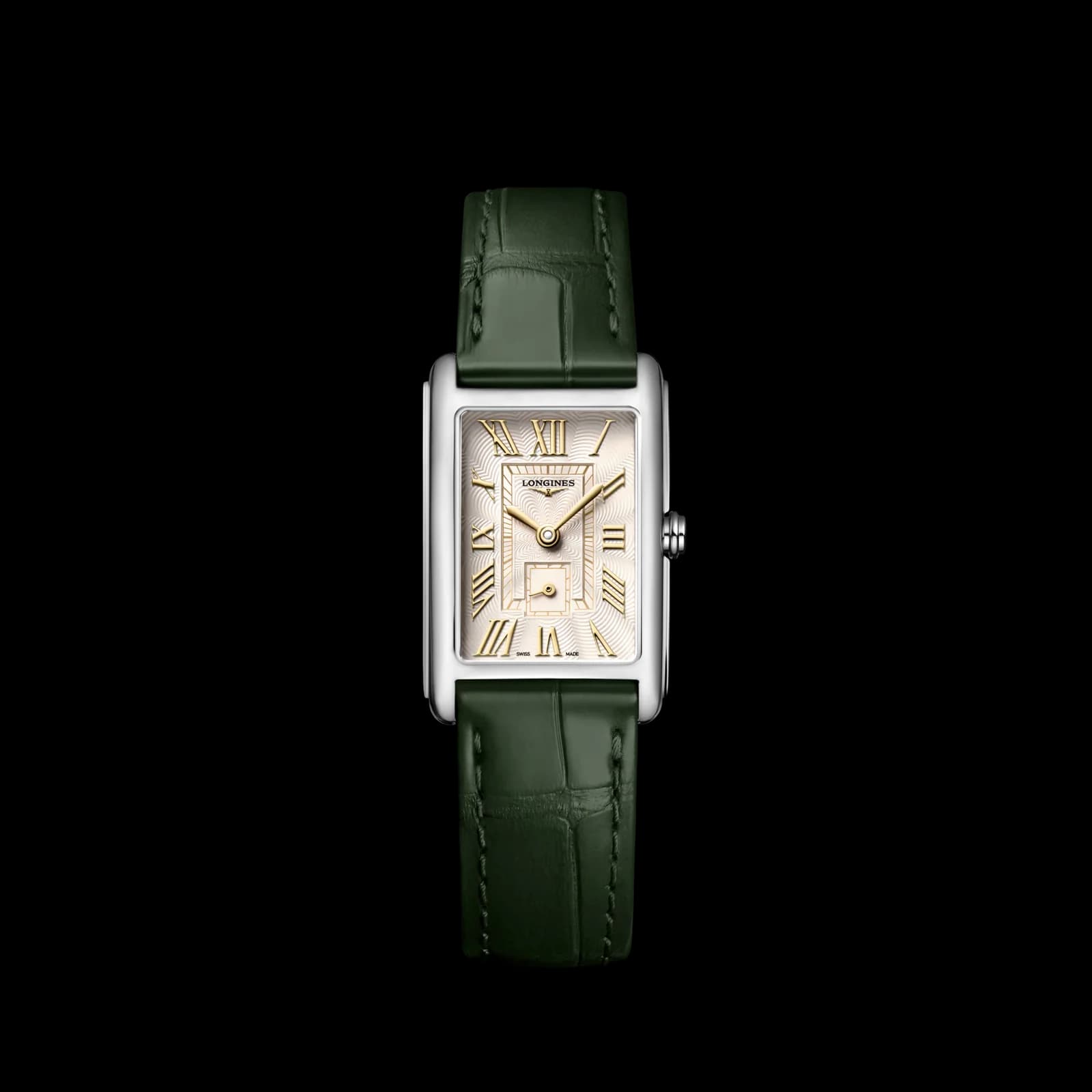
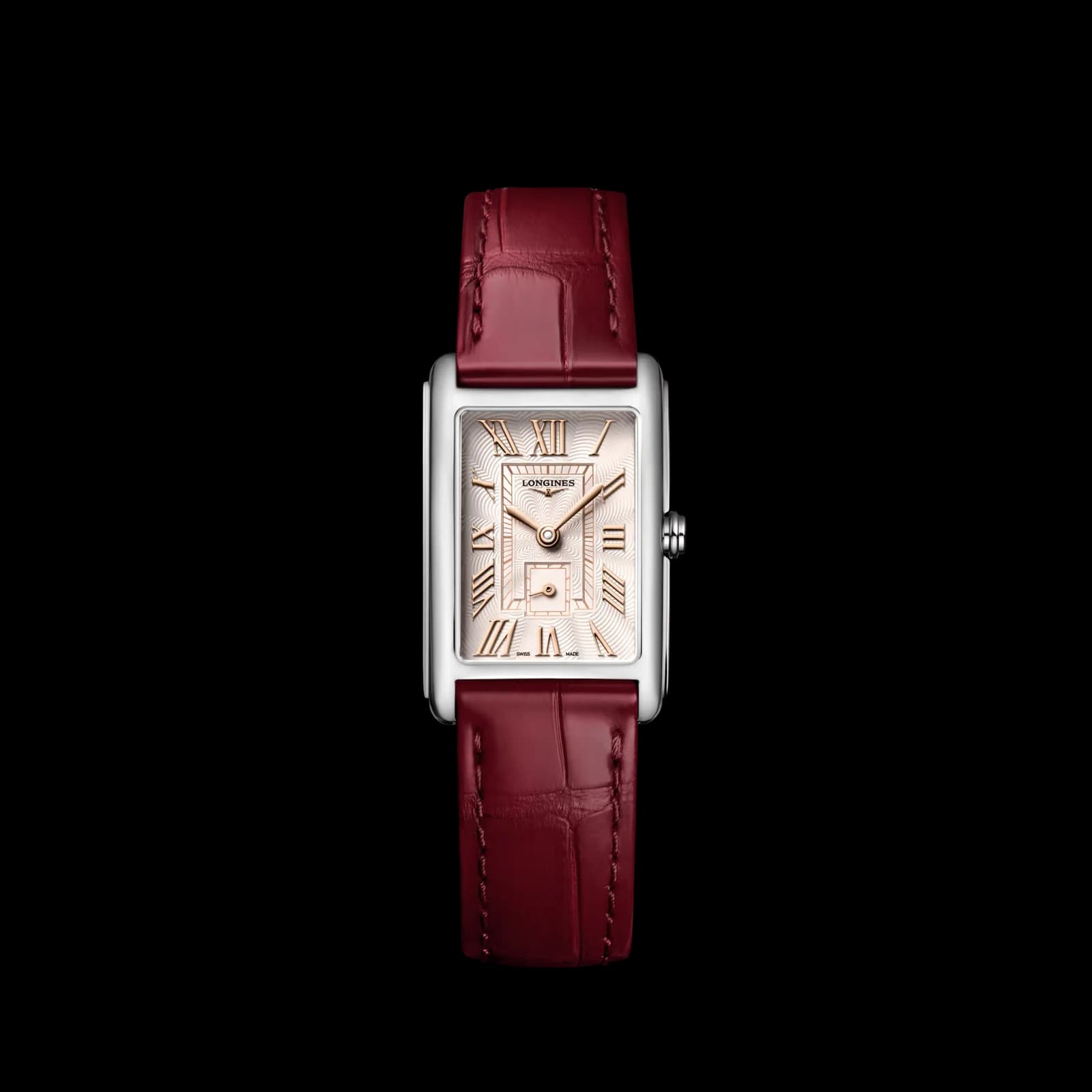
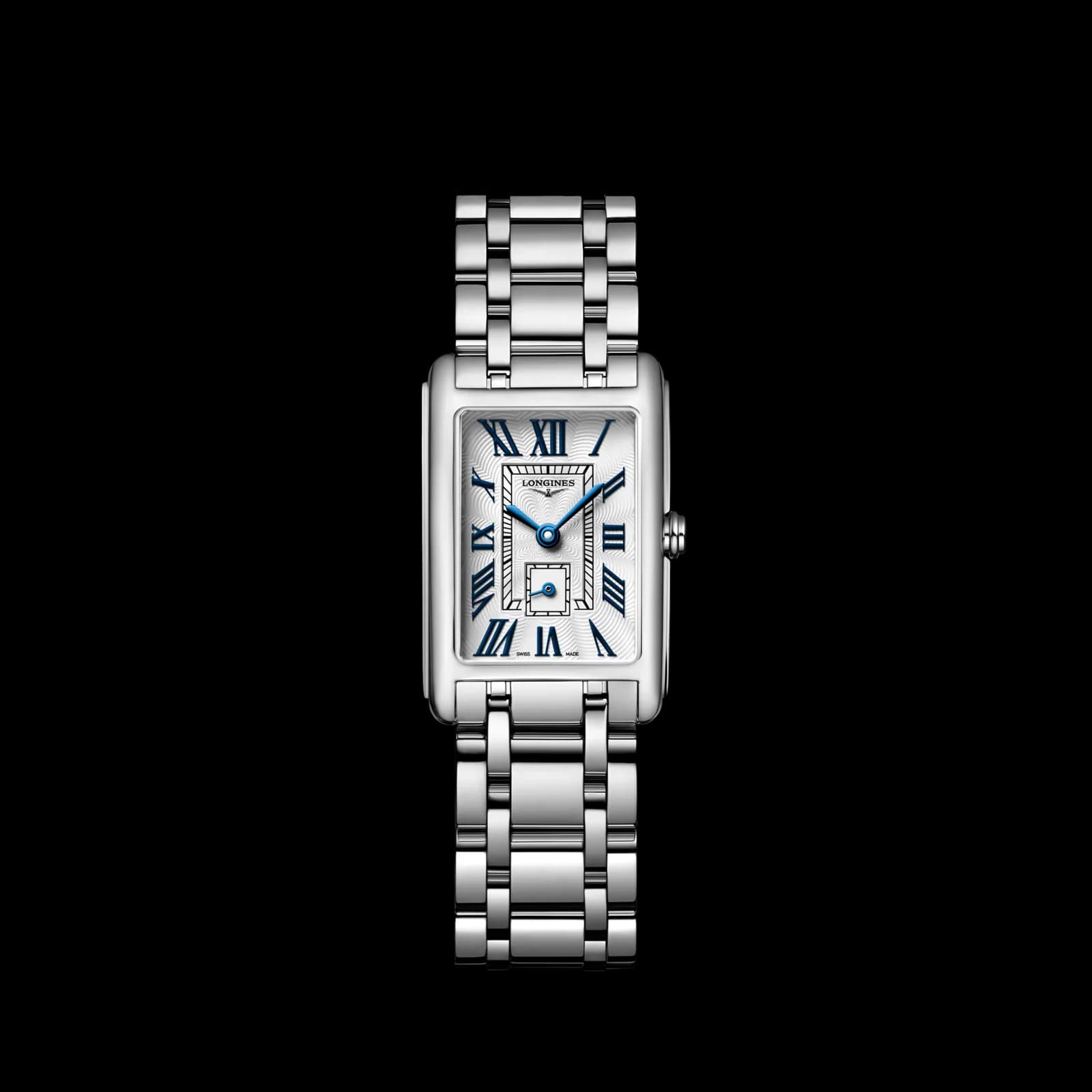
Sword hands are not kept for dive watches alone. They also appear on dress watches, where they make a classic design look bolder. Rolex, Omega and Patek Philippe have all used sword hands on some of their models. Longines, Cartier and Oris watches have them too. The style therefore turns up on military, diving and dress watches alike.
Not to be confused with
Plongeur hands are a related diver’s style associated with Omega. Their minute hand is a wide pentagon that resembles a sword, but it has a flat, clearly defined base. A sword hand has no such base, because its shape merges into the hand or hub. Plongeur sets also pair that bold, sword-shaped minute hand with a straight hour hand, so the two hands look quite different from each other.
Checked