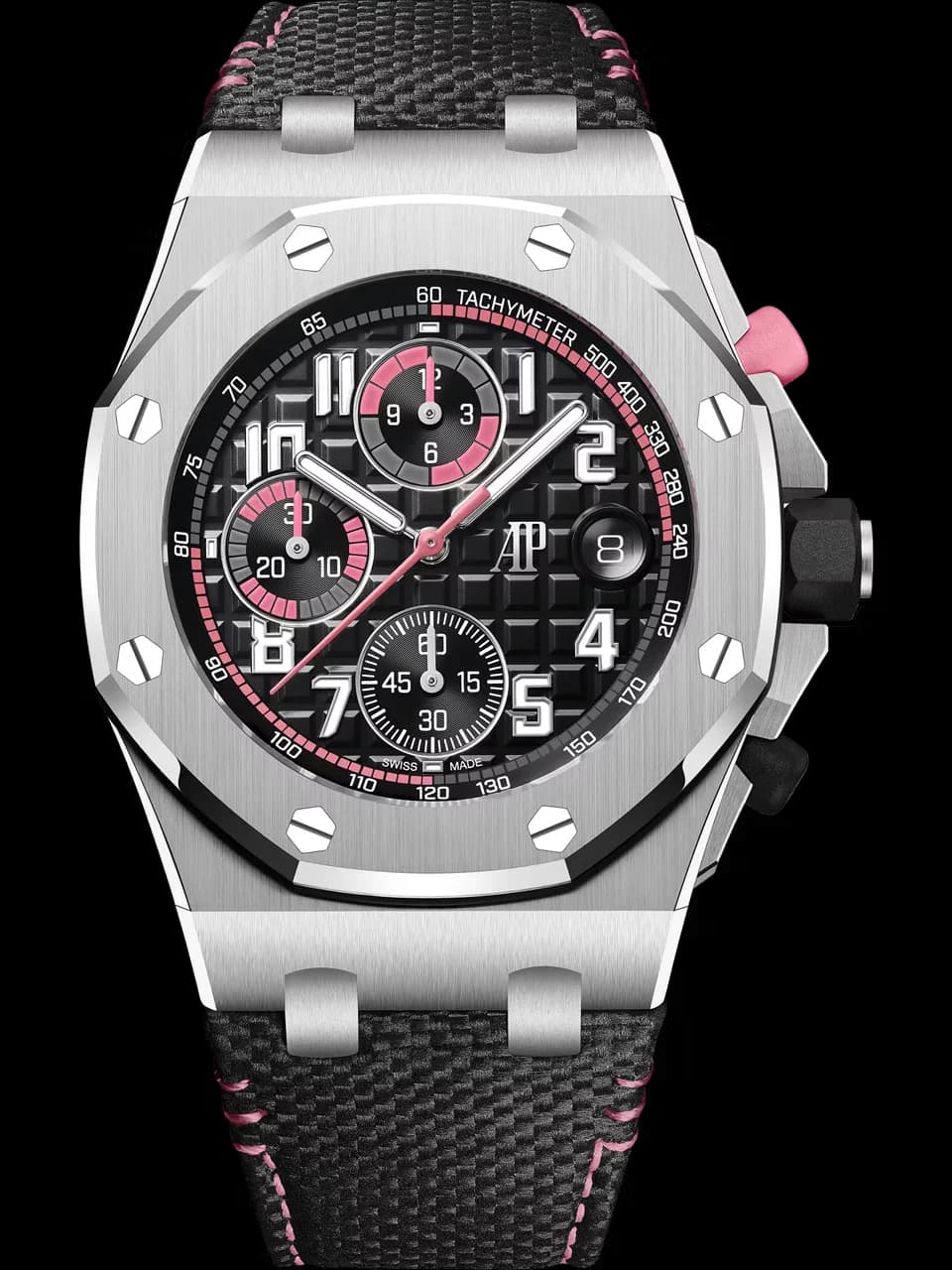
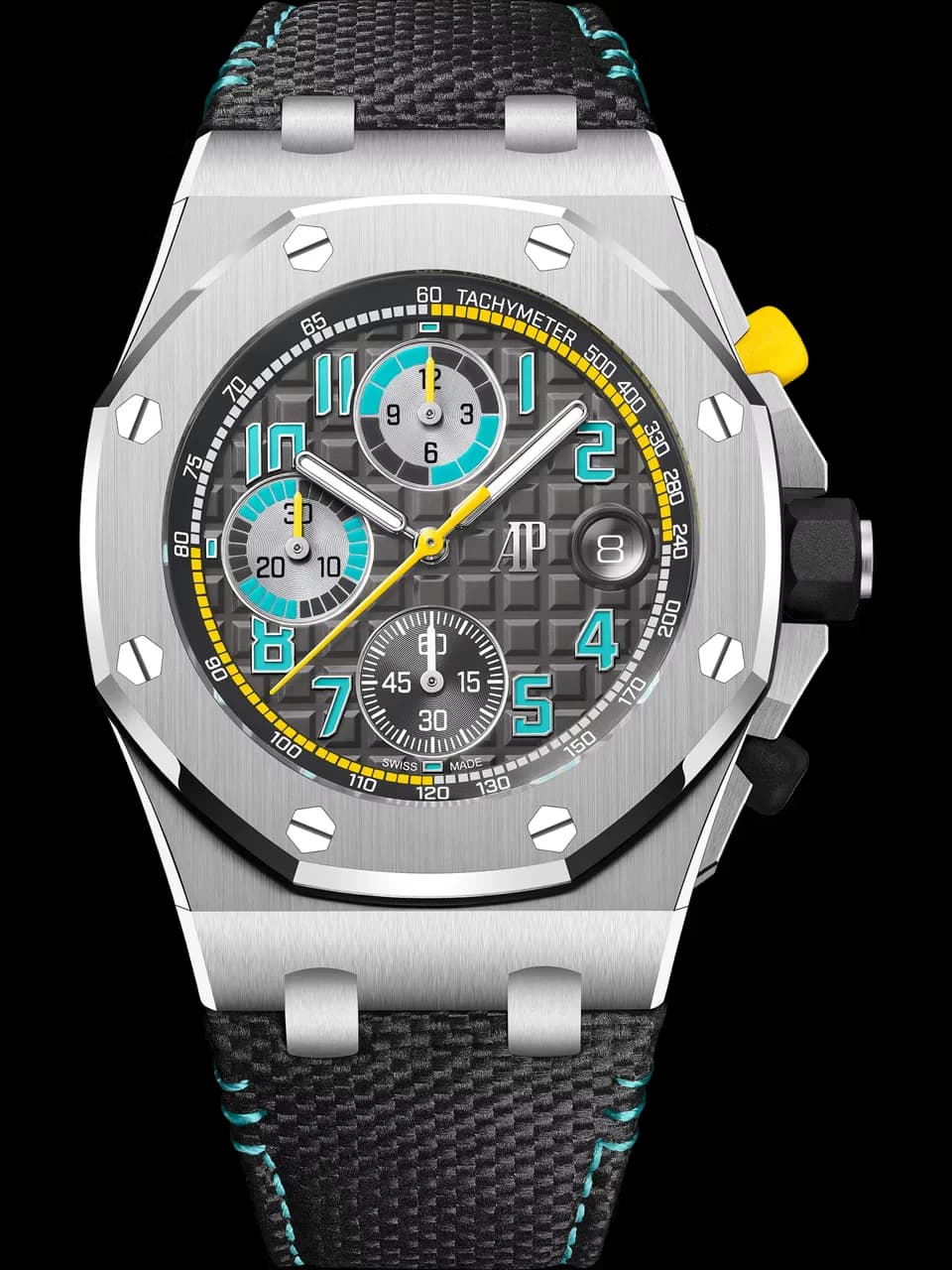
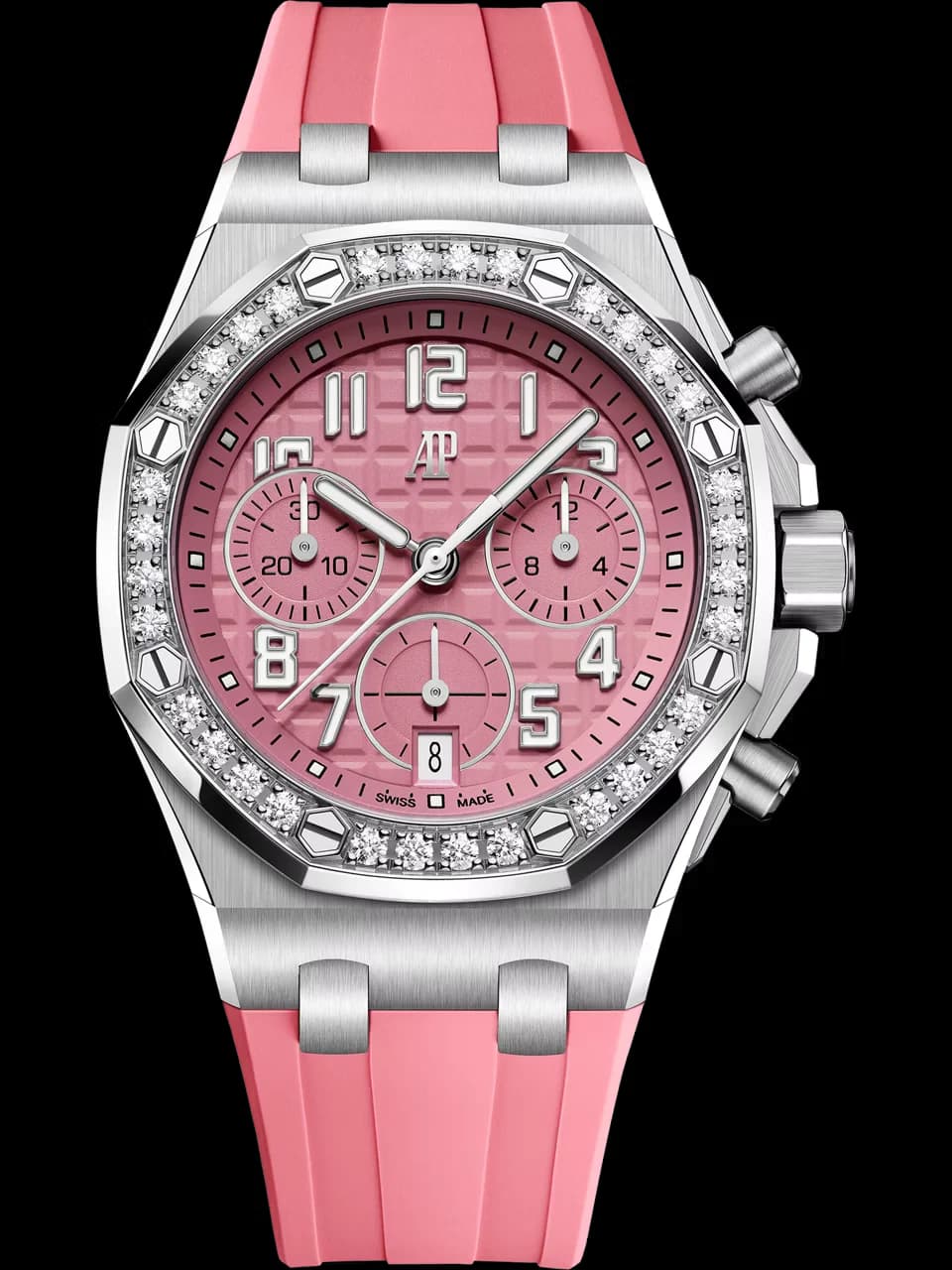
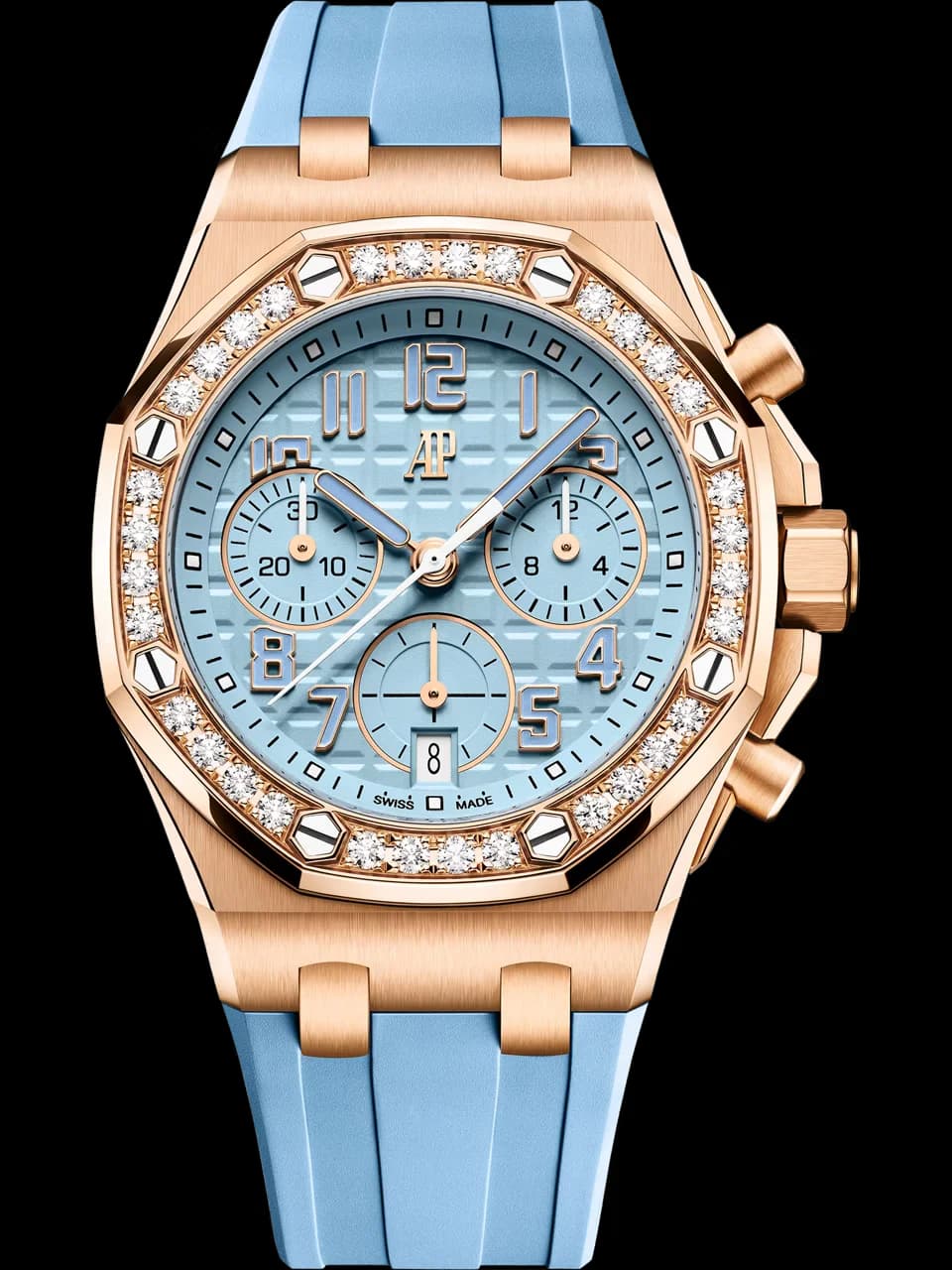
Arabic numerals are the ten digits, zero to nine, used to write numbers. On a watch they mark the hours on the dial. They are the world’s standard way of writing numbers. Designers of sport and dive watches, where easy reading comes first, often choose large Arabic numerals.
Where it comes from
Despite the name, the numerals came from India, not the Islamic world. Arab scholars refined the zero from Indian mathematics. Arabic-speaking people in Spain and North Africa brought the direct forerunners of the digits into Europe in the 10th century. The earliest Western record of the digits one to nine is the Codex Vigilanus, a manuscript from 976. In the 13th century, Fibonacci’s book Liber Abaci did much to spread them across Europe. Much of their success is put down to the decimal maths they make possible. In time they pushed Roman numerals aside.
Why do some dials use Roman numerals instead?
Once Arabic numerals had taken over everyday use, Roman numerals lived on mainly in a few special roles. Clock faces were one of them. Watch dials made in the United States carried Roman numerals for the hours almost without exception until the 1880s. Arabic numerals also had a place in wartime. The men who fought were given pocket watches and wristwatches with Arabic numerals. Today they appear on watches from IWC Schaffhausen, Hamilton and Longines.
Not to be confused with
Eastern Arabic numerals, also called Mashriqi numerals, are a different set of shapes. They were used in the Arab east. When people say Arabic numerals, they usually mean the Western digits instead, the familiar zero to nine also known as European digits. A California dial is a separate case. It mixes Arabic and Roman numerals on the same face, so it is not a dial with Arabic numerals alone.
Checked