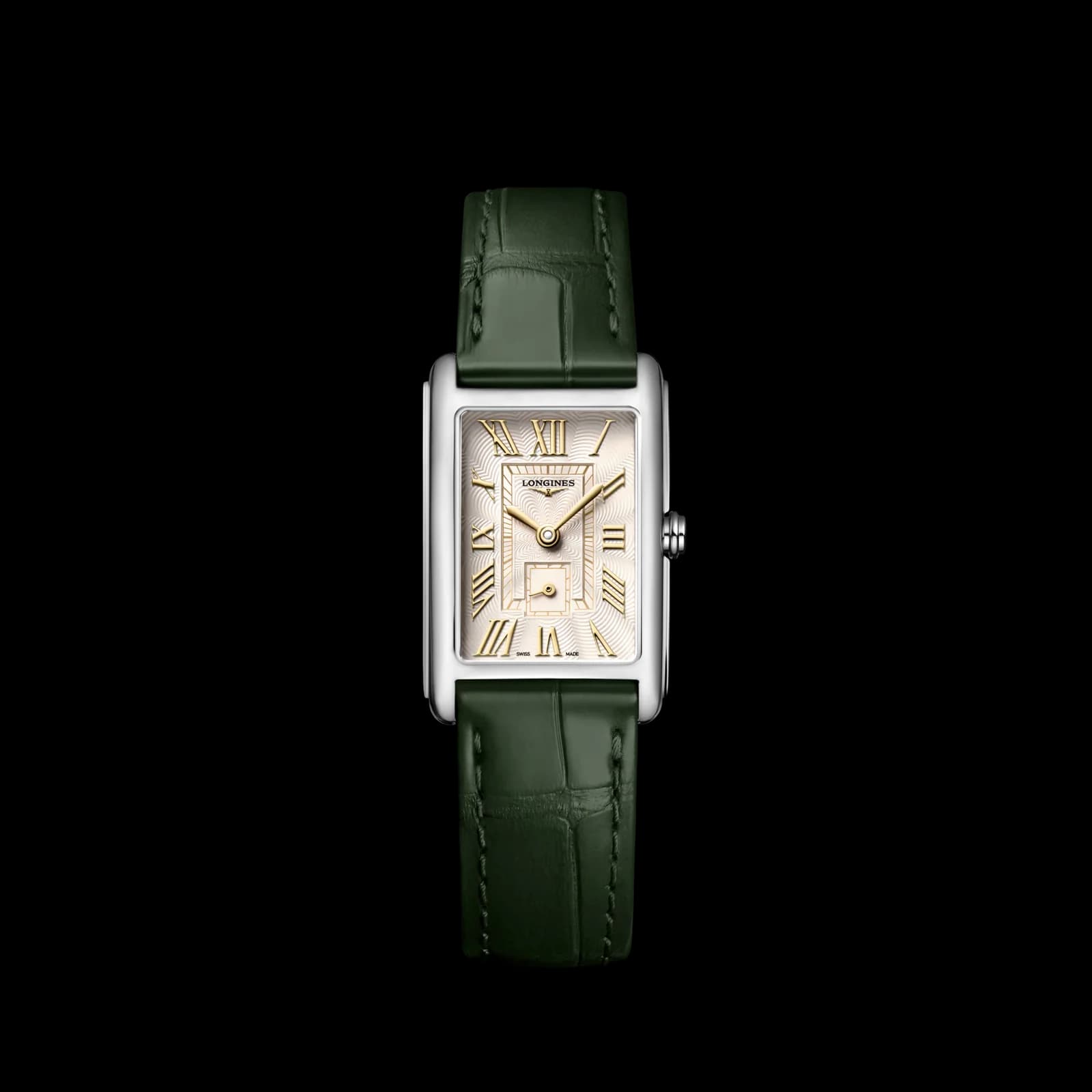
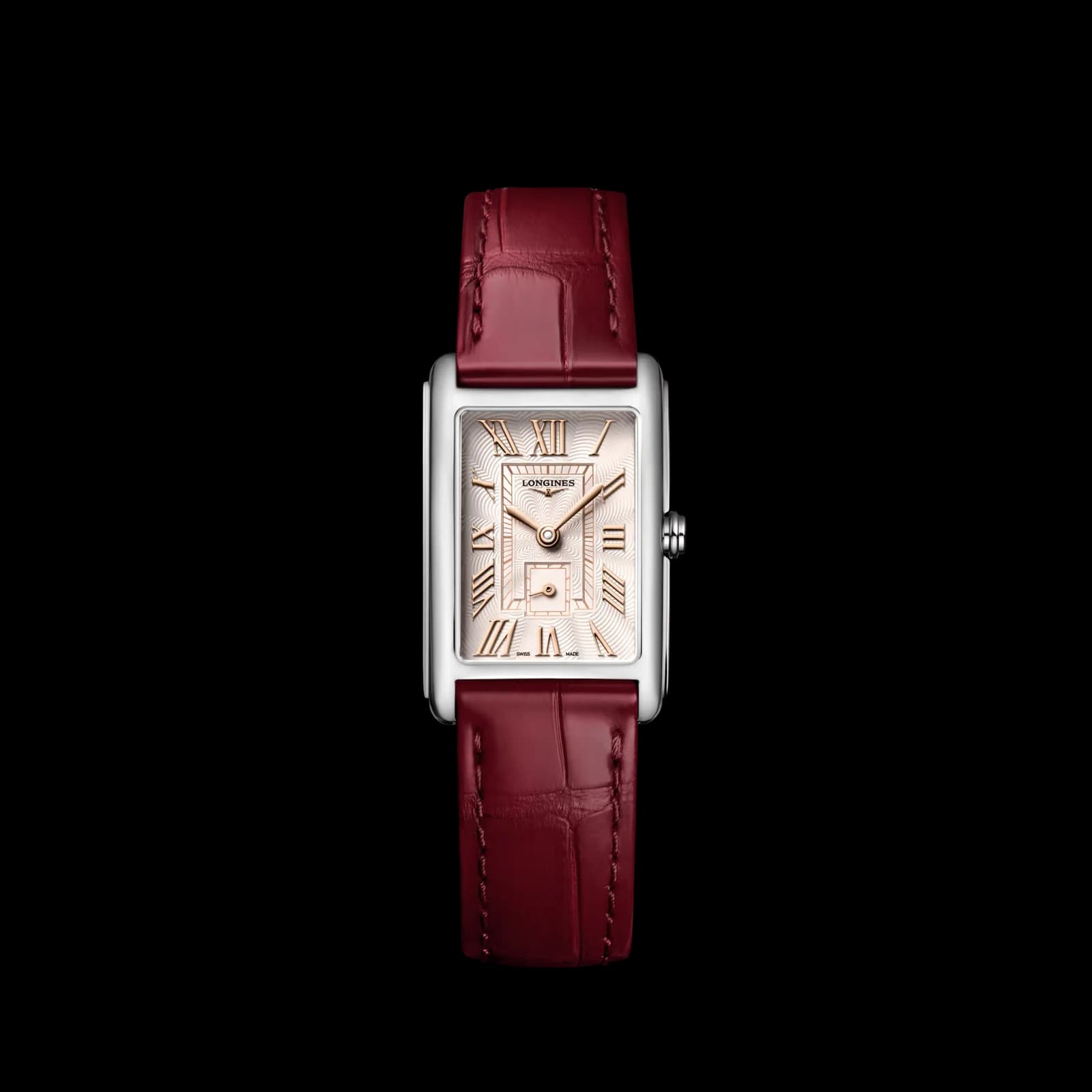
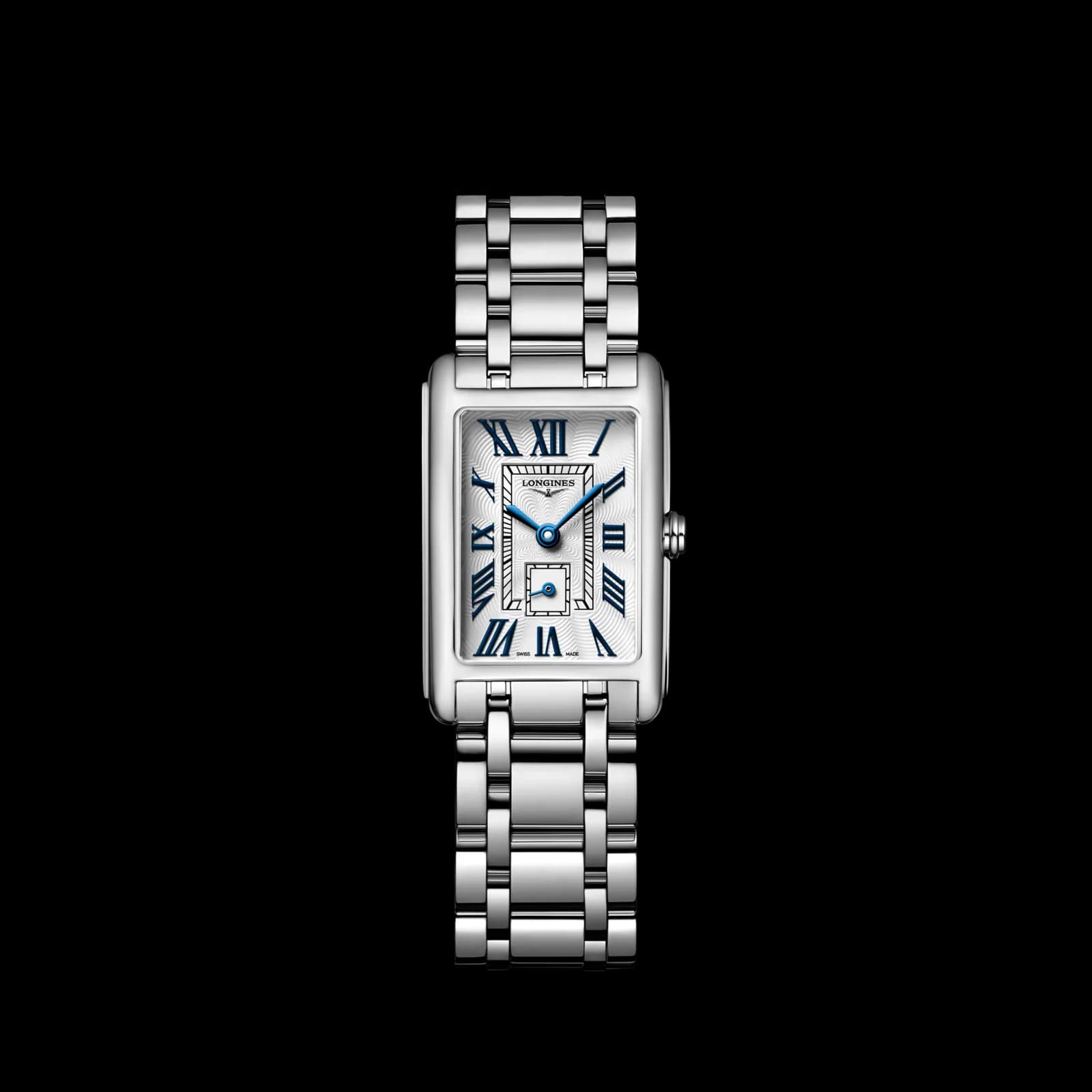
Roman numerals are hour markers on a watch or clock dial, made from letters of the alphabet, with or without serifs. They are the oldest numeral style found on watch dials. They are still popular on watches with a classic design, and Cartier is known for staying loyal to them.
Where it comes from
Roman numerals were the normal way to write numbers until the Late Middle Ages. Europe’s first mechanical clocks were made in the 13th century, when Roman numerals were still the standard number system. Clocks that used only Arabic numerals did not start to appear until the middle of the 18th century. The older style has lasted. Longcase clocks, also called grandfather clocks, usually show the hours in Roman numerals.
Why do watches use IIII instead of IV?
Most Roman numeral watch dials write four as IIII, not the usual IV. One explanation is visual balance. IIII matches the heavy VIII on the other side of the dial. A story says Louis XIV ordered the IIII form. It is probably untrue, because IIII was in use long before his reign. Brands that use IIII include Glashütte Original, A. Lange & Söhne, Ulysse Nardin, Blancpain, Cartier and Rolex. Some dials do use IV. The clock at Big Ben in London is one. H. Moser & Cie. is one of the few modern watch brands that does the same.
How do Roman numerals compare with other hour markers?
A dial can mark the hours in three broad ways: with Roman numerals, with Arabic numerals, or with marks that are not numbers. Stylized Roman numerals are one of several hour marker shapes. Others include batons, dots and chevrons. The shape chosen does a lot to define how a watch looks. Roman numerals appear on watches from Longines, Breguet and Omega.
Checked