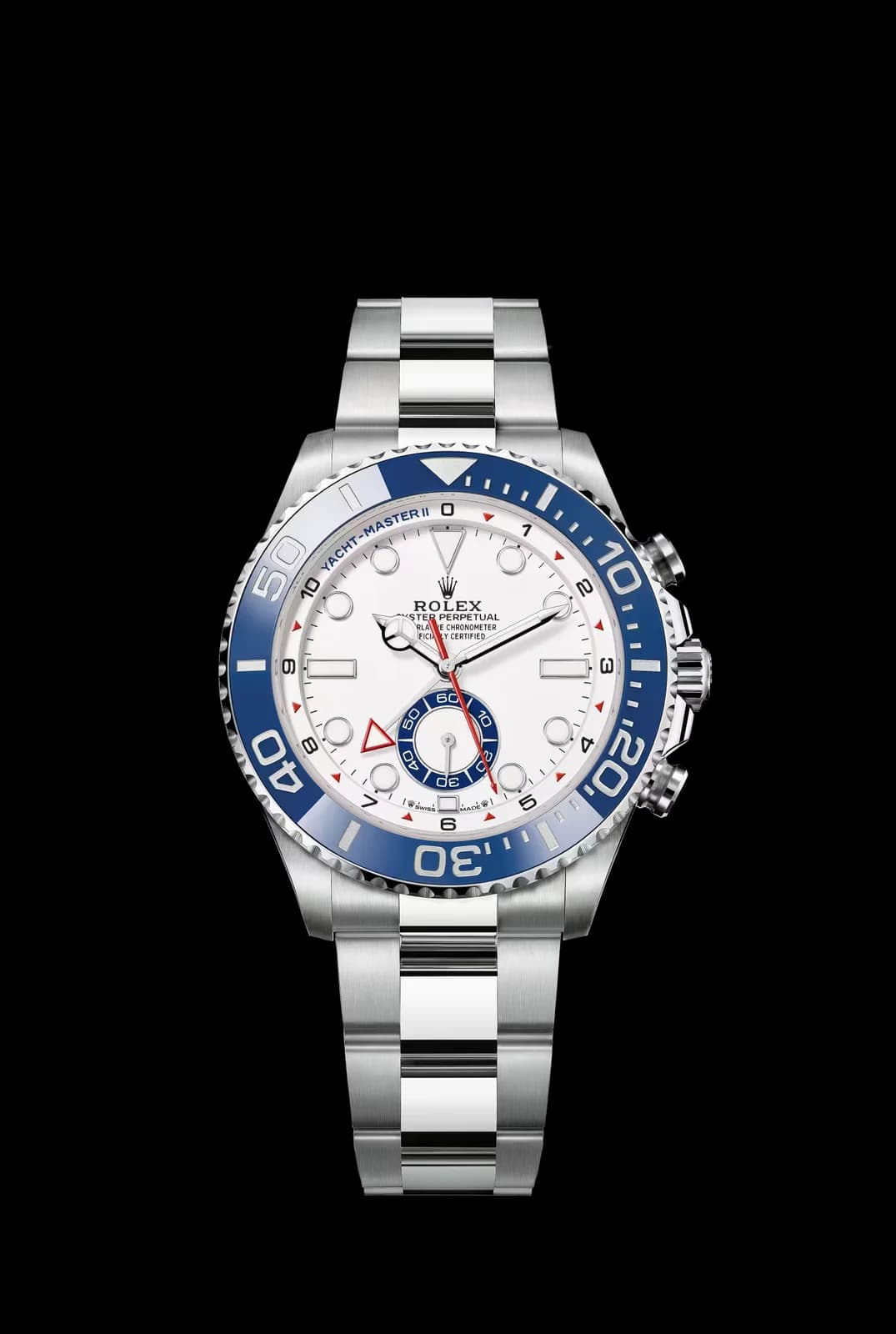
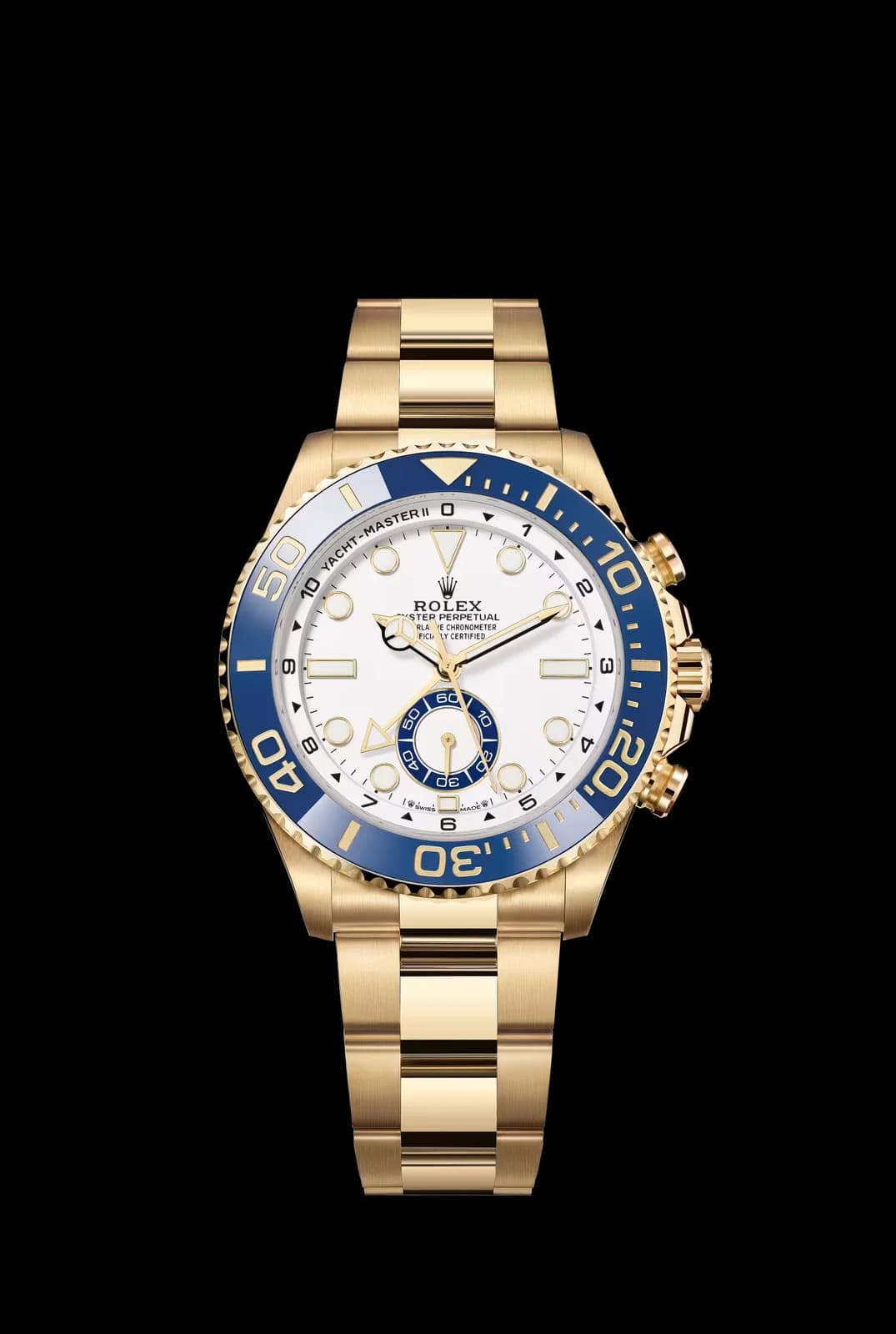
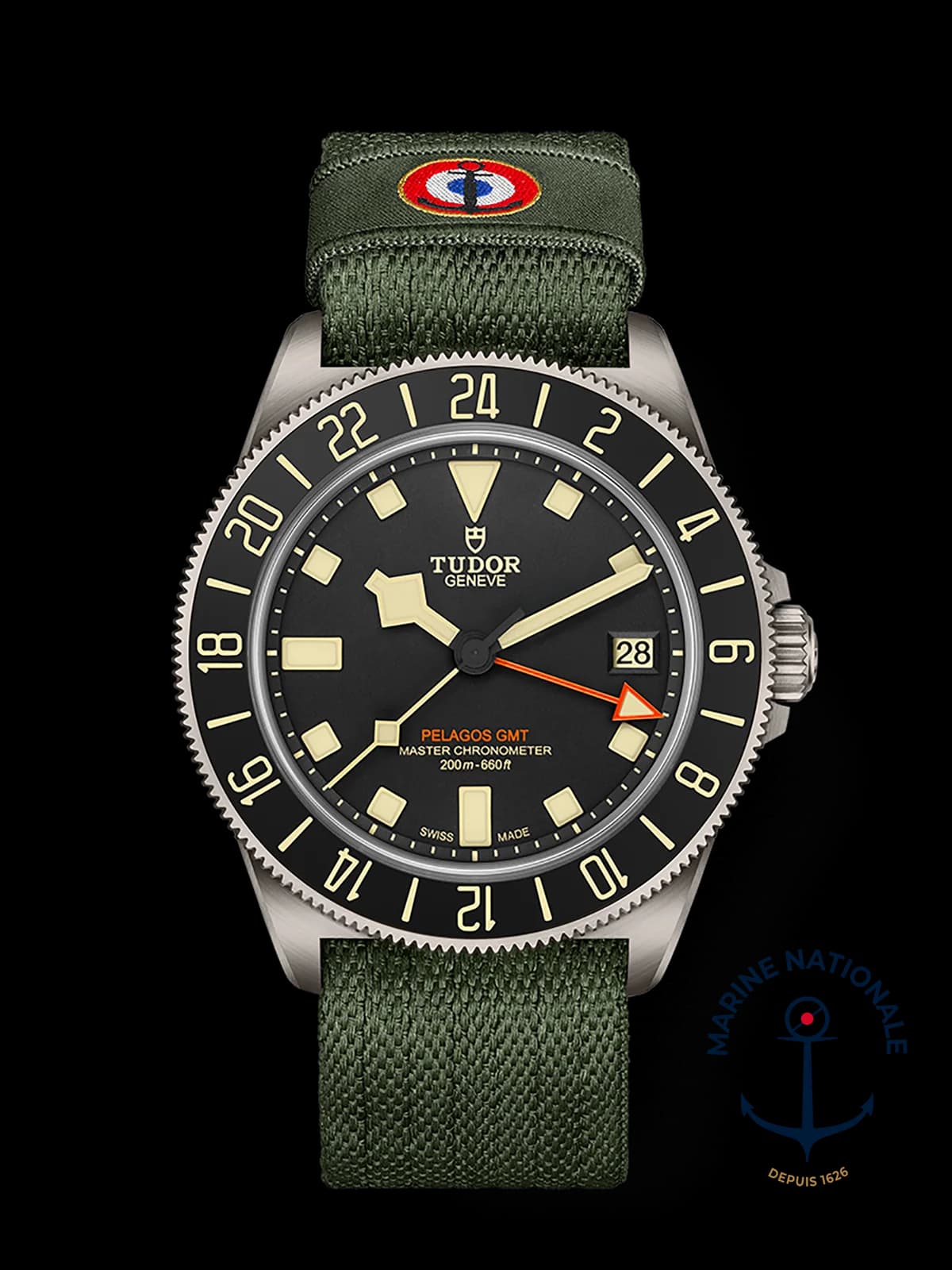
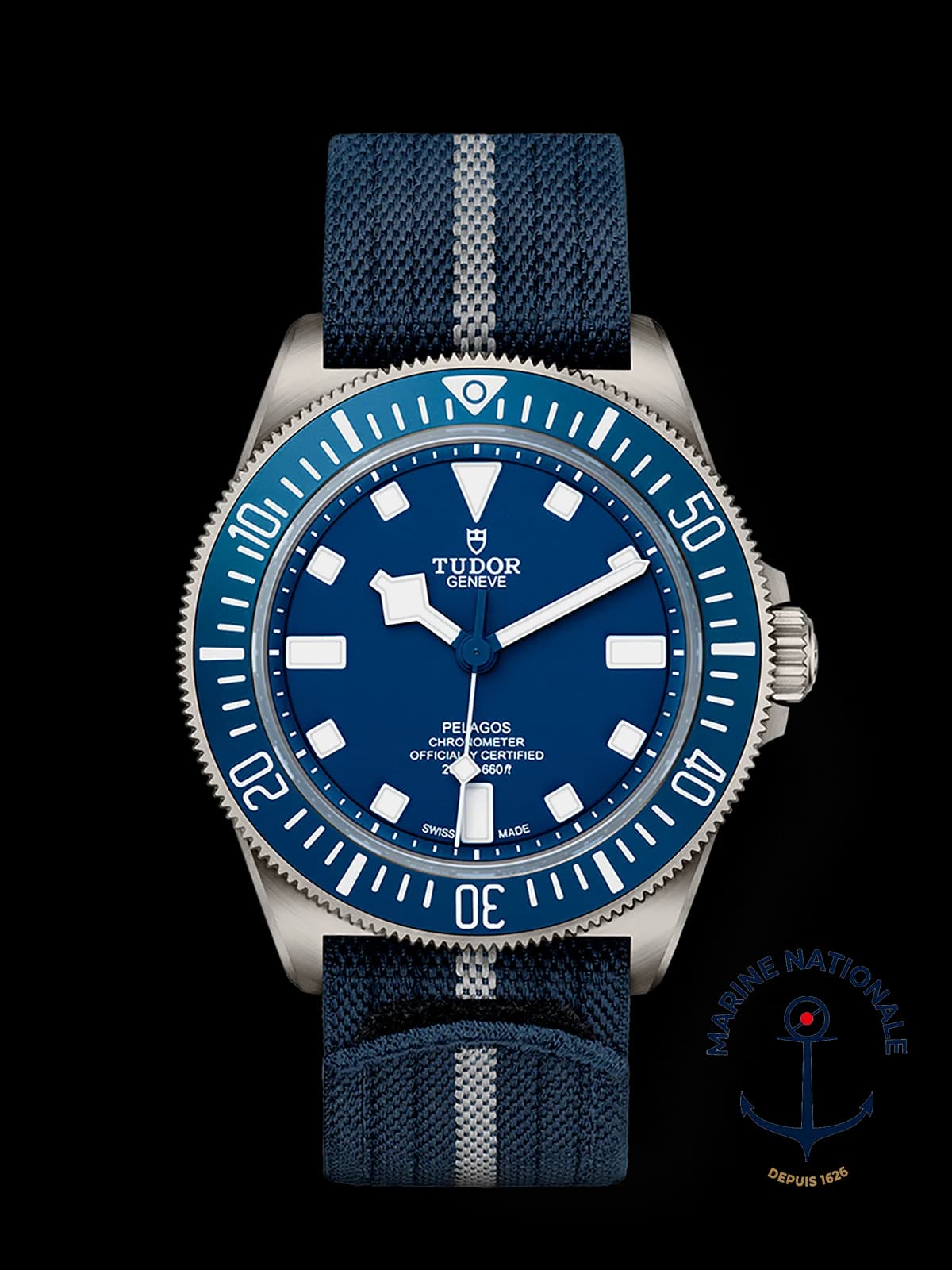
A bidirectional bezel is a rotating bezel that can be turned both clockwise and anticlockwise. It turns freely in either direction. It can time elapsed periods and follow another time zone. It suits pilot, GMT and everyday watches rather than watches for safety-critical use.
What is a bidirectional bezel used for?
Pilots can use it for quick calculations, such as fuel use, flight duration or a change of time zone. It appears most often on pilot watches and on dual-time or GMT watches. Like a one-way bezel, it can time elapsed periods. It can also follow other time zones while travelling. The Rolex GMT-Master paired a rotating bezel with a 24-hour hand so the wearer could read a second time zone.
Not to be confused with
The one-way bezel on a dive watch. That bezel turns in only one direction, so an accidental knock will not shift it. A bidirectional bezel turns freely either way, without the resistance a diver wants for confidence. So it belongs on pilot watches, GMT watches and watches for everyday timing, not on watches for safety-critical use. Put simply, the one-way bezel is about precision under pressure. The two-way bezel is about everyday flexibility. Rotating bezels generally come in just these two kinds.
Where it comes from
The 1931 Longines Weems-Lindbergh Hour Angle is credited as the first watch with a marked rotating bezel of any kind. In 1954 Rolex showed the Turn-o-Graph and the Submariner. Both had a two-way keyed rotating bezel, with a triangle marking zero. Rotating bezels can turn freely or move in steps, and some of them lock. Watches from Breitling, Rolex and Longines have a bidirectional bezel.
Checked