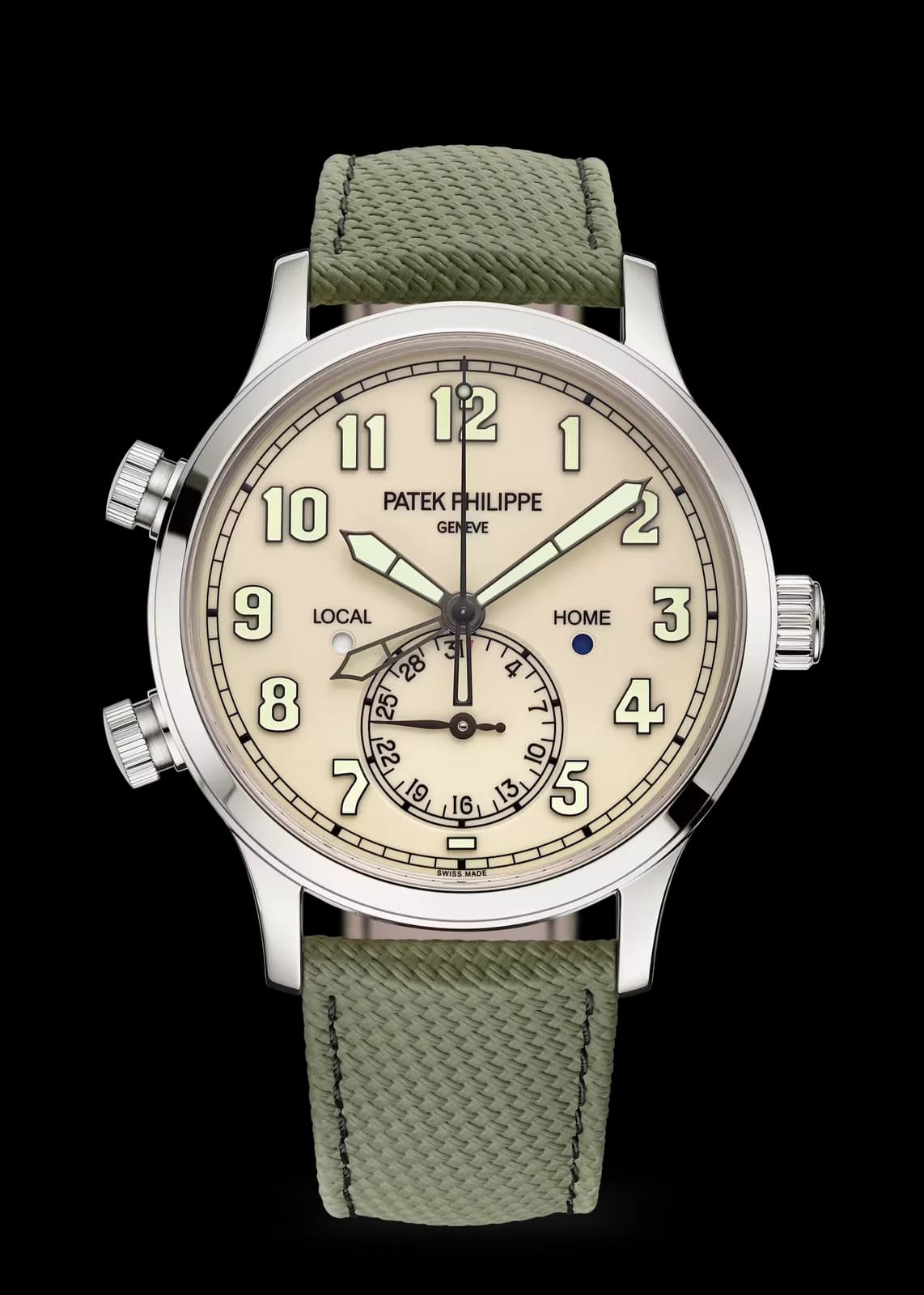
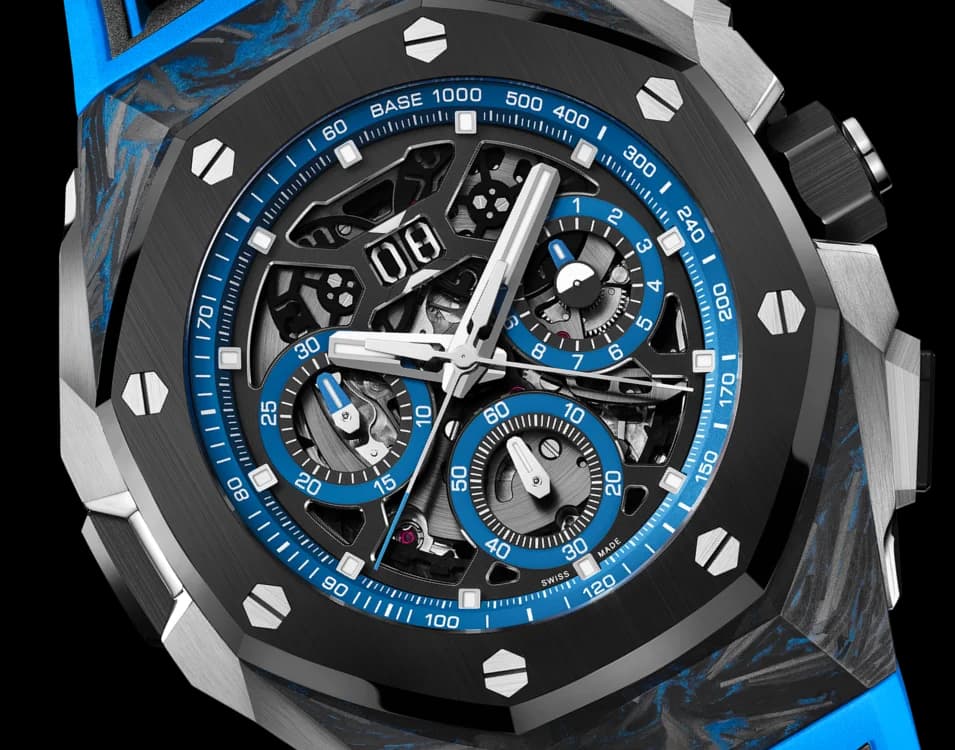
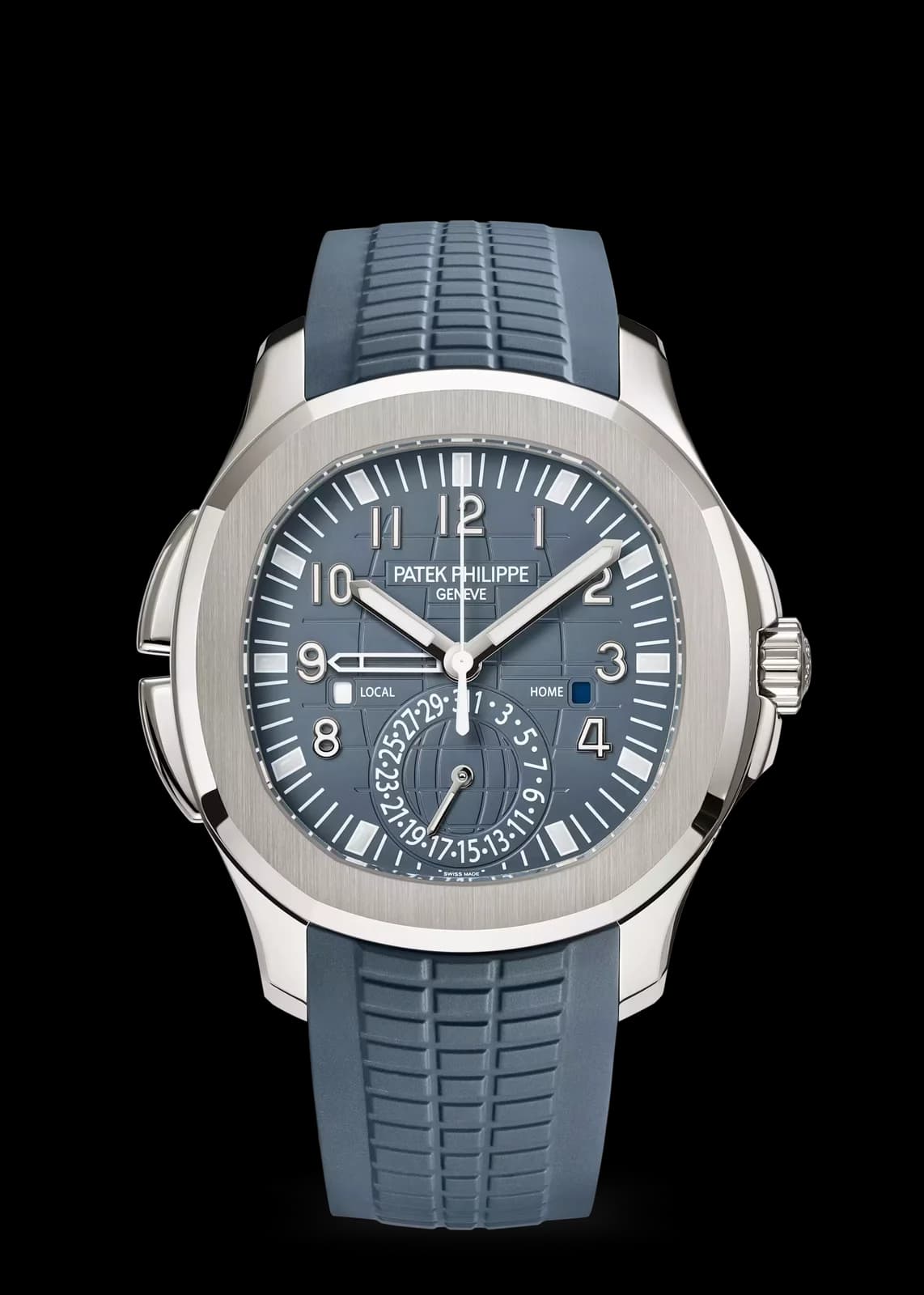
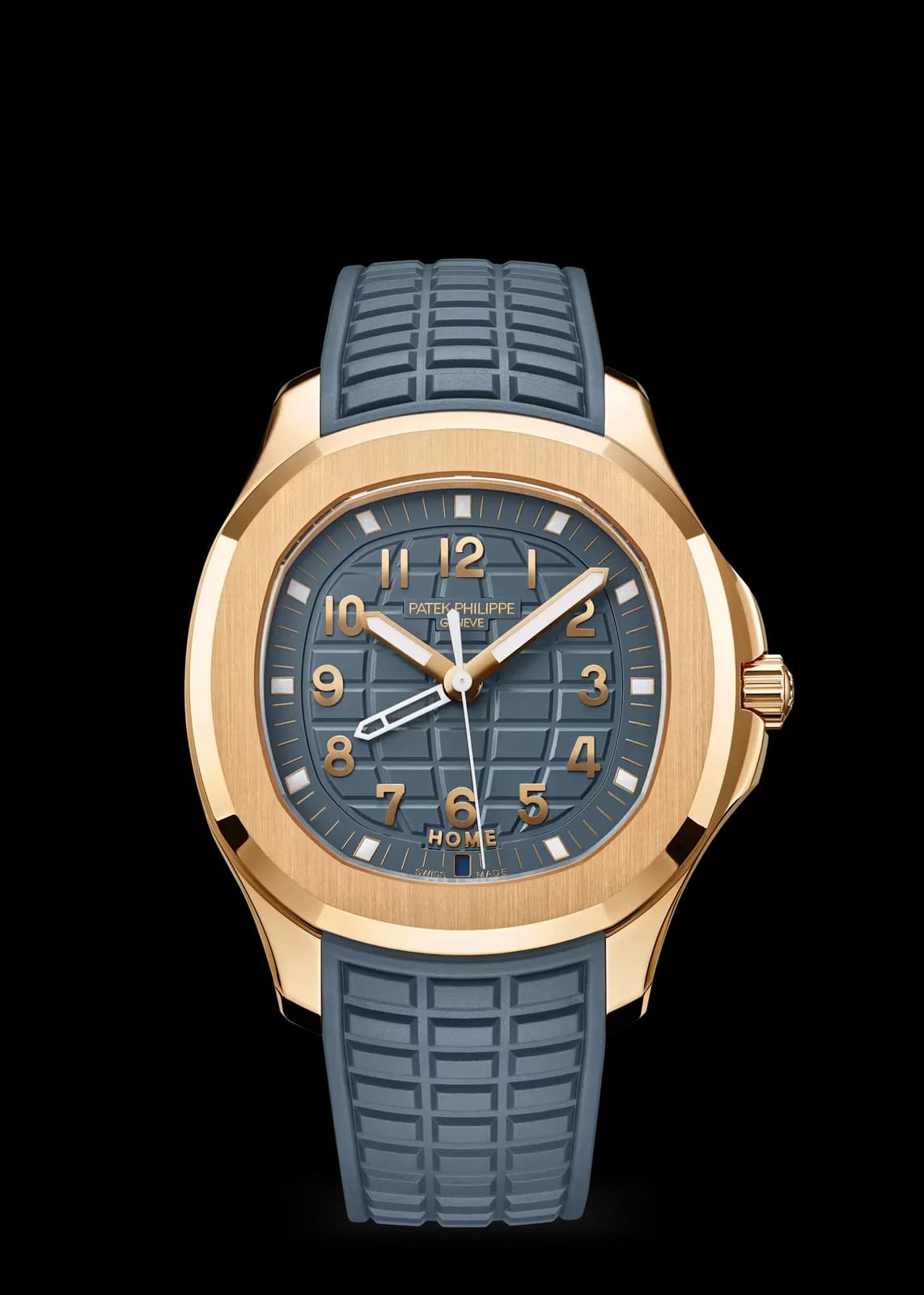
Dual time is a complication that shows the time in two different places at the same moment. It lets the wearer read home time and the time somewhere else on one watch. Pilots and airline crews drove its rise on the wrist from the 1950s, as air travel grew.
How does a dual time watch work?
A common layout adds an extra hour hand on the same centre axis as the main hands. It goes round the dial once every 24 hours and shows the hour in a time zone the wearer picks. When the wearer sets the second zone, this hand should jump in whole hours. The minutes stay as they are. On the Rolex GMT-Master, the 24-hour hand is read against a turning 24-hour bezel. The wearer can rotate the bezel to show another time zone.
Where it comes from
Ship clocks of the 1700s were an early form of the idea. They kept the time of a reference meridian, so navigators could work out longitude. Pocket watches that showed two times first appeared in the later half of the 1800s. On the wrist, the second time zone took off from the 1950s, as airline travel grew. Rolex made the GMT-Master for Pan Am, which wanted its pilots to read home time and destination time on one watch. The name GMT comes from Greenwich Mean Time. That was replaced as the official international time standard in 1972, but watch brands still use the term.
Not to be confused with
A dual time watch is not a world time watch. A world time watch shows the time in all its reference cities at once. A dual time watch shows only two zones. The term ‘dual time’ has no official definition. It is often used for watches that show the two zones on two separate dials. A GMT display has a further limit. It cannot handle time zones that are offset by a half or a quarter hour.
Checked