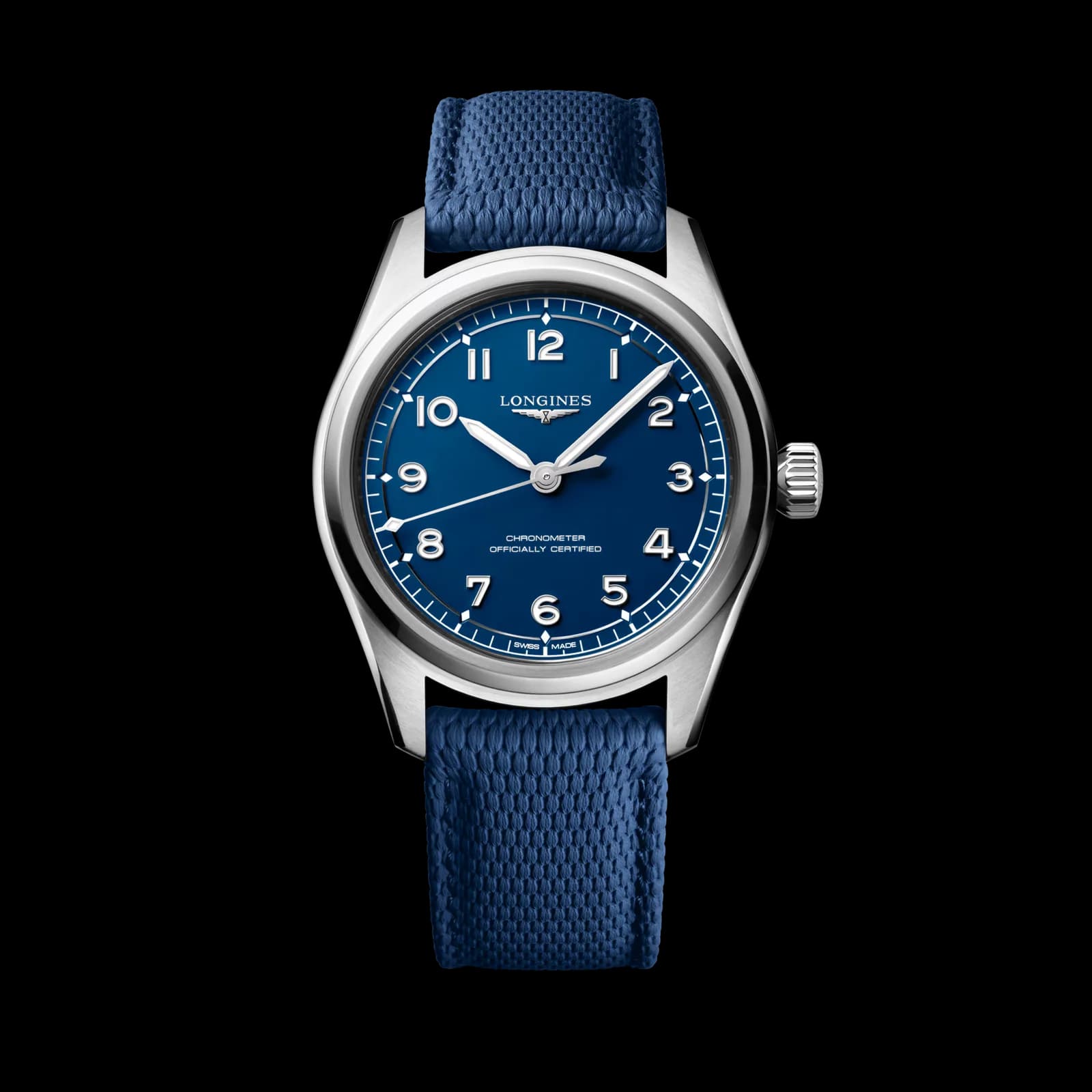
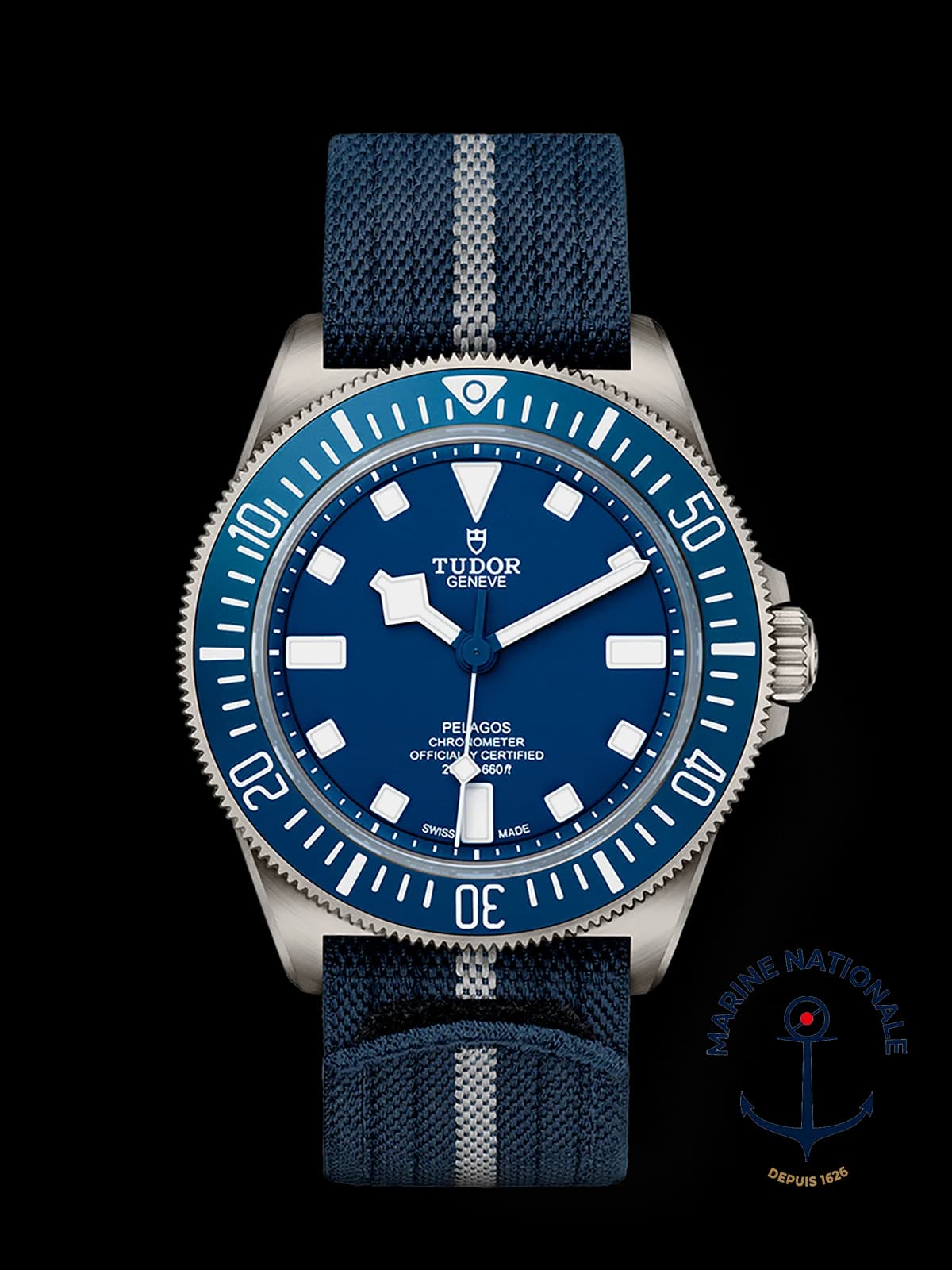
COSC is the Swiss body that certifies how accurate and precise Swiss watches are. It tests movements against the international standard ISO 3159. Only those that meet it receive an official chronometer certificate.
How does COSC test a watch?
For a mechanical watch, the movement is tested on its own, out of its case. The test runs for fifteen days. The movement is checked in five positions and at three temperatures: 8, 23 and 38 degrees Celsius. The limits come from ISO 3159. A movement that meets them receives an official chronometer certificate. One that falls short does not. Quartz chronometers are tested too, for 13 days in a single position. The work is done in three laboratories, in Biel/Bienne, Saint-Imier and Le Locle.
Where it comes from
COSC was set up in 1973. It describes itself as a non-profit association serving the public interest. Five Swiss watchmaking cantons founded it together with the Swiss watch industry federation, the FHS. Before then, the testing was done by official watch-rate testing offices known as B.O.s. In 1973 those offices were placed under COSC. Today Rolex sends it more movements than any other brand. Omega, Tudor, Breitling, Mido and Tissot follow, in that order.
Not to be confused with
A chronometer is not a chronograph. A chronograph is a stopwatch function. A chronometer is a watch whose precision has been certified. The two words sound alike but describe different things. COSC is also not the strictest test. The newer METAS standard goes further. It tests the fully assembled watch rather than the bare movement. It also checks the effects of magnetism.
Checked