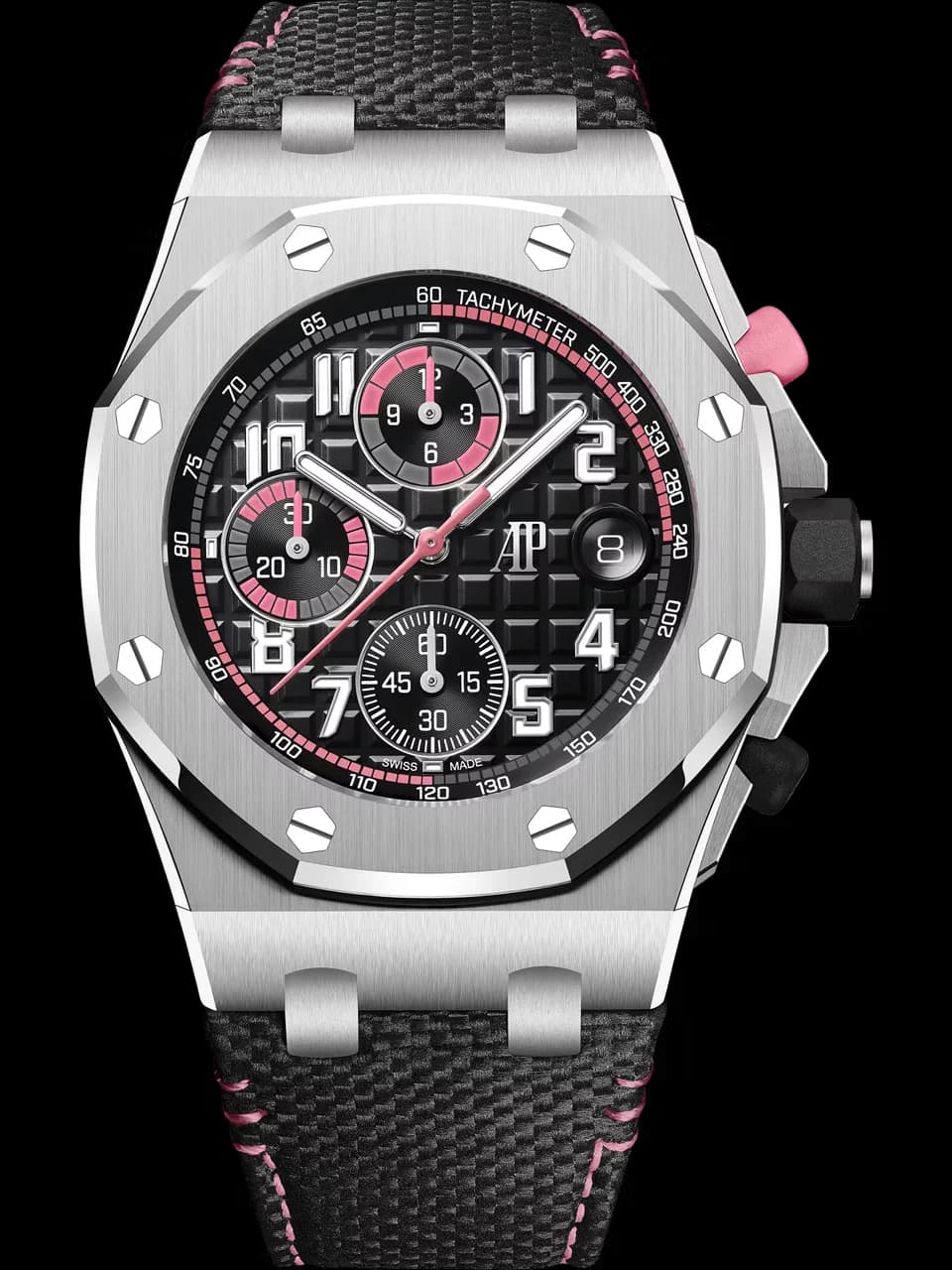
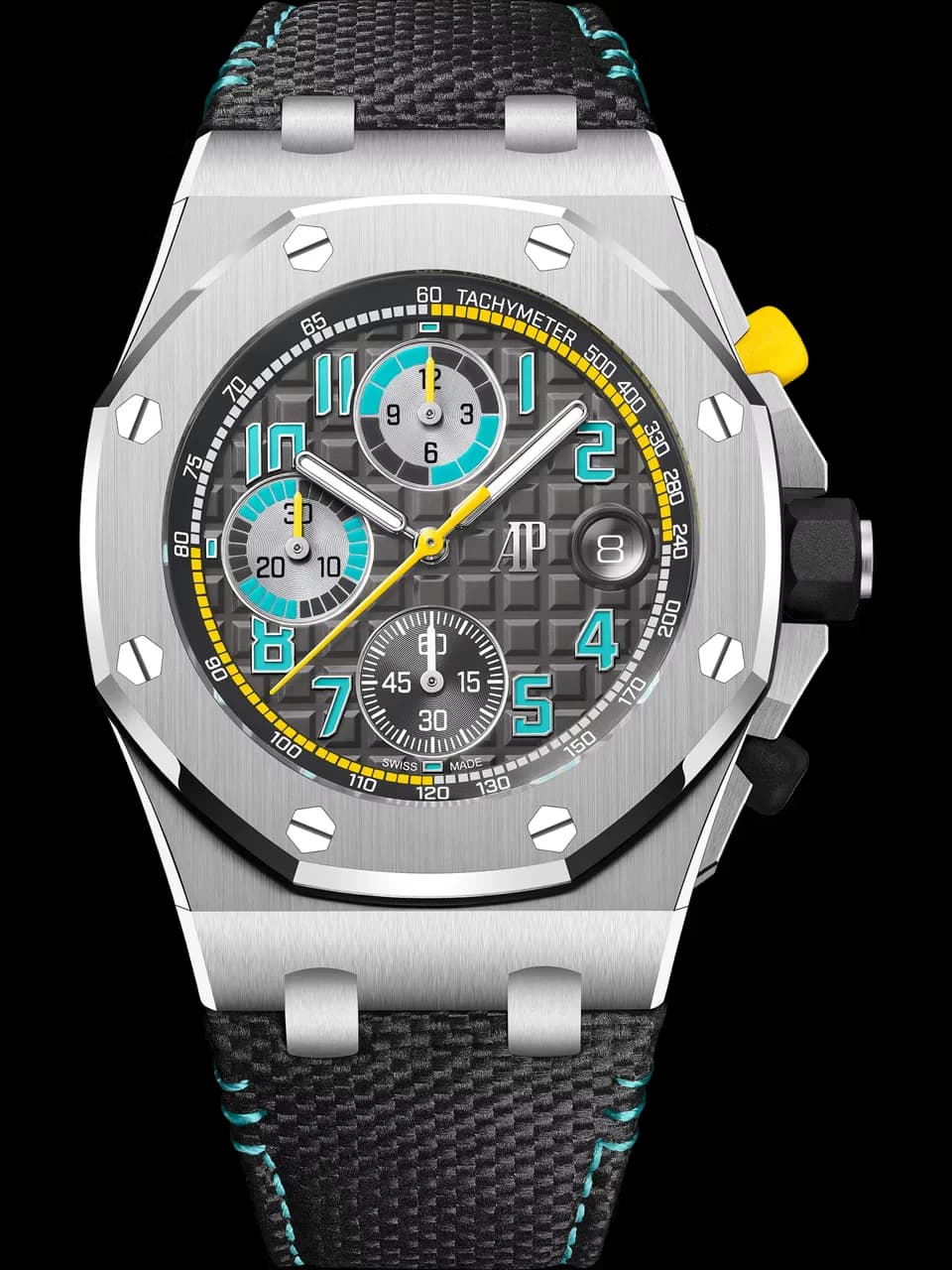
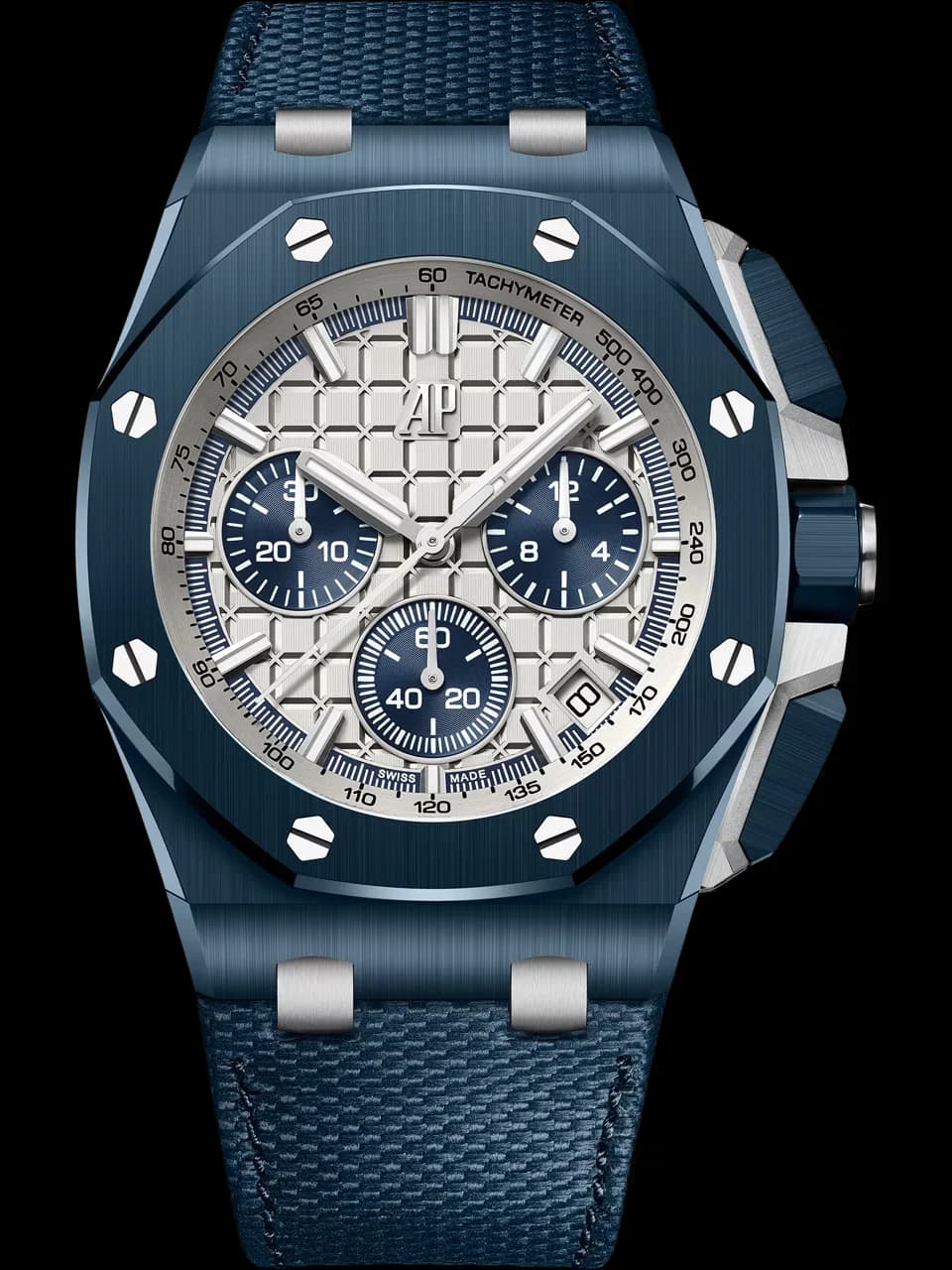
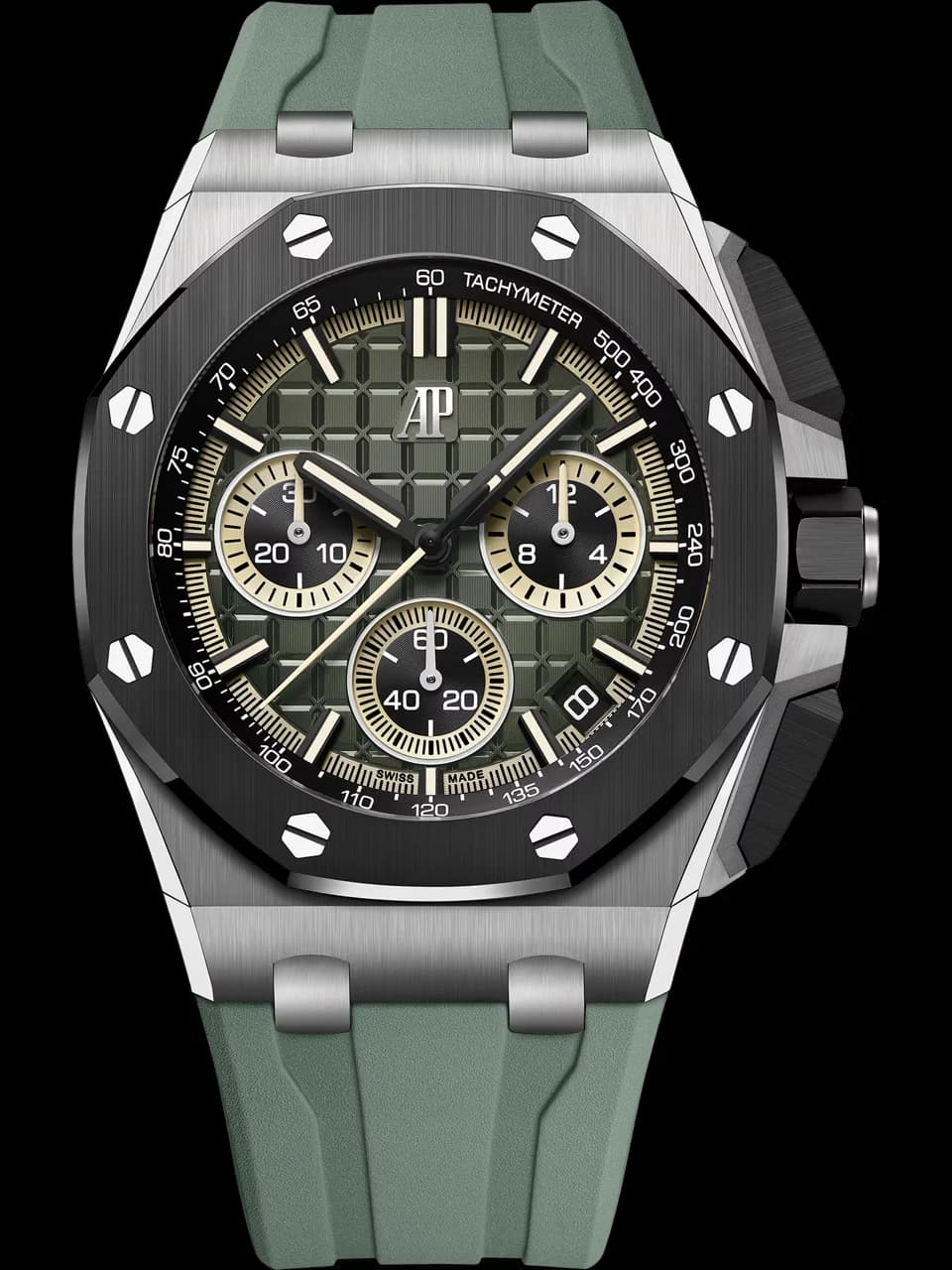
A chronograph is a watch with a stopwatch built in alongside its normal timekeeping. The wearer usually starts the timing with a pusher at two o’clock. It makes precise timing possible, and pilots valued it because it also allowed quick calculations.
Where it comes from
Louis Moinet built the first modern chronograph. Marks engraved inside its case show that he began it in 1815 and finished it in 1816. He made it only for use with astronomical instruments, to work with a transit instrument. His Compteur de Tierces ran at 216,000 vibrations per hour, which is 30 Hz. That high beat gave 60 vibrations each second and split the second into sixtieths, the ‘thirds’ of the name. The first chronograph sold commercially followed in 1821. Nicolas Mathieu Rieussec made it at the request of King Louis XVIII. It recorded time by placing drops of ink on a dial. Hence the name: chronos, time, and graph, writing.
What kinds of chronograph are there?
Some chronographs add further timing functions. On a flyback chronograph, the timing hand can be sent back to zero very quickly. A rattrapante, or double chronograph, has more than one seconds hand. At least one of them can be stopped and started on its own. The bezel can add to what a chronograph does. In 1958 Heuer brought out a chronograph with a rotating tachymeter bezel, which allowed more complex calculations. Omega, IWC Schaffhausen and Breitling all make watches with the function.
Not to be confused with
People often mix up ‘chronograph’ and ‘chronometer’. The words look alike, but they are different terms. Chronograph names a function: a stopwatch that runs alongside the watch’s normal timekeeping, usually started with a pusher at two o’clock. The name itself, time-writer, goes back to Rieussec’s ink-marking device of 1821. A watch described as a chronometer is not, for that reason alone, a chronograph.
Checked