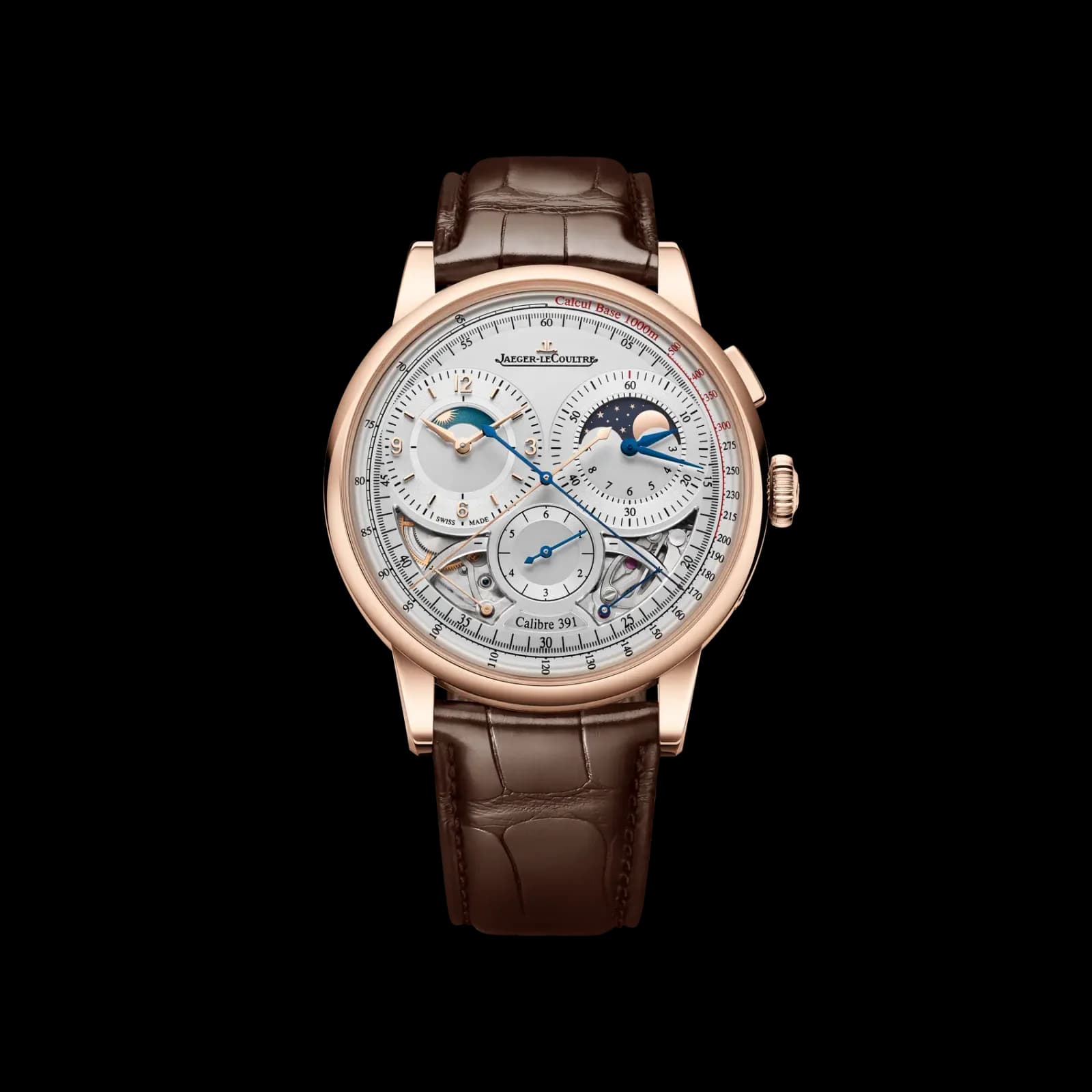
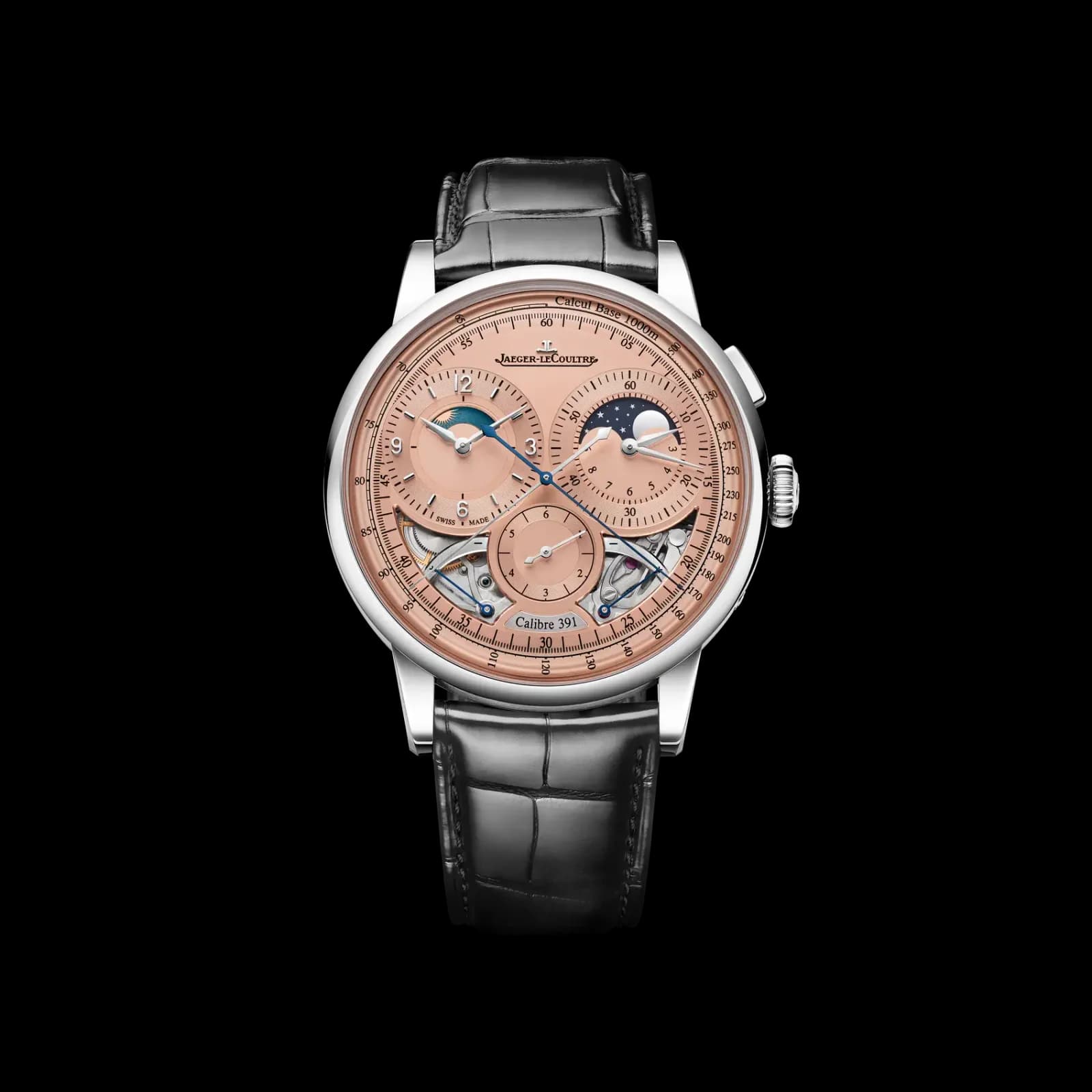
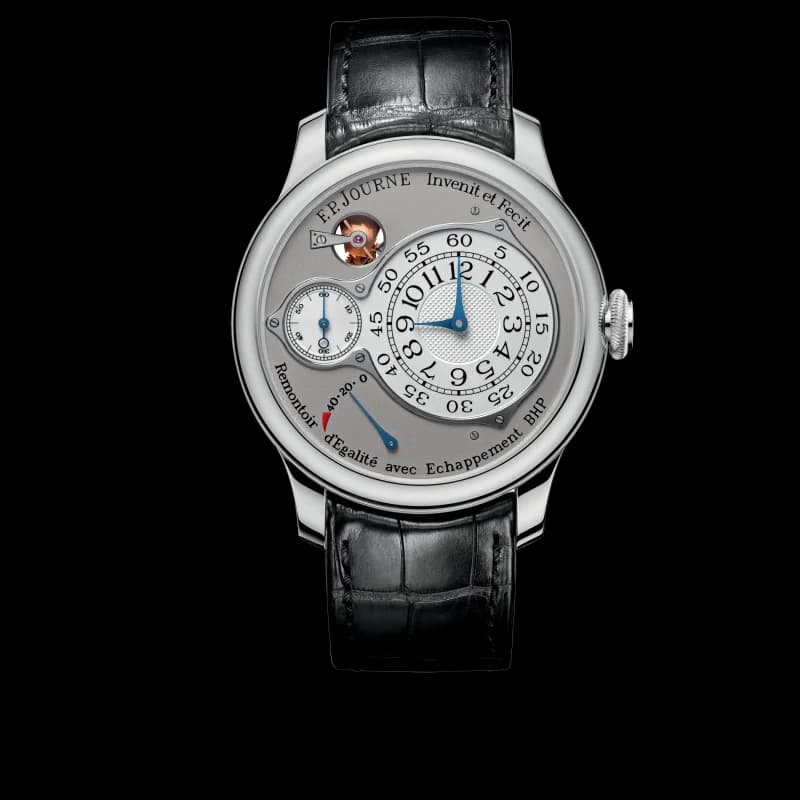
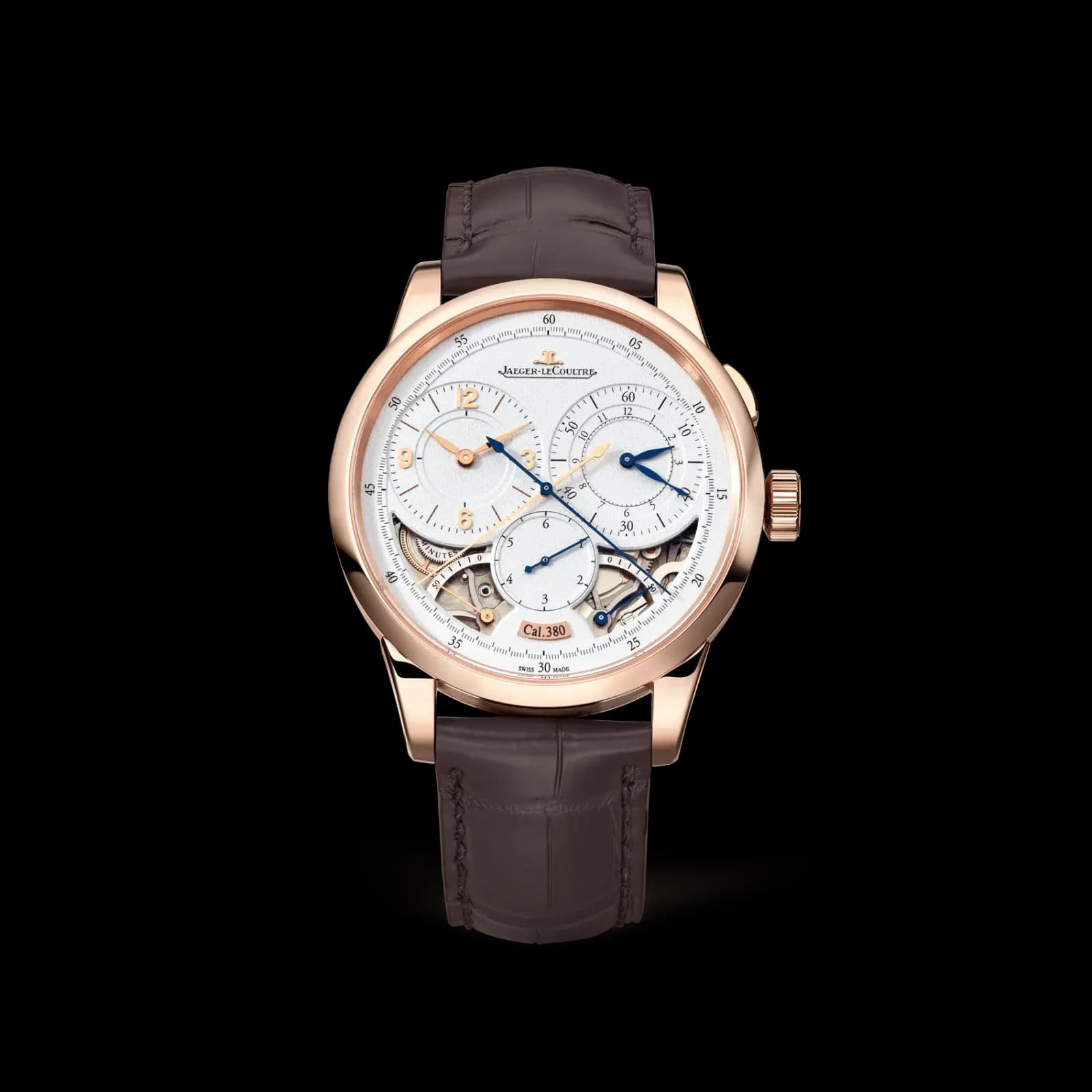
Dead-beat seconds is a complication on a mechanical watch that makes the seconds hand move forward once each second, much like the hand of an analogue quartz watch. The tick looks like quartz, but the movement needs an extra mechanism, and the tick comes entirely from complex mechanical engineering.
How does dead-beat seconds work?
In an ordinary mechanical watch, the seconds hand takes roughly five to ten small steps every second, depending on the calibre. It only looks as if it moves smoothly. In fact, it advances in tiny jumps. A dead-beat seconds watch keeps the normal balance and hairspring. It adds a mechanism that stores up or holds back motion for one second at a time. A jumper keeps the hand still, then lets it go at regular intervals. The result is a hand that steps at one beat per second, or 1Hz.
Where it comes from
Around 1715, the English clockmaker George Graham began using the dead-beat escapement in his precision regulator clocks. The escapement is credited to Townley, also spelt Towneley. As a result, the seconds hands on Graham’s regulators ticked once per second. Early wristwatch versions included Omega’s calibre 372 Synchrobeat and Rolex’s reference 6556 Tru-Beat. The idea never spread widely. Both models are now among the rarest vintage pieces from those brands. In 2015, Jaeger-LeCoultre brought the complication back into the spotlight with its Geophysic True Second. It is still unusual in modern movements.
Not to be confused with
A dead-beat seconds hand moves in much the same way as the seconds hand of an analogue quartz watch. Because the motion is so similar, people easily mix the two up. The difference lies in what drives the hand. On a dead-beat seconds watch, the once-per-second tick comes entirely from complex mechanical engineering, worked by a balance, a hairspring and an extra mechanism. Enthusiasts can spot its distinctive jump right away.
Checked