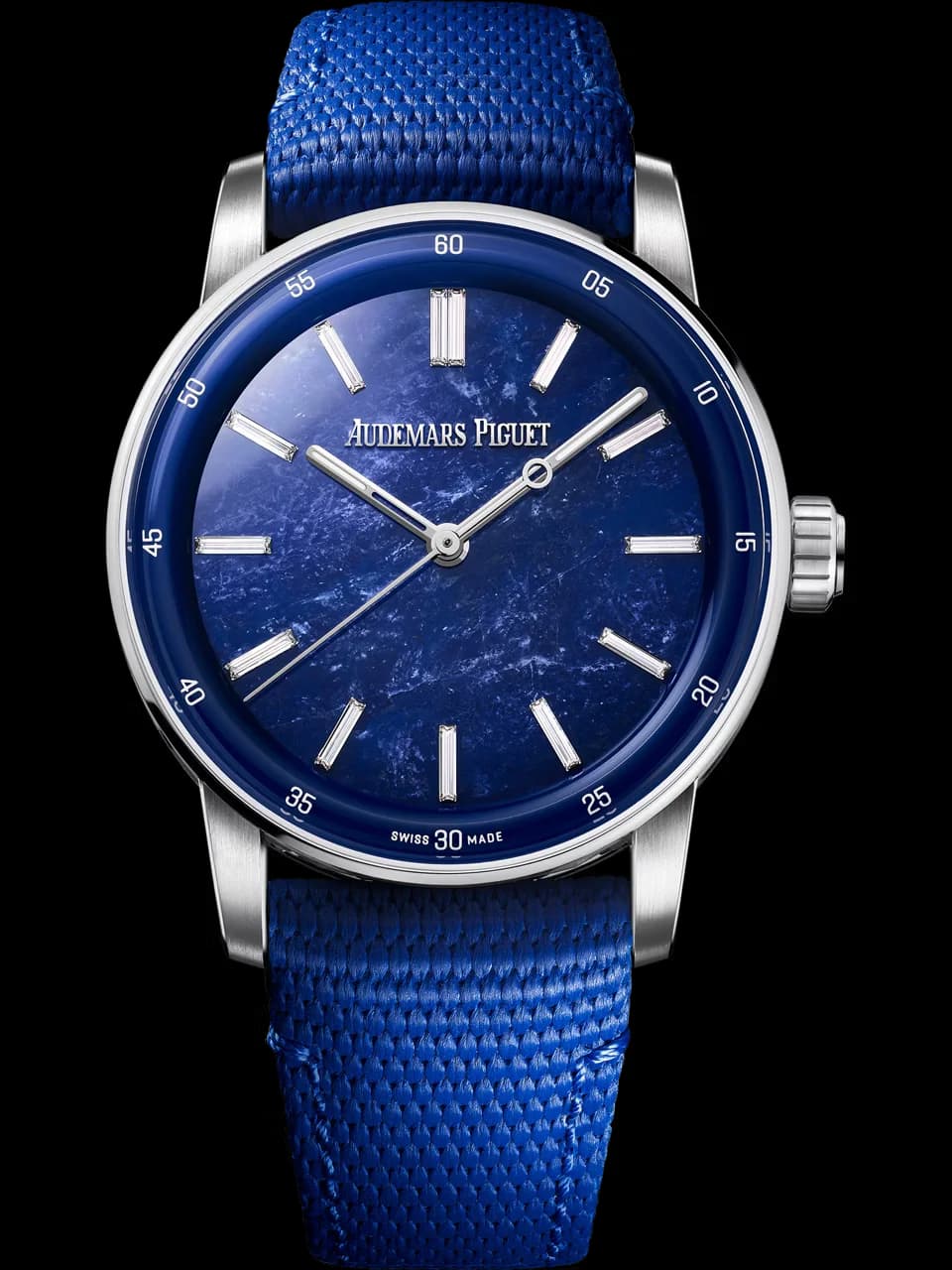
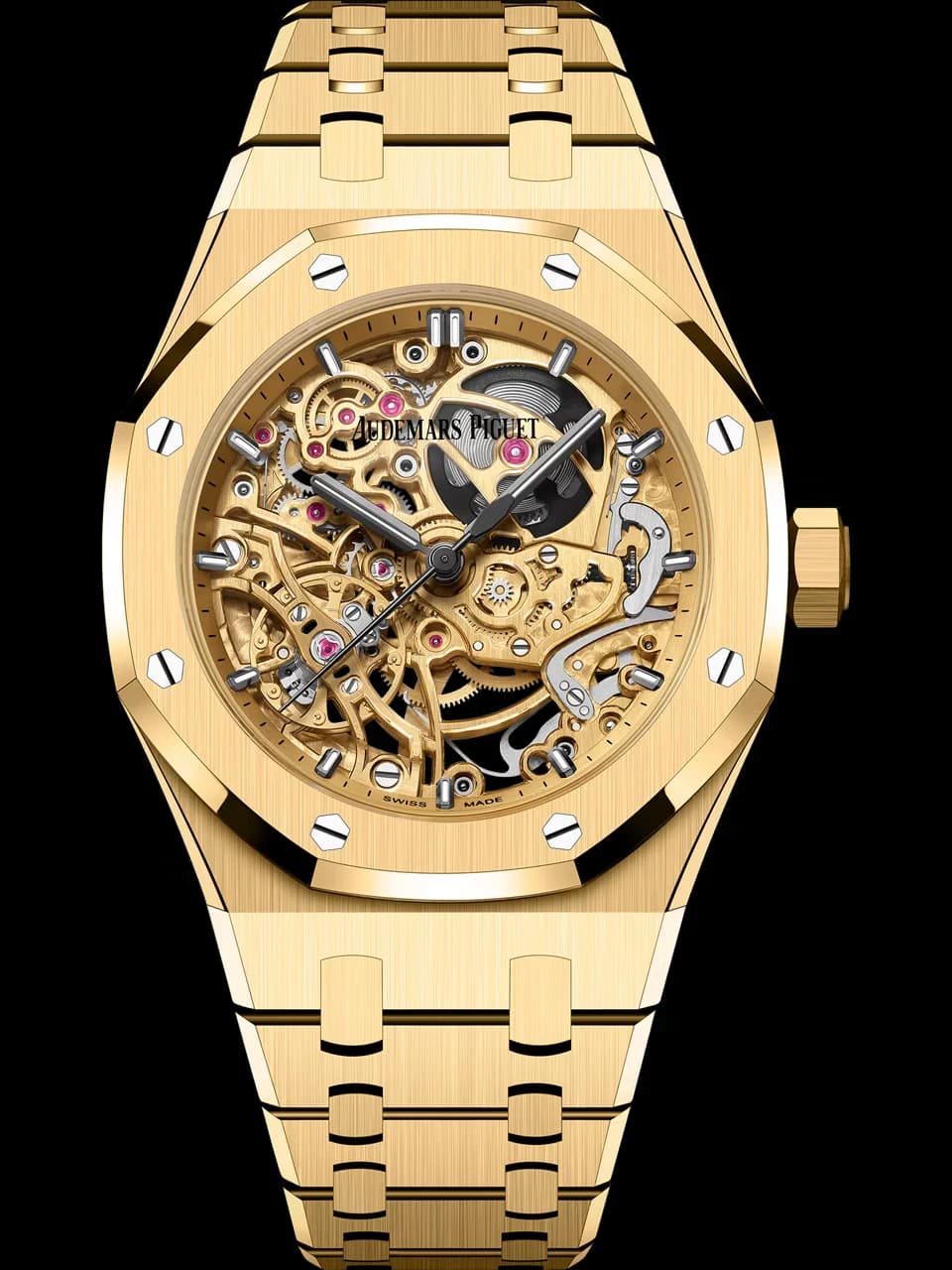
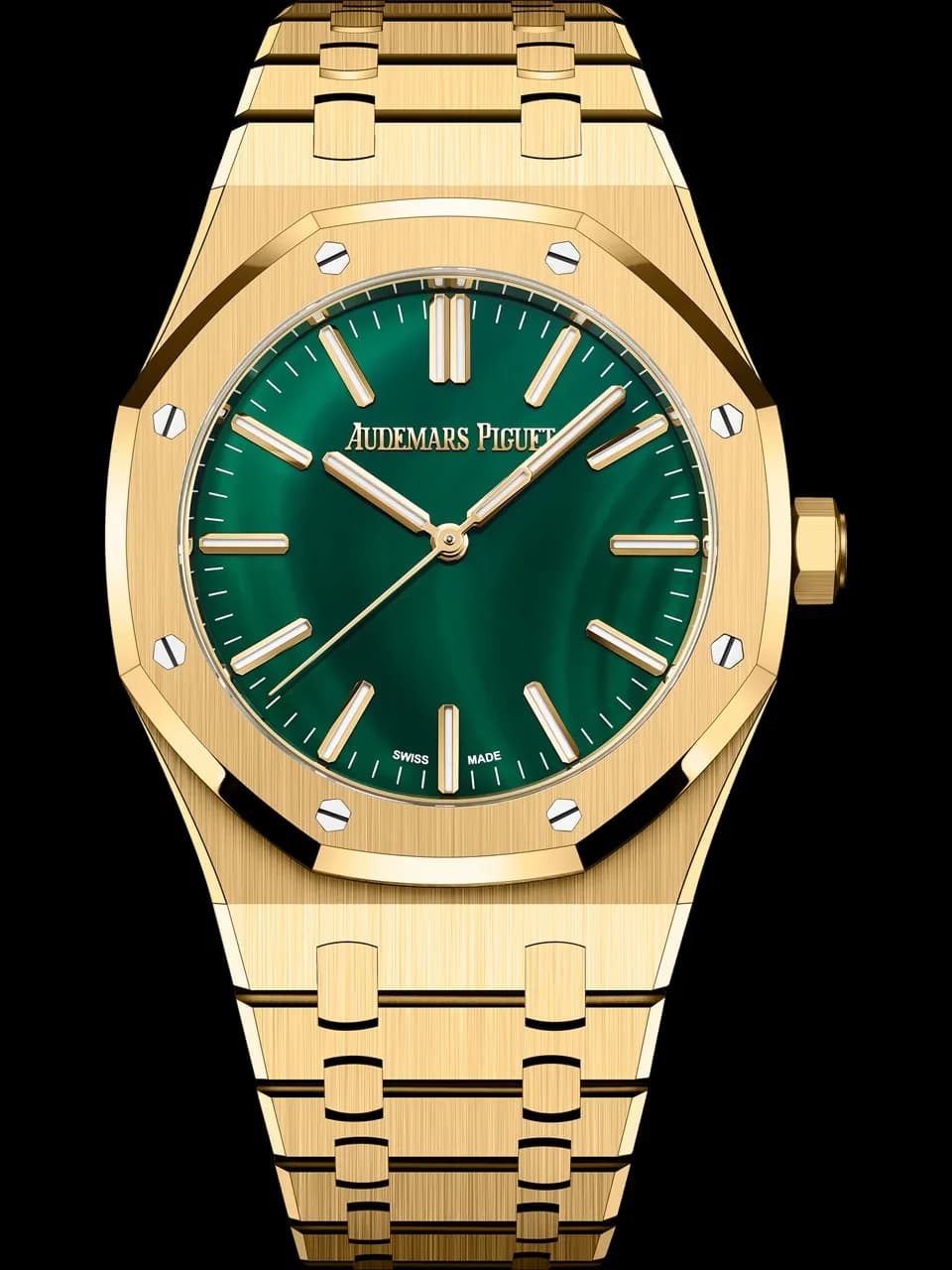
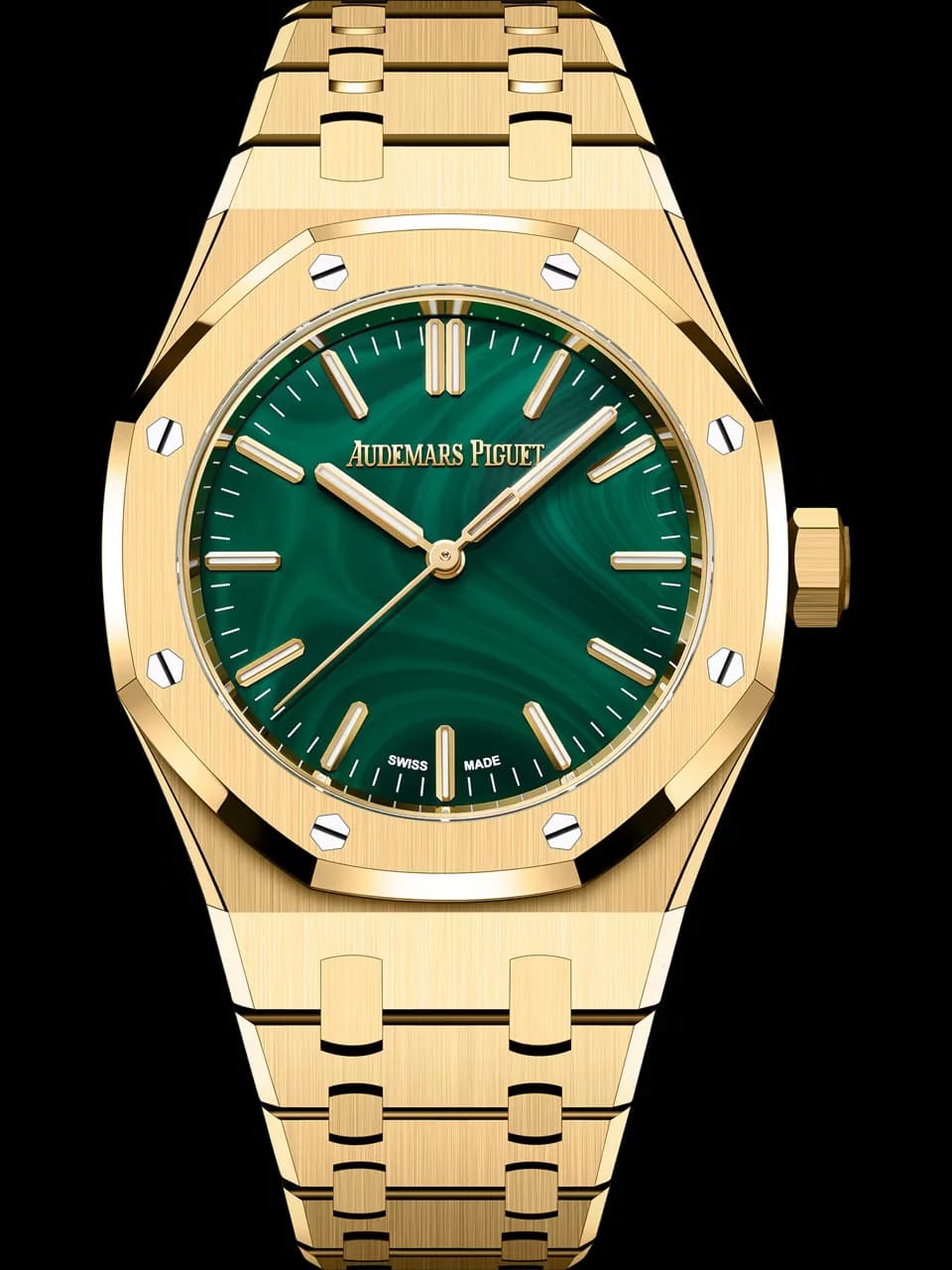
Centre seconds is a seconds hand mounted on the same central axis as the hour and minute hands, so it travels across the whole dial rather than sitting in a small subdial. This layout is easier to read when timing short intervals, especially when the dial has a minute track around its edge.
How does centre seconds work?
In every watch movement, the fourth wheel turns once a minute. That makes it the usual source of drive for the seconds hand. In a direct centre seconds design, the fourth wheel itself turns the hand. For that to work, the fourth wheel must sit at the centre of the movement. A direct centre seconds movement therefore has to be designed with this layout from the start. It cannot simply be added to a movement built another way.
What is the difference between direct and indirect centre seconds?
The difference lies in how the hand gets its motion. In a direct design, the motion comes straight from the seconds wheel. In an indirect design, it passes through intermediate gears. The fourth wheel stays off-centre, and extra gearing carries the seconds motion to a hand in the middle of the dial. Indirect layouts usually take their drive from the third wheel rather than the fourth. That drive is geared down so the hand turns at the correct speed.
Where it comes from
Before centre seconds caught on, the seconds hand nearly always sat on its own subdial, most often at six o’clock. Early centre seconds watches were made by modifying existing movements. Gears and bridges were added to bring the seconds hand to the centre. Omega’s calibre 30T2 SC of 1939 was a landmark movement for centre seconds design. The Seiko Super, launched in 1950, was the first Japanese wristwatch with direct centre seconds. The feature appears in watches from Oris, Audemars Piguet and Baume & Mercier.
Checked