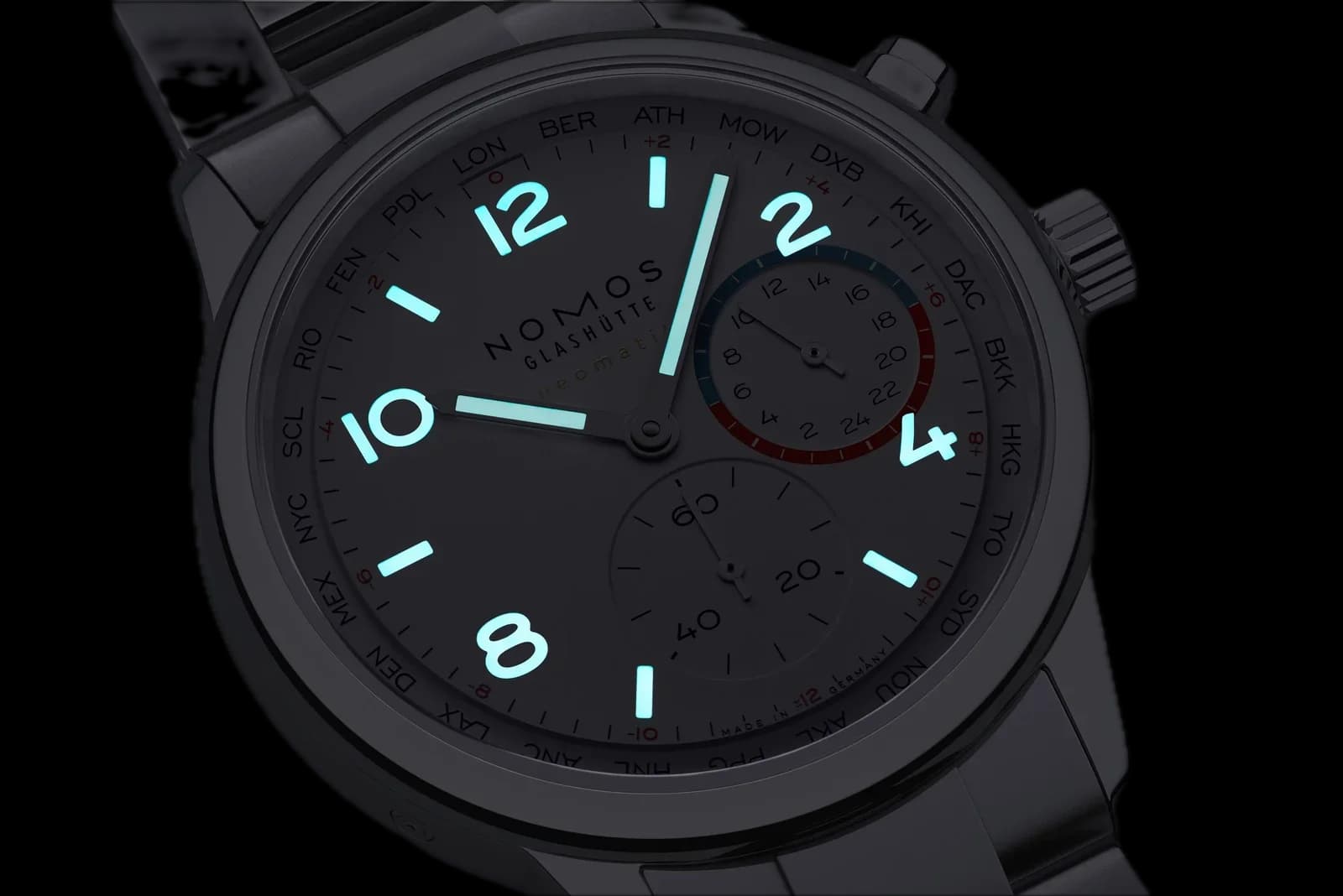
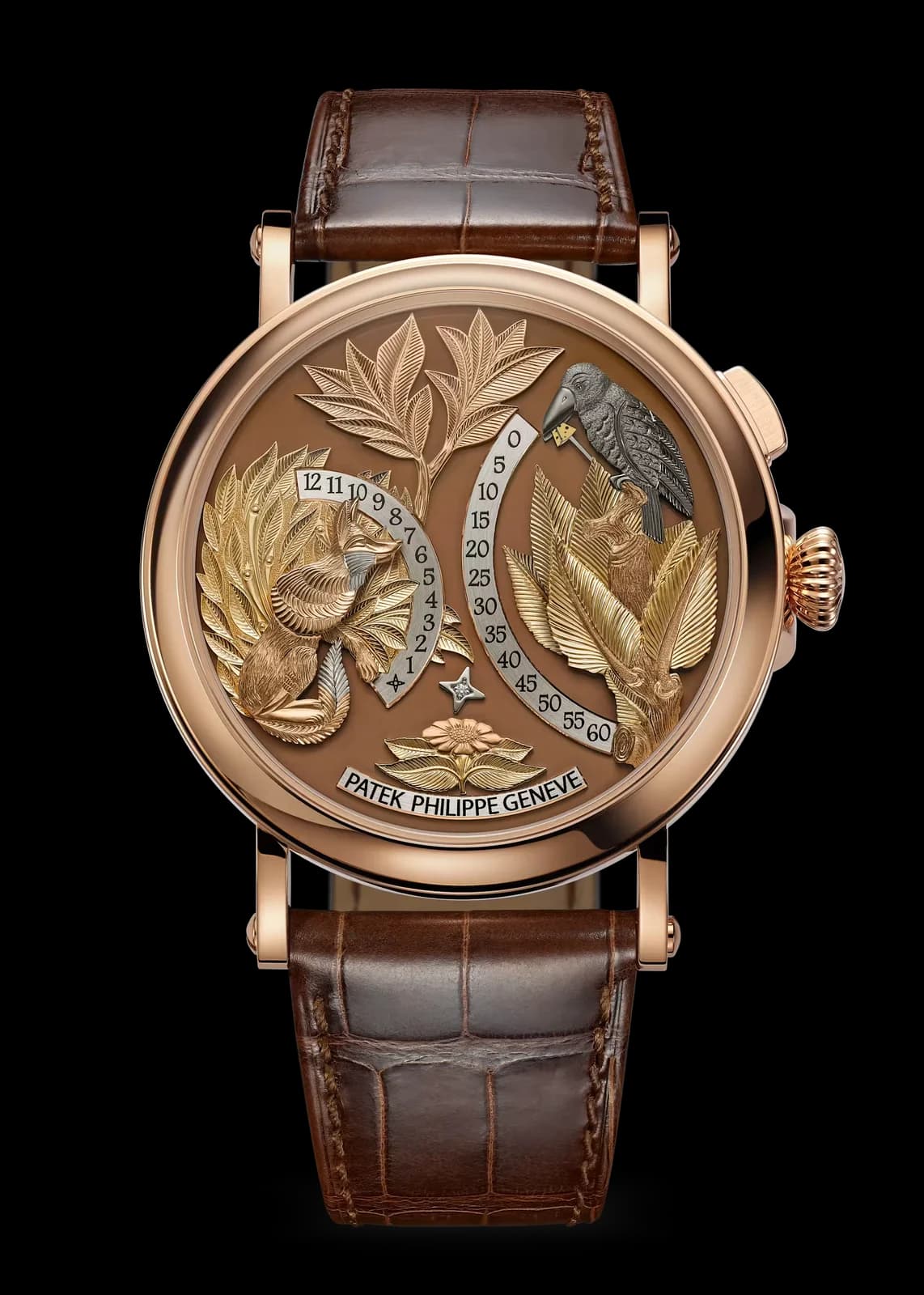
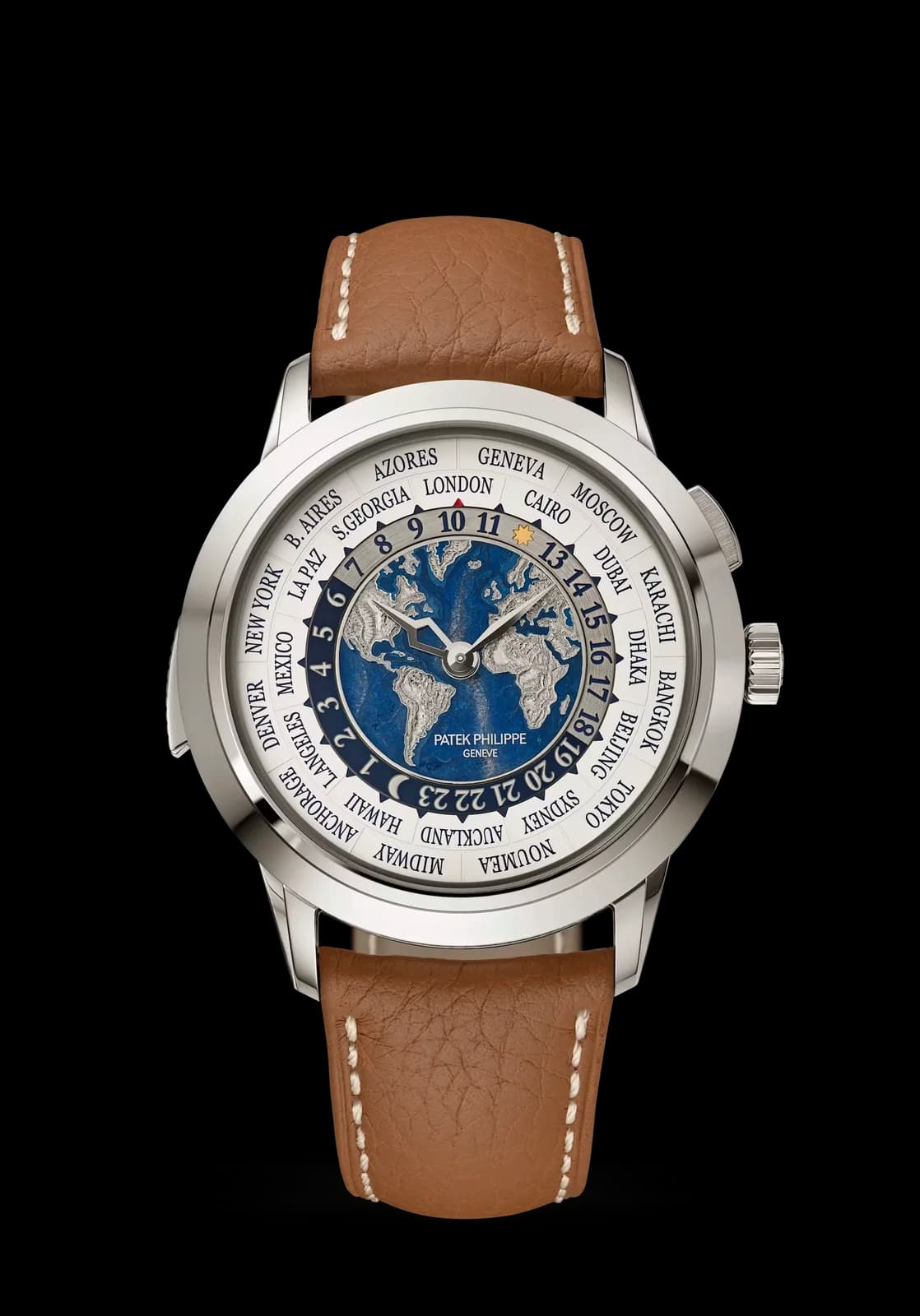
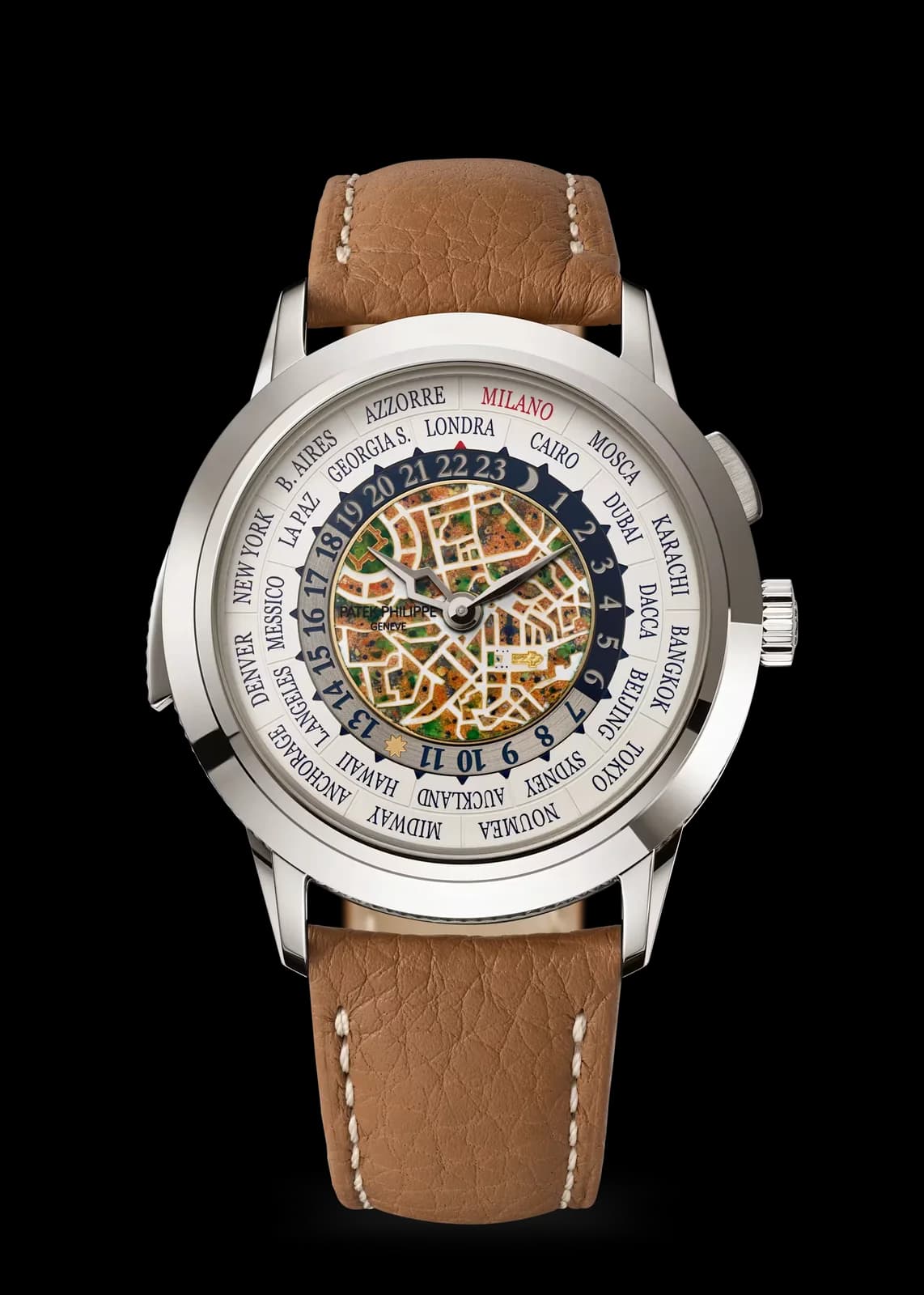
World time is a watch complication that shows the hour in every one of the 24 time zones at once. One look at the dial gives the time across the world. The need for it grew after time zones were agreed internationally at the Washington Conference of 1884.
How does a world time watch work?
The display is built from three rings or levels, one inside another. Most world timers have a ring of about 24 big cities. Each city stands for one time zone. A 24-hour ring sits next to the city ring and makes one full turn each day. To find the time in a zone, look at its city and read the hour beside it. In Louis Cottier’s design, the hour hand drove this ring, turning it anticlockwise once every 24 hours.
Where it comes from
Louis Cottier, a watchmaker who had once restored Rolex watches, invented the world time complication in the early 1930s. His father, Emmanuel, had already worked on a world time system in 1885. Cottier was based in Geneva and created many different world time mechanisms during the 1900s. In 1937 Patek Philippe asked him to make its first world time wristwatch. Vacheron Constantin, Patek Philippe and Rolex soon took up the complication. It became more common from the 1980s, when makers released new calibres. Watches from IWC Schaffhausen, Tissot and Patek Philippe have it.
Not to be confused with
A dual time watch is a different thing. It shows only two times, and the wearer picks which two. A world timer shows every time zone at the same moment. It has one limit worth knowing. Each city on the ring has a fixed offset from UTC. Because of this, the watch does not show summer time changes. When a city moves its clocks for summer, the ring does not move with it.
Checked