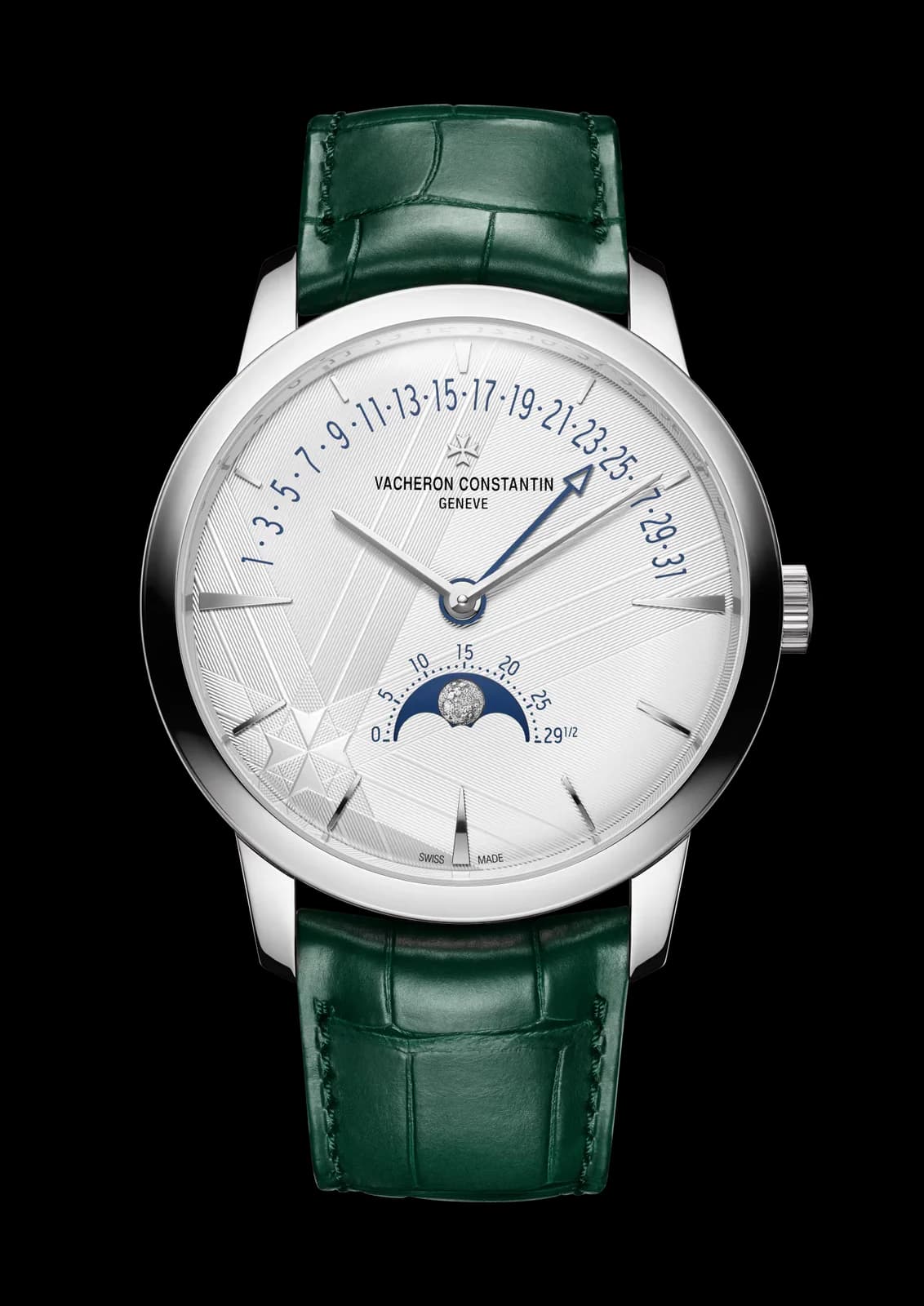
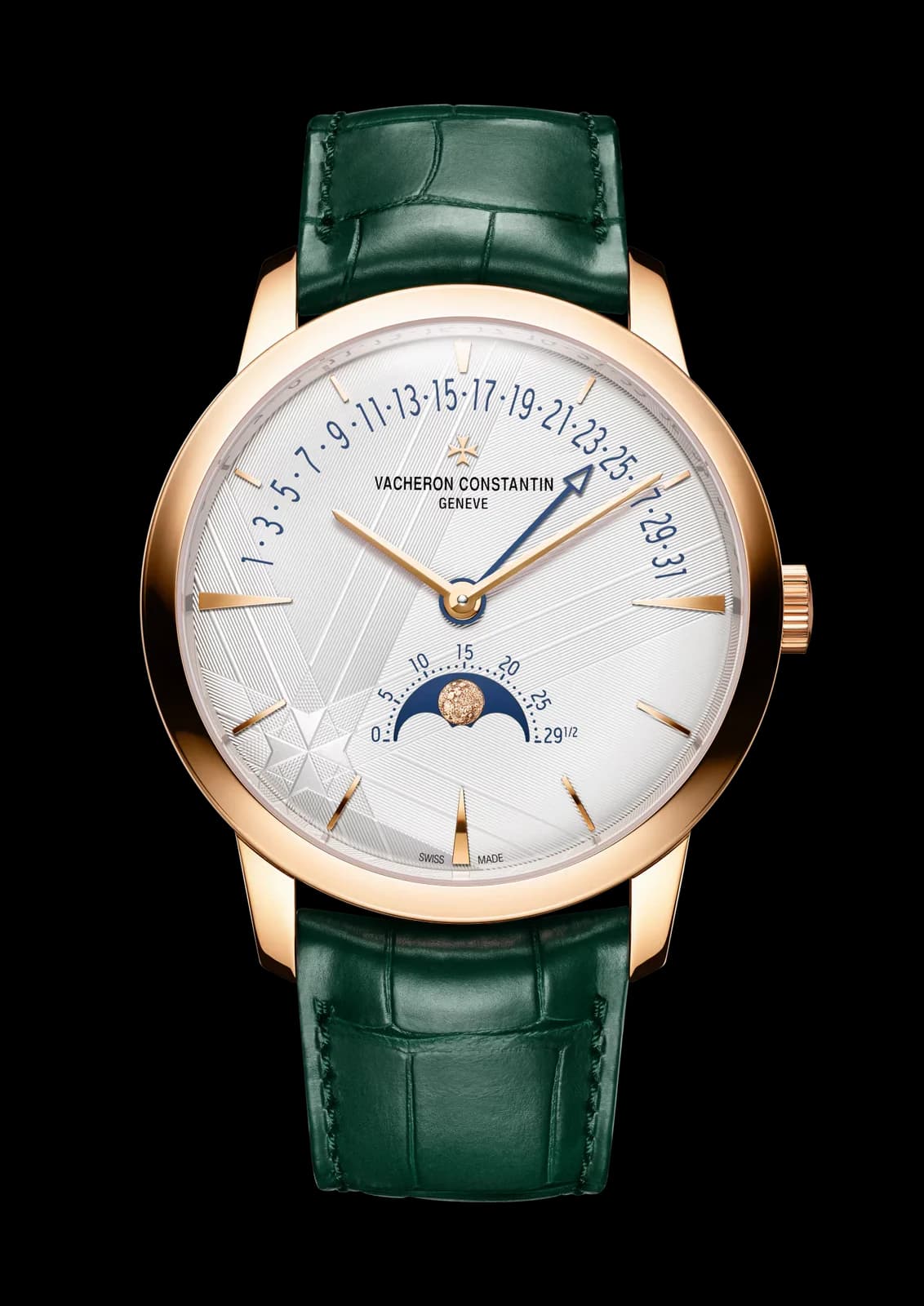
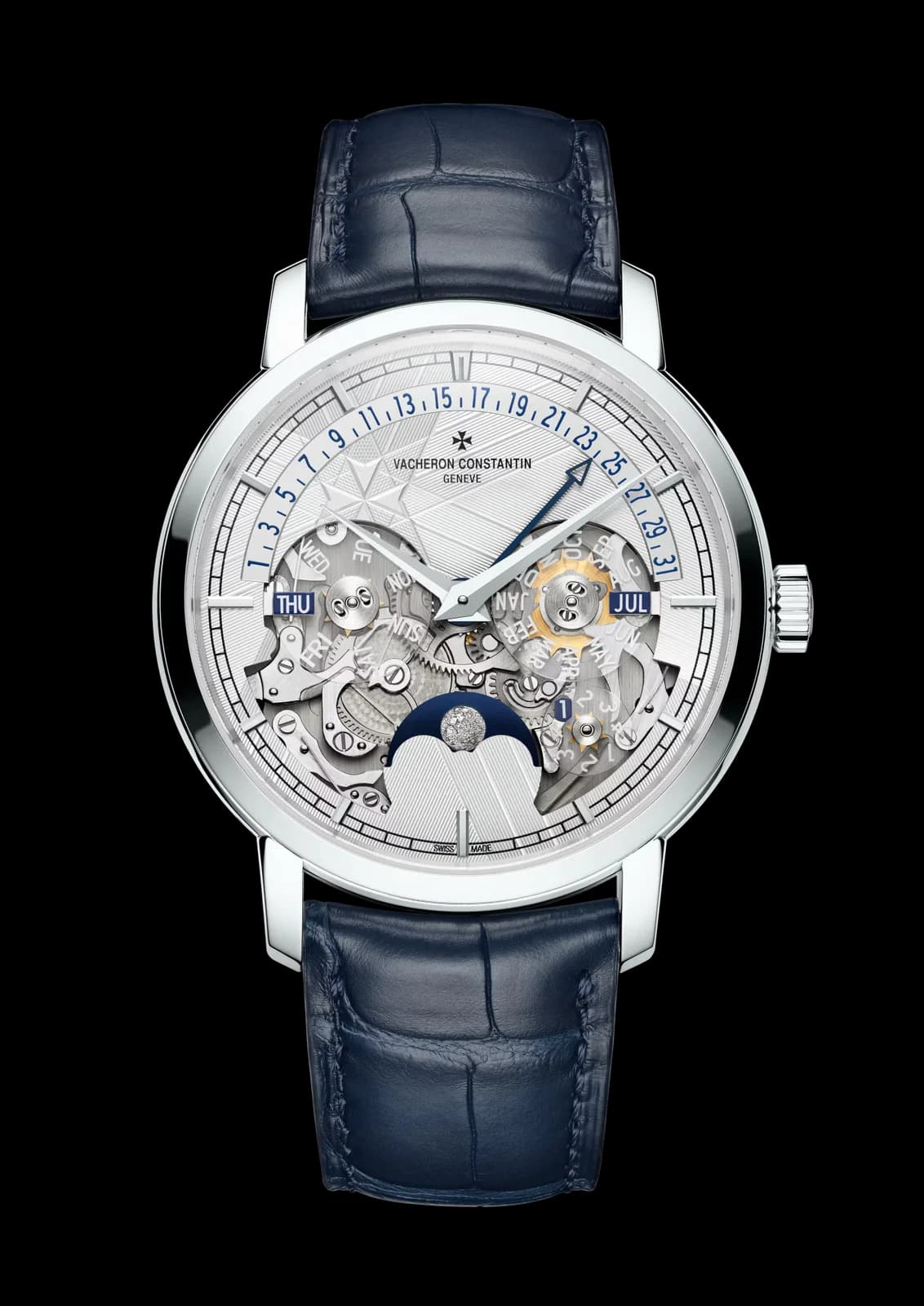
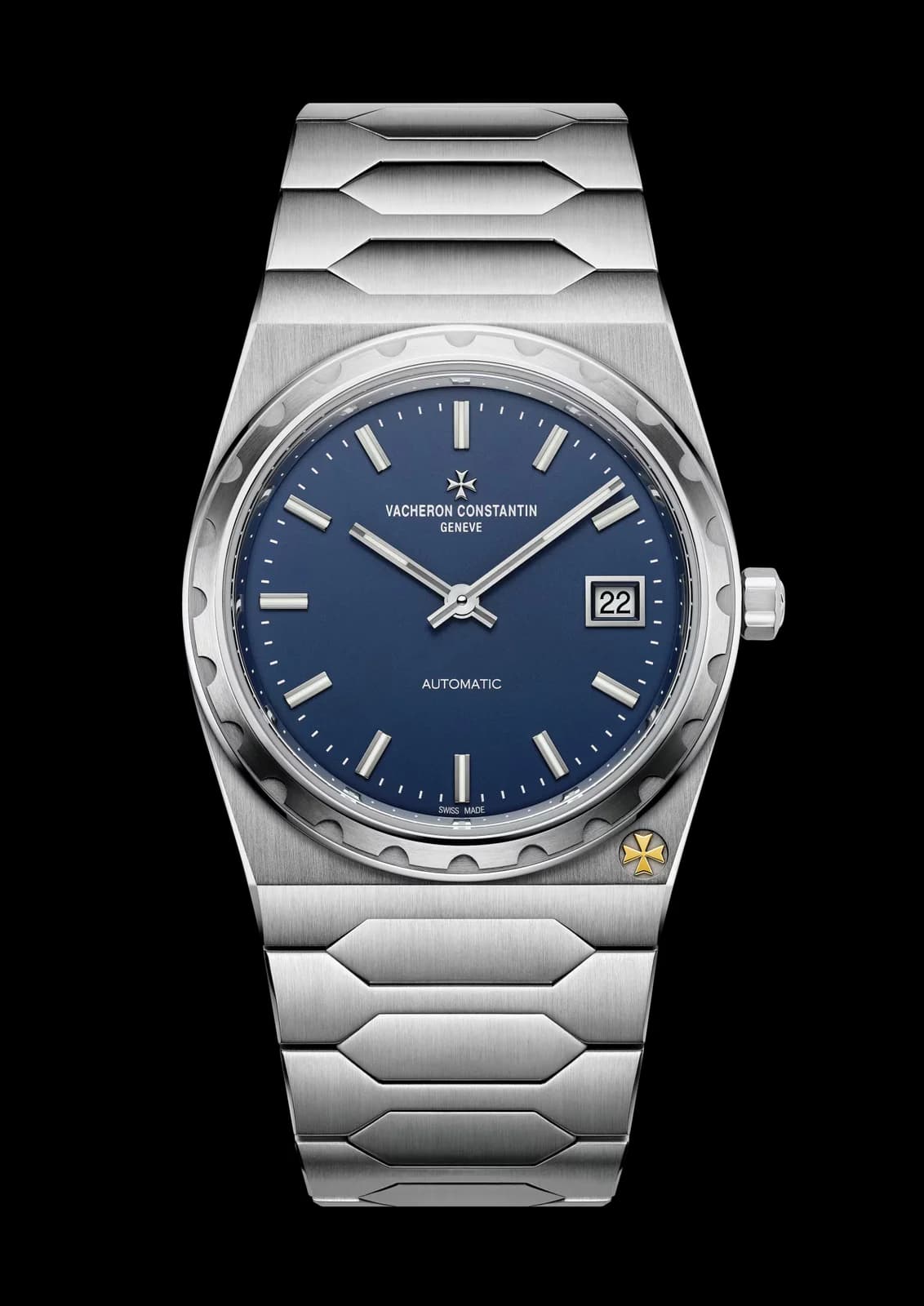
The Geneva Seal is the official seal of the city and canton of Geneva. In watchmaking, it certifies movements made there. It is given to wristwatches and pocket watches with outstanding finishing and decoration. For collectors, it shows that a movement comes from Geneva and has been judged on the quality and finish of its parts.
Where it comes from
The Republic and Canton of Geneva created the seal in 1886. Its legal basis was laid on 6 November that year. The law set up an office in the canton where Geneva watches could be inspected. Inspection was voluntary, so makers chose whether to send their watches. The enabling law was changed in 1891. Under the law, only watches may carry the seal.
How is a movement judged for the Geneva Seal?
A movement is judged on twelve criteria. Together they cover the quality and finishing of all its parts. The movement must also be made in Geneva, in either the city or the canton. A revised set of criteria took effect in June 2012. Since then, the rules go beyond the movement alone. They also cover how the complete watch works once the movement is fitted in its case.
Not to be confused with
The Geneva Seal is not the same as COSC chronometer certification. The two are tested in different ways, though their accuracy requirements are similar. A COSC certificate concerns the watch as a chronometer. The Geneva Seal also judges finishing and decoration, and it requires the movement to be made in Geneva. Watches from Vacheron Constantin and Chopard carry the Geneva Seal.
Checked