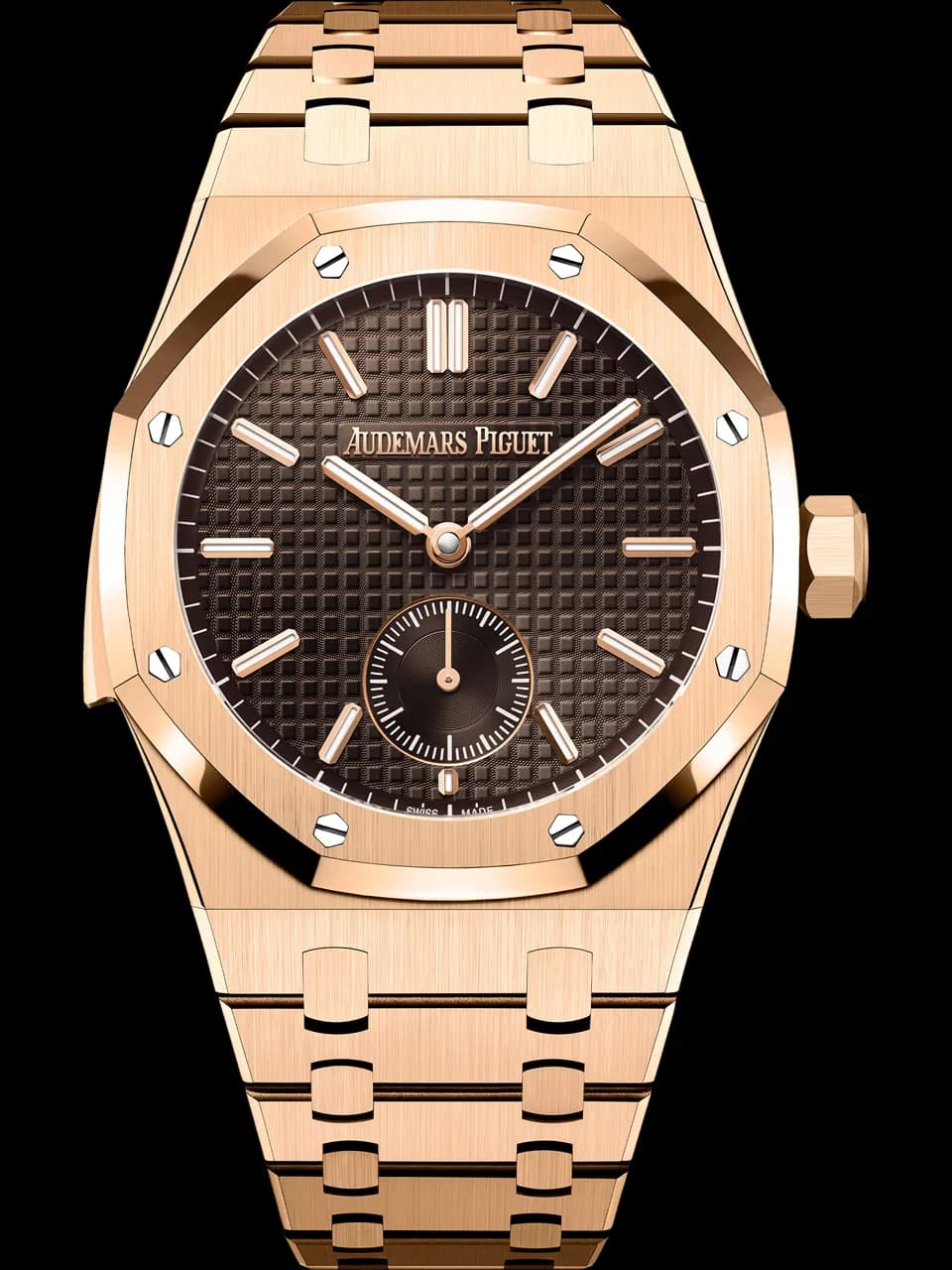
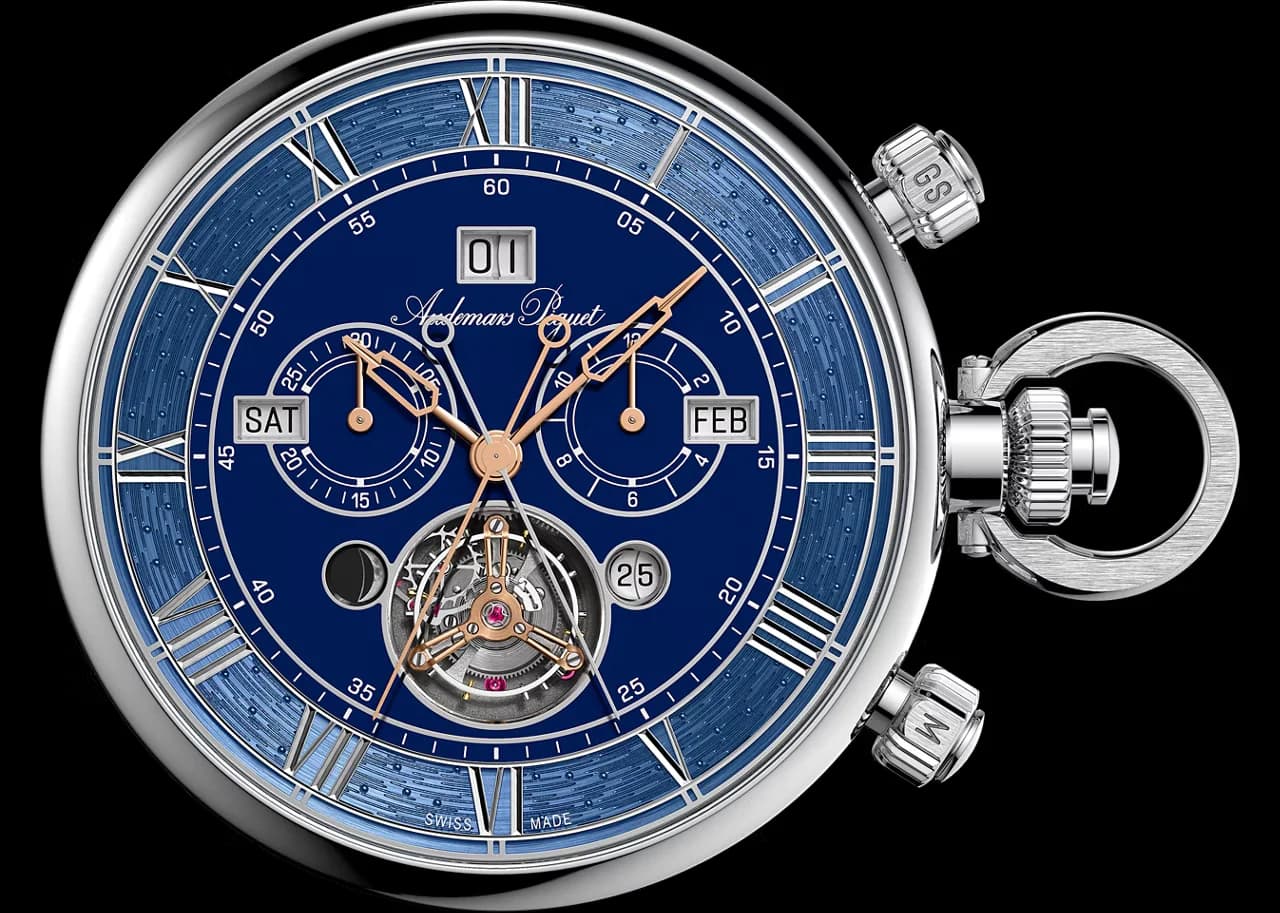
A minute repeater is a complication in a mechanical watch that sounds the time to the exact minute when the wearer presses a button. It uses different tones for the hours, the quarter hours and the minutes. Repeaters came about before artificial lighting was common, so people could tell the time in the dark.
How does a minute repeater work?
The wearer normally starts a minute repeater by pushing a slide on the side of the case. Almost every repeater has two gongs. These are the two ends of a single piece of wire, held in the middle. Usually the hours are struck first, as low tones. The quarters follow as paired high-low strikes. The minutes have a tone of their own, so each part of the time can be told apart by ear.
Where it comes from
Edward Barlow, an English clergyman and inventor, invented the repeating clock in 1676. In 1687 the watchmaker Daniel Quare received the first patent for a quarter repeater. In 1783 Abraham-Louis Breguet became the first to use gong springs in place of bells. Audemars Piguet made the first minute repeater movement for a wristwatch in 1889, for Louis Brandt. Some repeaters, known as dumb repeaters, made no audible chime. They gave out vibrations instead.
Not to be confused with
A striking clock sounds the time on its own. A repeater sounds only when the user asks it to. The grande sonnerie and the petite sonnerie are related chiming complications. They sound the hours and quarters automatically as they pass. A minute repeater stays silent until the wearer sets it going, usually by pushing the slide on the side of the case.
Checked