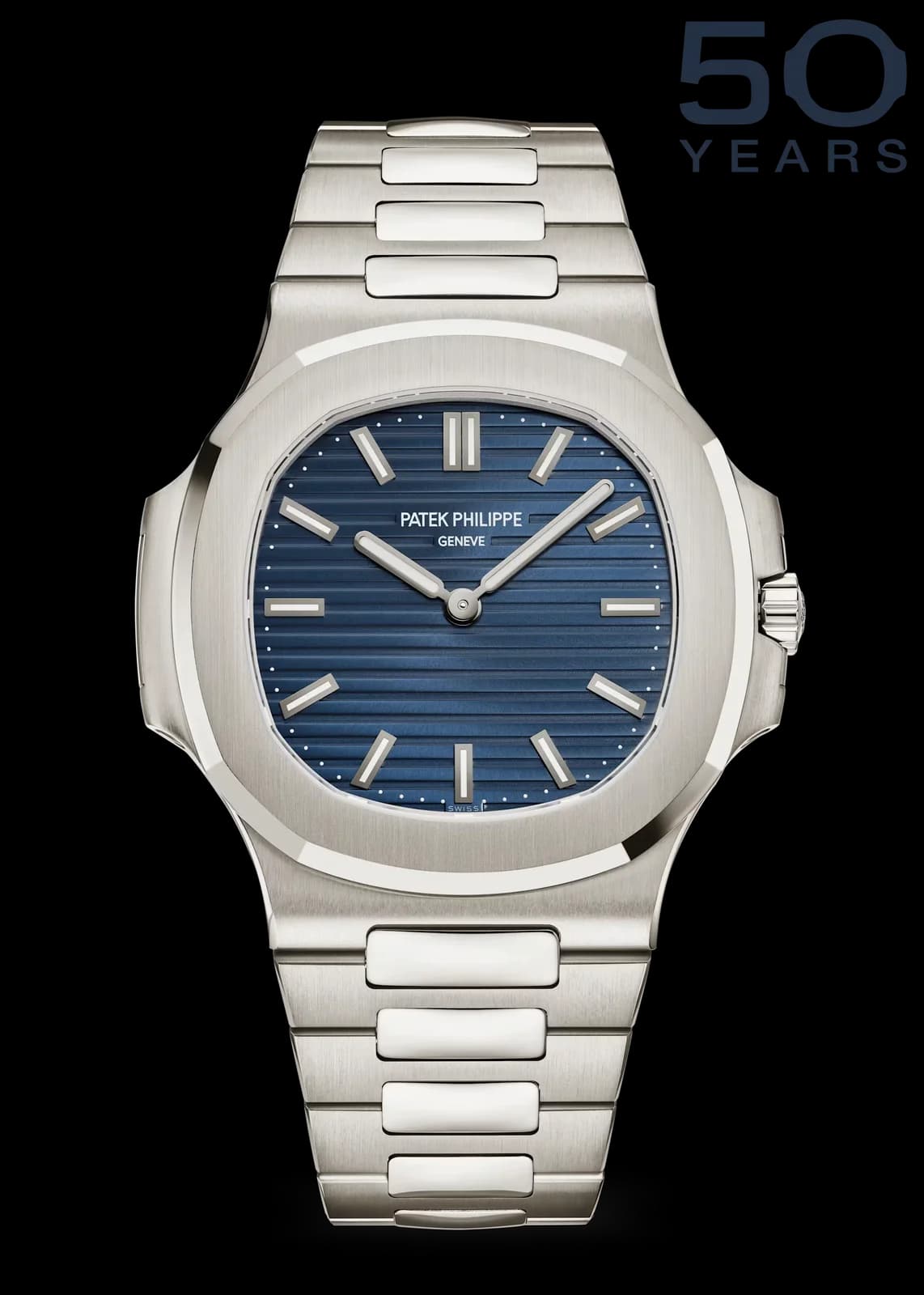
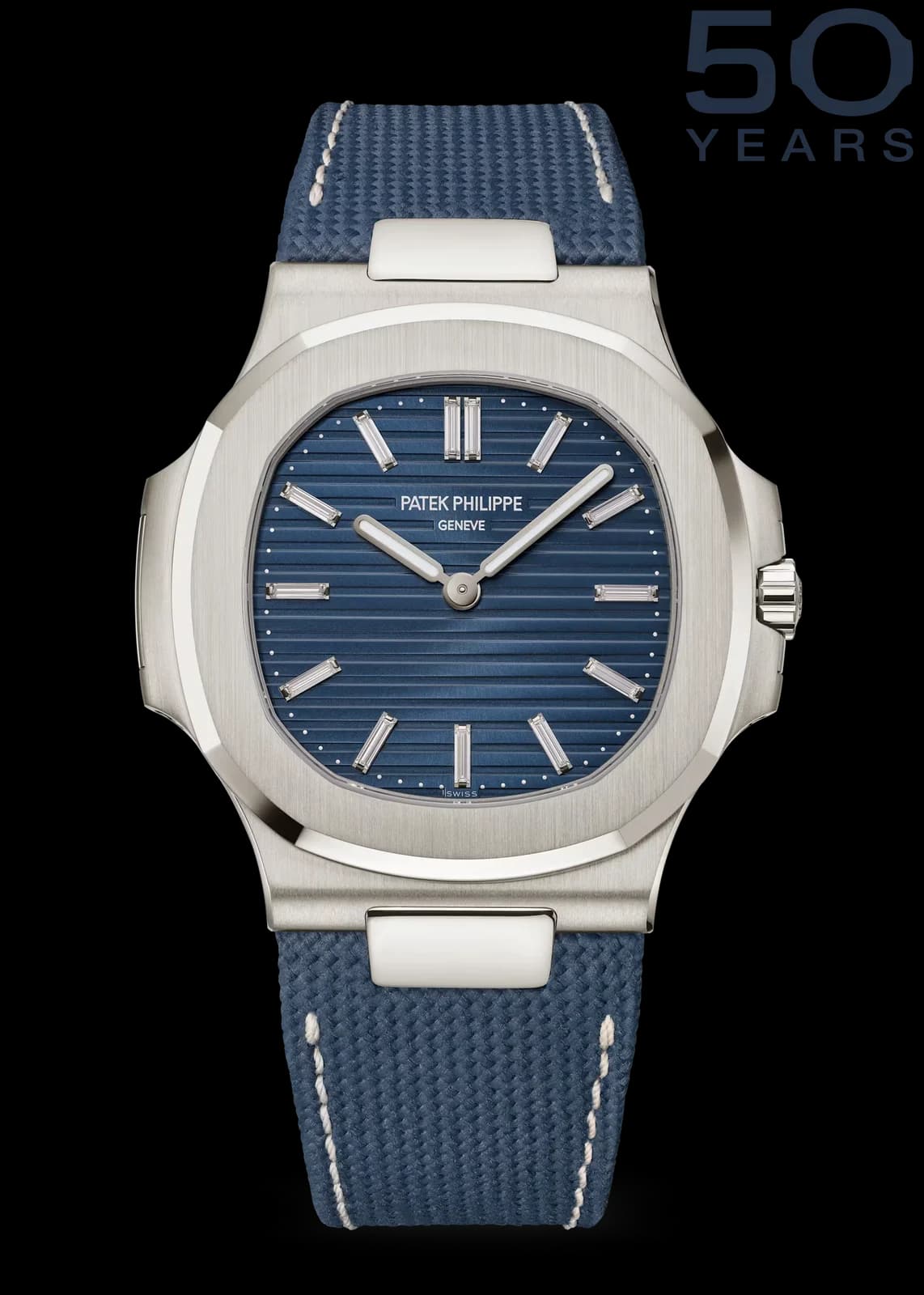
An octagonal case is a watch case with eight flat sides. That gives it a shape between round and rectangular. Cartier made such cases in the early 1900s. Audemars Piguet’s Royal Oak, launched in 1972, broke with convention partly through its eight-sided bezel.
How does an octagonal case wear?
The eight flat sides give the case an angular, sporty look. It is often paired with an integrated bracelet, one built to join the case directly. The shape has a practical downside. Its edges can stick out, and they may catch on a shirt cuff. Watches from Patek Philippe and Audemars Piguet have this shape.
Where it comes from
Cartier was already making octagonal cases in the early 1900s, alongside its other non-round case shapes. On Cartier London’s Octagonal, each flat side meets the next at an angle of 135 degrees. That keeps the case compact and close to symmetrical. The cases for this watch came from the Wright & Davies workshop in Clerkenwell. Eric Denton fitted and finished the movements at New Bond Street.
Who designed the Royal Oak and the Octo?
Audemars Piguet launched the Royal Oak in 1972. It broke with convention through a steel case, an eight-sided bezel and a Tapisserie dial. Gérald Genta based the design on a deep-sea diving helmet. His sketch showed a rounded eight-sided bezel, held by eight visible hexagonal screws. Genta also designed the first Bulgari Octo, in the 1980s. Bulgari’s own design team later redesigned it completely. The Octo case has 110 facets, and each one is polished or brushed by hand.
Checked