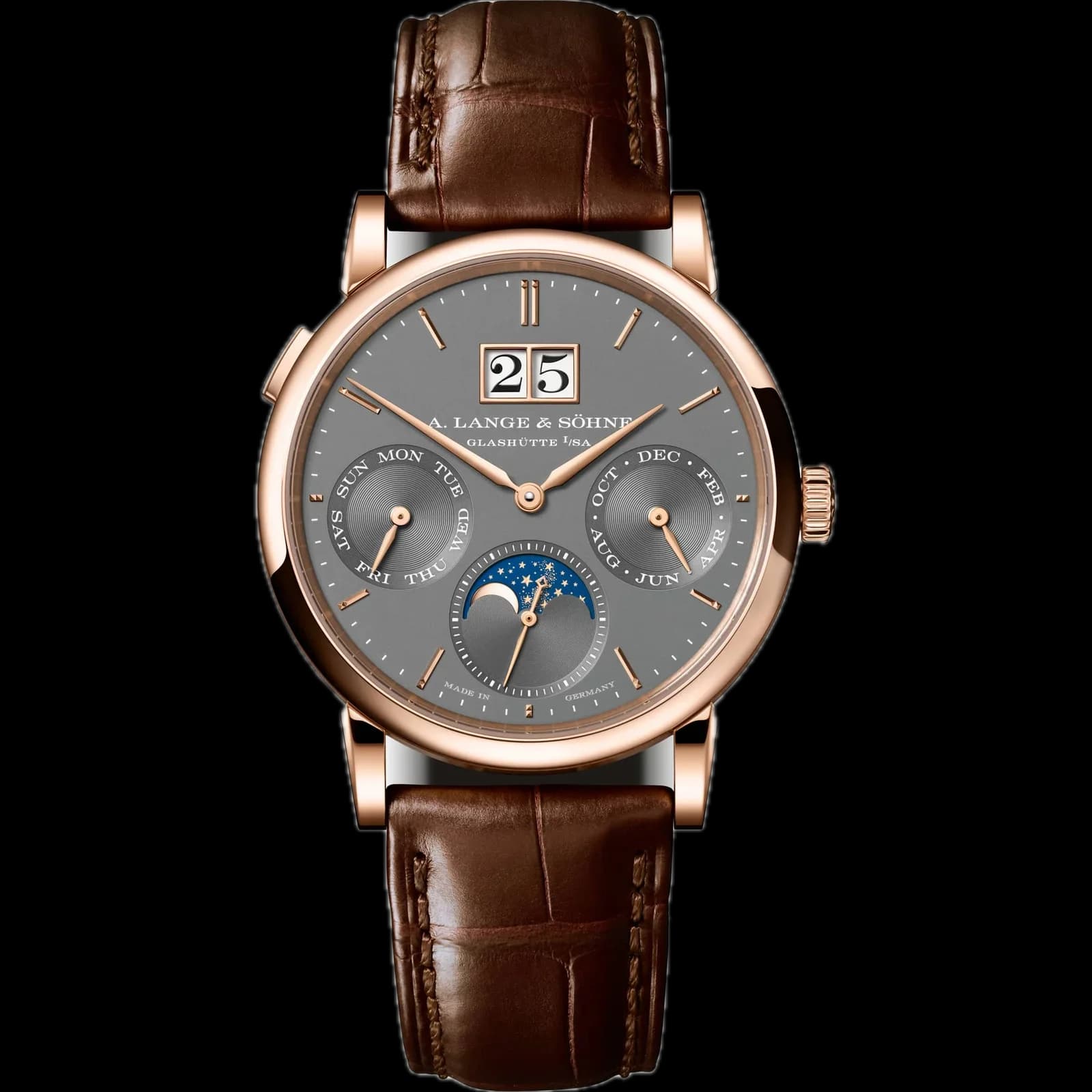
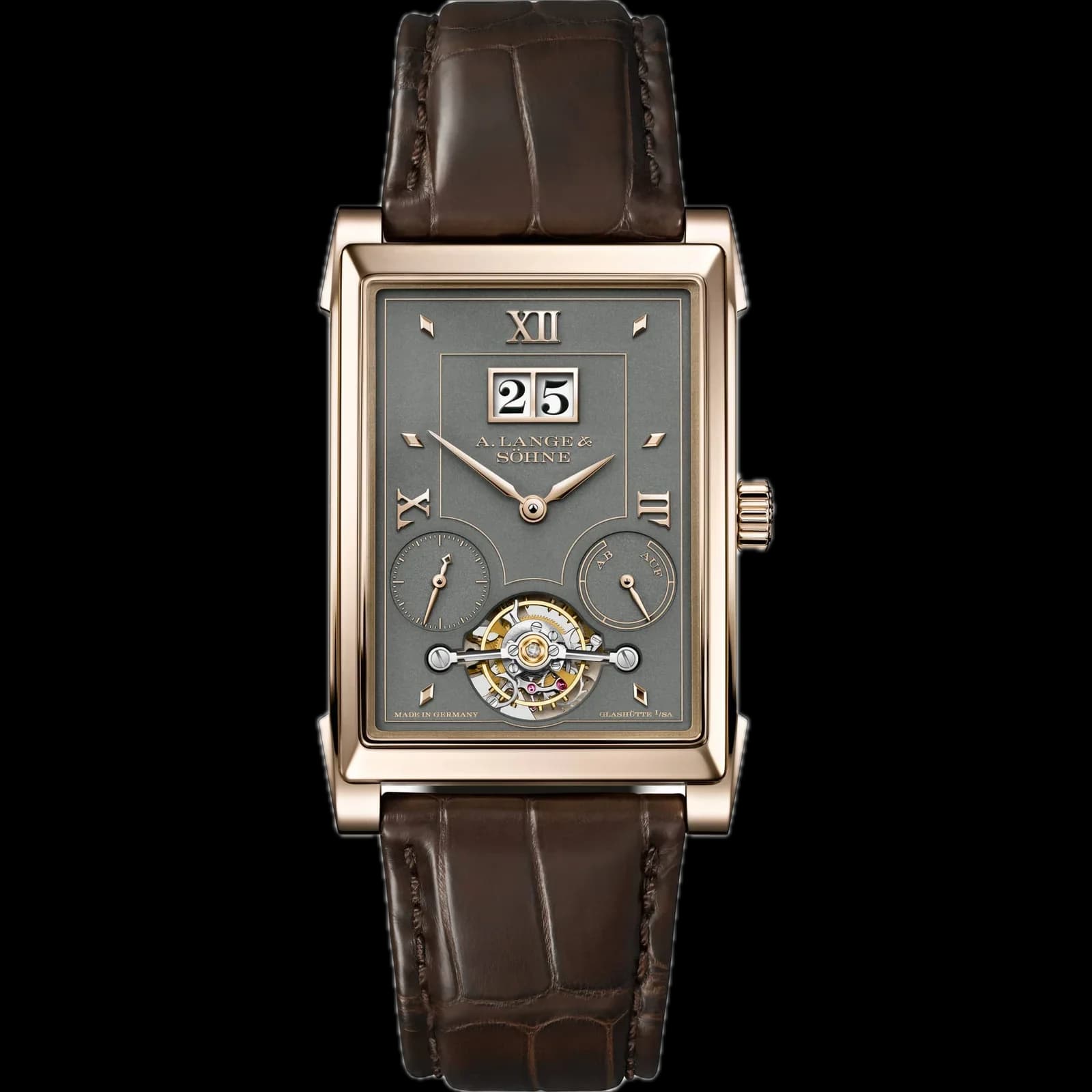
A pin buckle is a strap closure in which a metal pin, called the tang, passes through one of the holes punched in the strap. It is described as the oldest watch strap closure and the one found most widely. It is still the usual closure on leather, rubber and textile straps.
How does a pin buckle work?
The buckle is built around a frame. This is a square or angled metal piece with one open end. A spring bar or screw closes off that end, and the tang is attached to it. The end of the strap goes through the buckle’s loop. The tang then passes through a hole and holds the strap in place. The whole thing is shaped much like a belt buckle. Some buckles have two tangs instead of one. The buckle on the Hamilton Khaki Field is one example.
What are the drawbacks of a pin buckle?
Each time the watch goes on or comes off, the strap is bent and fastened again. Over time, this makes the strap wear out faster. The design also limits where the buckle can be used. Because of how it is built, a tang buckle fits only a strap. It cannot be used on a metal bracelet. For bracelets, the deployant buckle is the better choice. The two closures are still used side by side today.
Which watches use a pin buckle?
A. Lange & Söhne, Panerai and Oris all fit pin buckles to their watches. Panerai’s use goes back a long way. Its brushed GPF Mod Dep buckle was used on the brand’s leather straps from as early as the 1940s. Hamilton’s Khaki Field shows the two-tang version. On straps made of leather, rubber or textile, the pin buckle is the usual closure.
Checked