A folding clasp is a buckle that holds a strap or bracelet closed around the wrist. It folds into three parts, so the band opens wide enough to slip the watch on or off. The watch goes on and off without the strap being undone completely.
How does a folding clasp work?
A pin buckle needs the strap threaded through it every time. A folding clasp works differently. Two hinged metal arms fold flat against the strap and lock with a small clasp. To take the watch off, you release the clasp. The arms unfold and the strap opens, with nothing to unthread. The band then slides over the hand. To put it back on, you fold the arms flat again and lock the clasp. The strap stays at the same length throughout.
What are the pros and cons of a folding clasp?
Once a folding clasp is set to the right length, the strap no longer has to be done up and undone every day. That makes the strap last longer. It also means there is no need to undo the strap fully each time the watch comes off. One downside is that the folded-over parts can feel bulky under the wrist.
Where it comes from
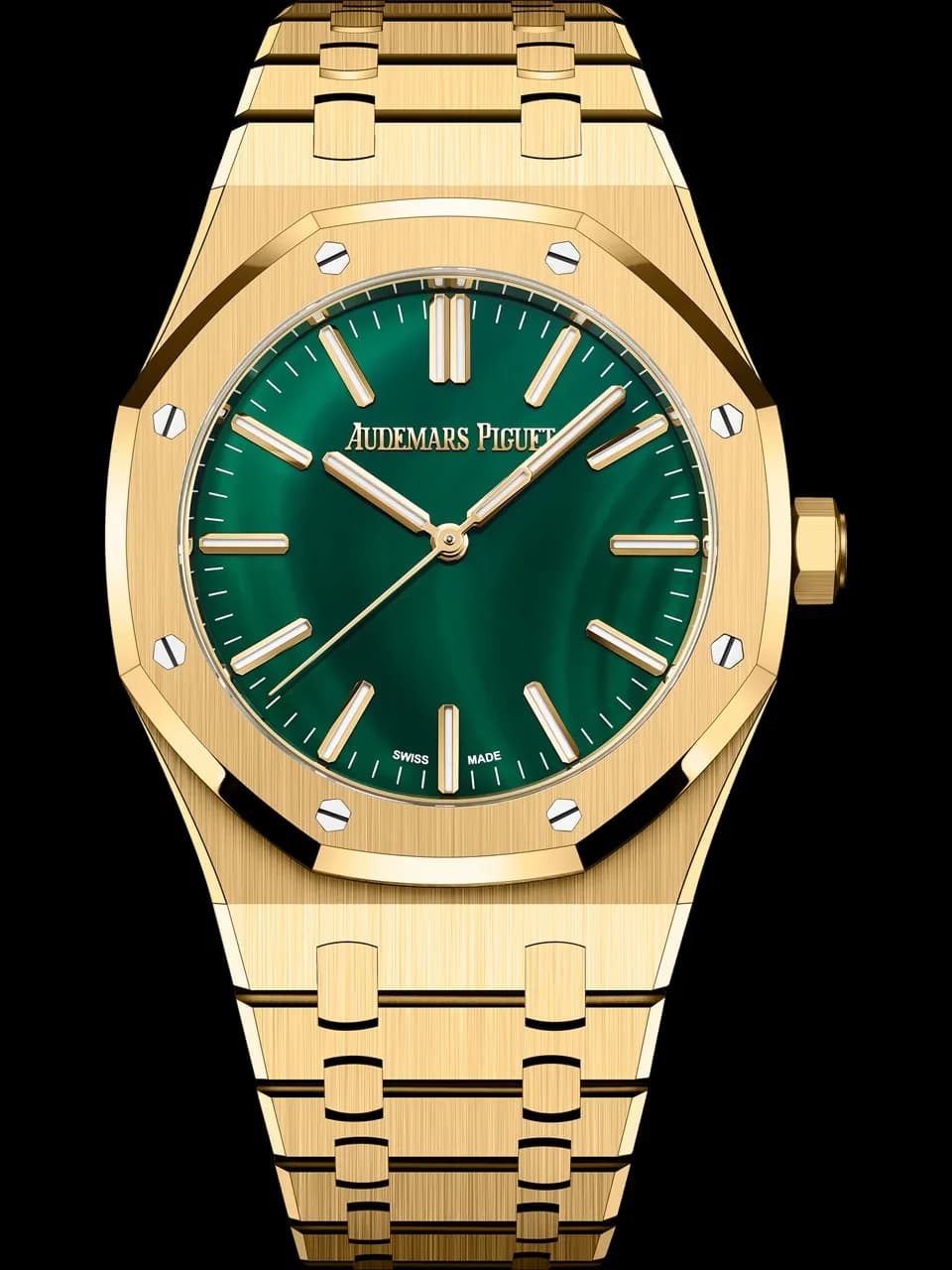
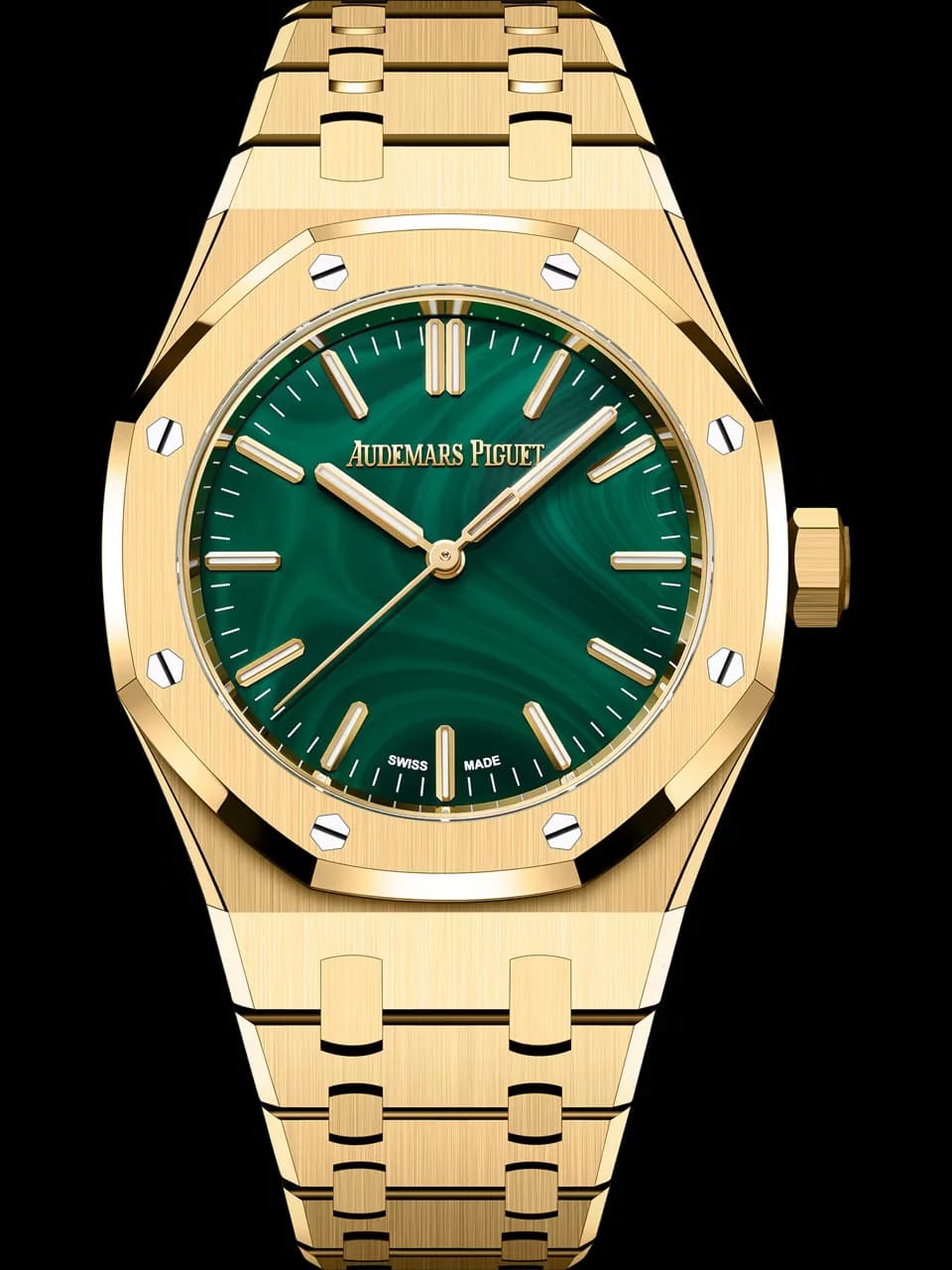
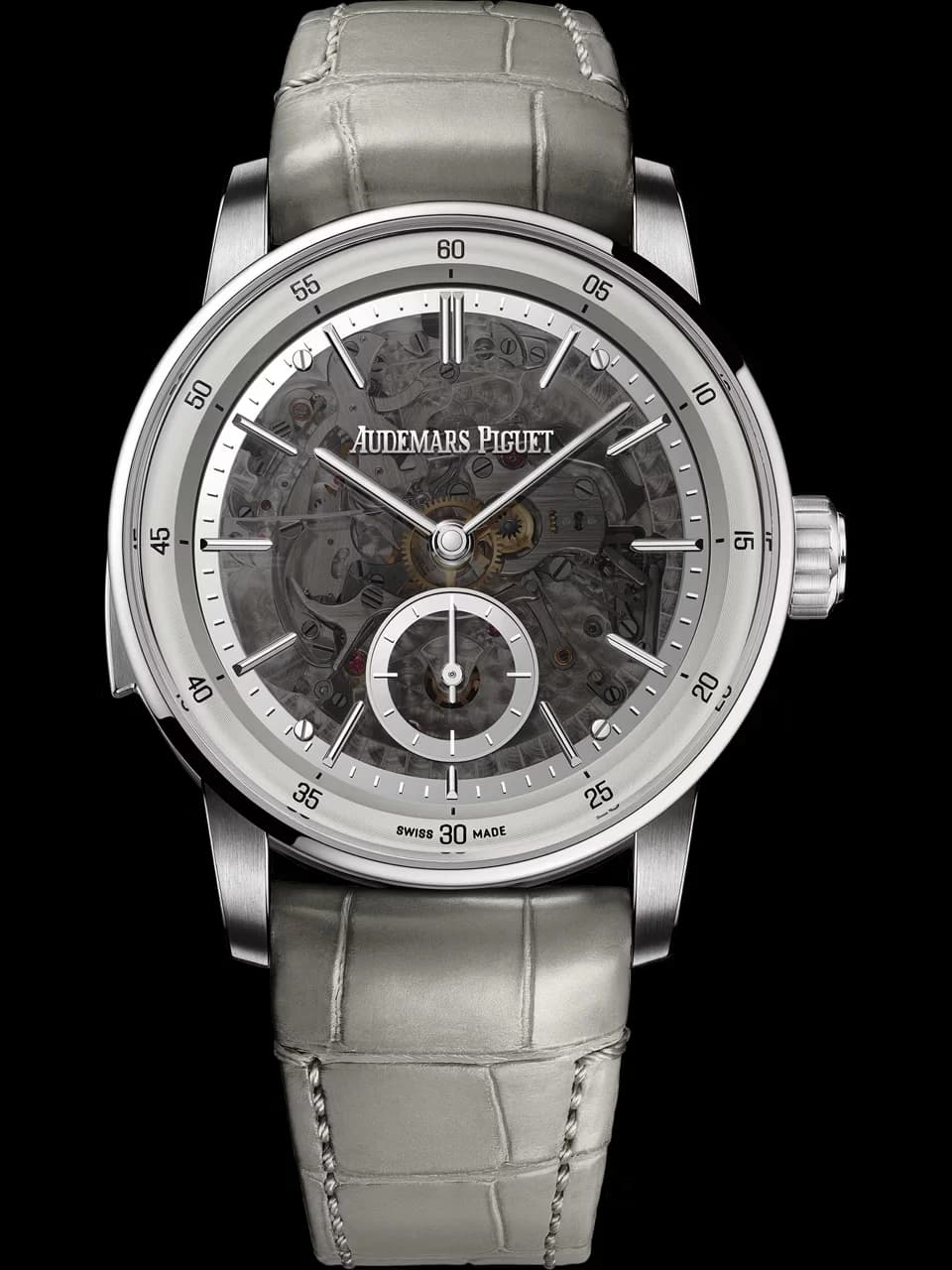
The clasp was originally called the bouclé déployante. It first appeared on the Cartier Santos in 1911. It is still in use. Folding clasps are often found on metal watches, but the same mechanism can close a strap as well as a bracelet. Today, watches from Oris, Audemars Piguet and Breitling all have them.
Not to be confused with
A butterfly clasp is a different design. It opens in two directions. It is mostly used on integrated metal bracelets. The names cause confusion too. Folding clasp and deployant clasp are often used for the same thing, but not every folding clasp counts as a deployant clasp. So the two terms overlap without being exact matches.
Checked