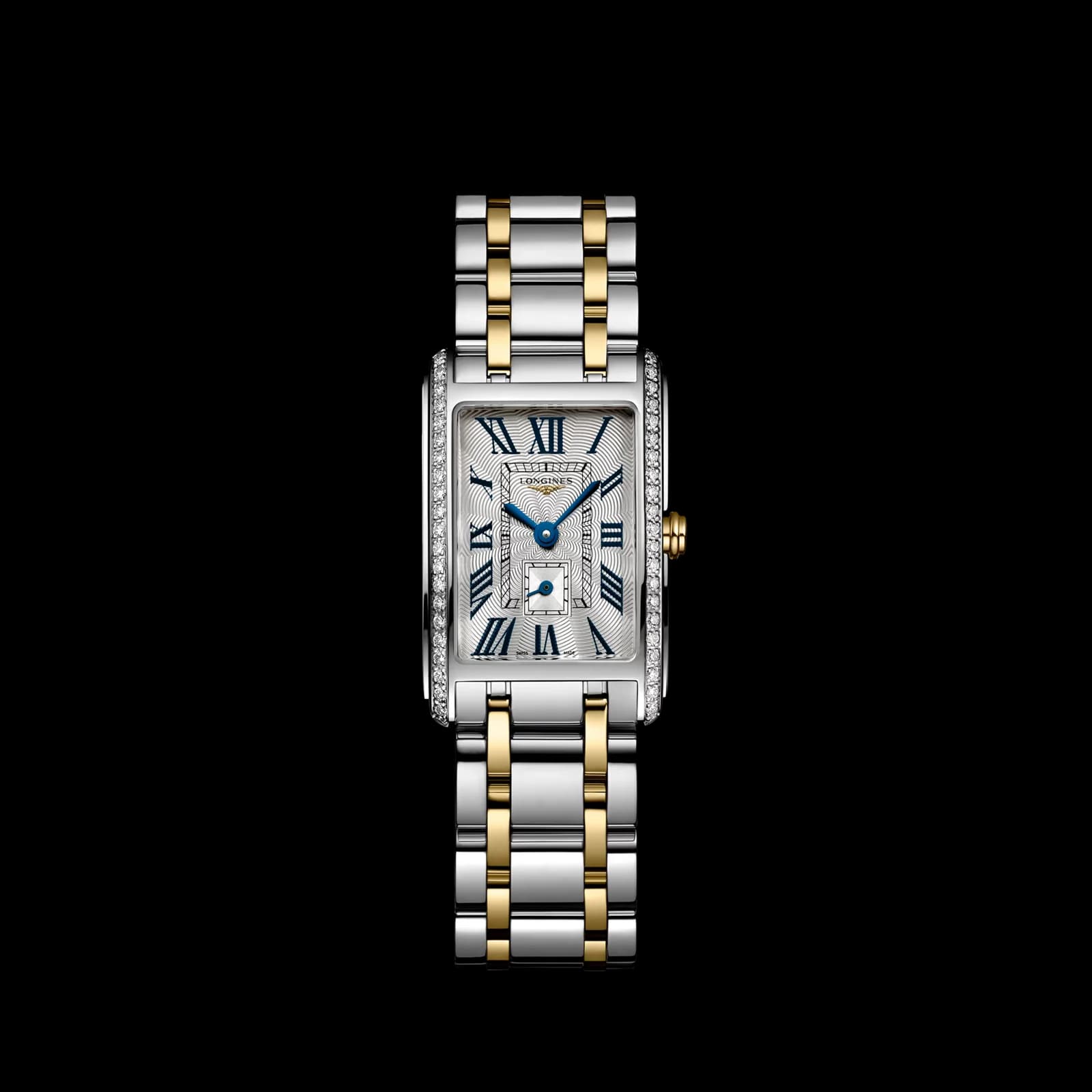
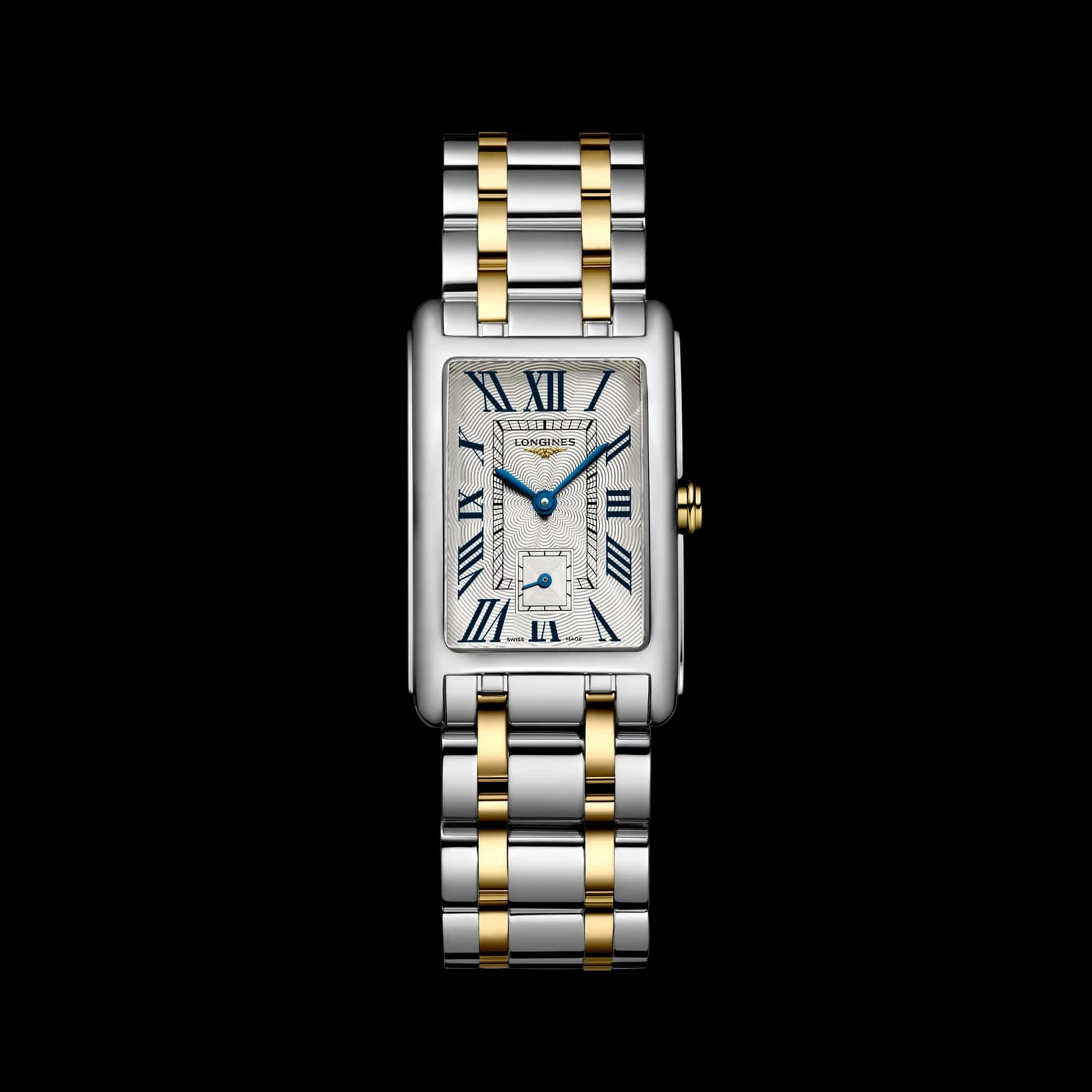
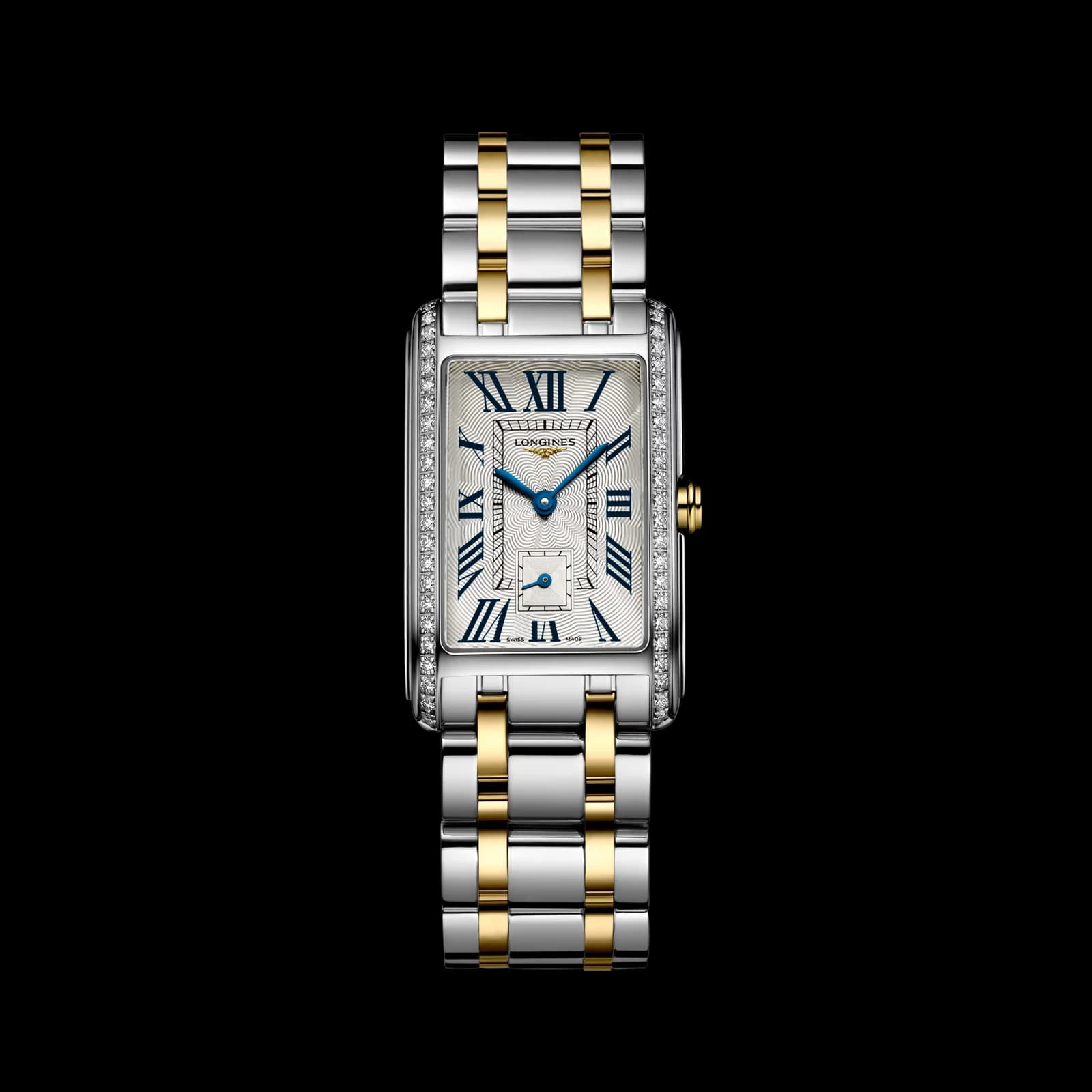
Printed indices are hour markers made of a thin, flat layer of ink on the dial, rather than separate parts fixed to it. They go on with the same printing process as the rest of the dial text. Because they sit level with the dial and have a matte finish, they cast no shadow and reflect no light.
How are printed indices made?
Most are pad printed. The method is also called tampography. In the watch industry it often goes by tampon printing, from a French word for pad, or transfer printing. A soft silicone pad lifts ink from an etched plate, then presses it onto the dial. Once the solvents evaporate, the ink layer is only about 8 microns thick. Luminous paint is usually a separate step. On most printed dials it is added by hand or by machine, either over the printed shapes or inside them.
Where are printed indices used?
They are common on field, dive and tool watches. On these, being easy to read counts for more than a showy dial. A printed marker lies flat against the dial and keeps a matte finish, so nothing on it catches the eye except the shape itself. Watches from Longines, Jaeger-LeCoultre and Laurent Ferrier have them.
Where it comes from
No single inventor of pad printing is known, and the process has been around for a long time. It first took hold in watchmaking after the Second World War. Watch dials were among its first widespread uses. Because the same method prints the other text on a dial, the hour markers share a process with the names and words printed beside them.
Not to be confused with
Applied indices are a different thing. They are separate metal pieces fixed to the dial, and they stand above its surface. A printed index has no such height. It is a layer of ink about 8 microns thick, lying flat on the dial. The applied kind is a part in its own right. The printed kind is simply part of the dial’s printing, made in the same way as its lettering.
Checked