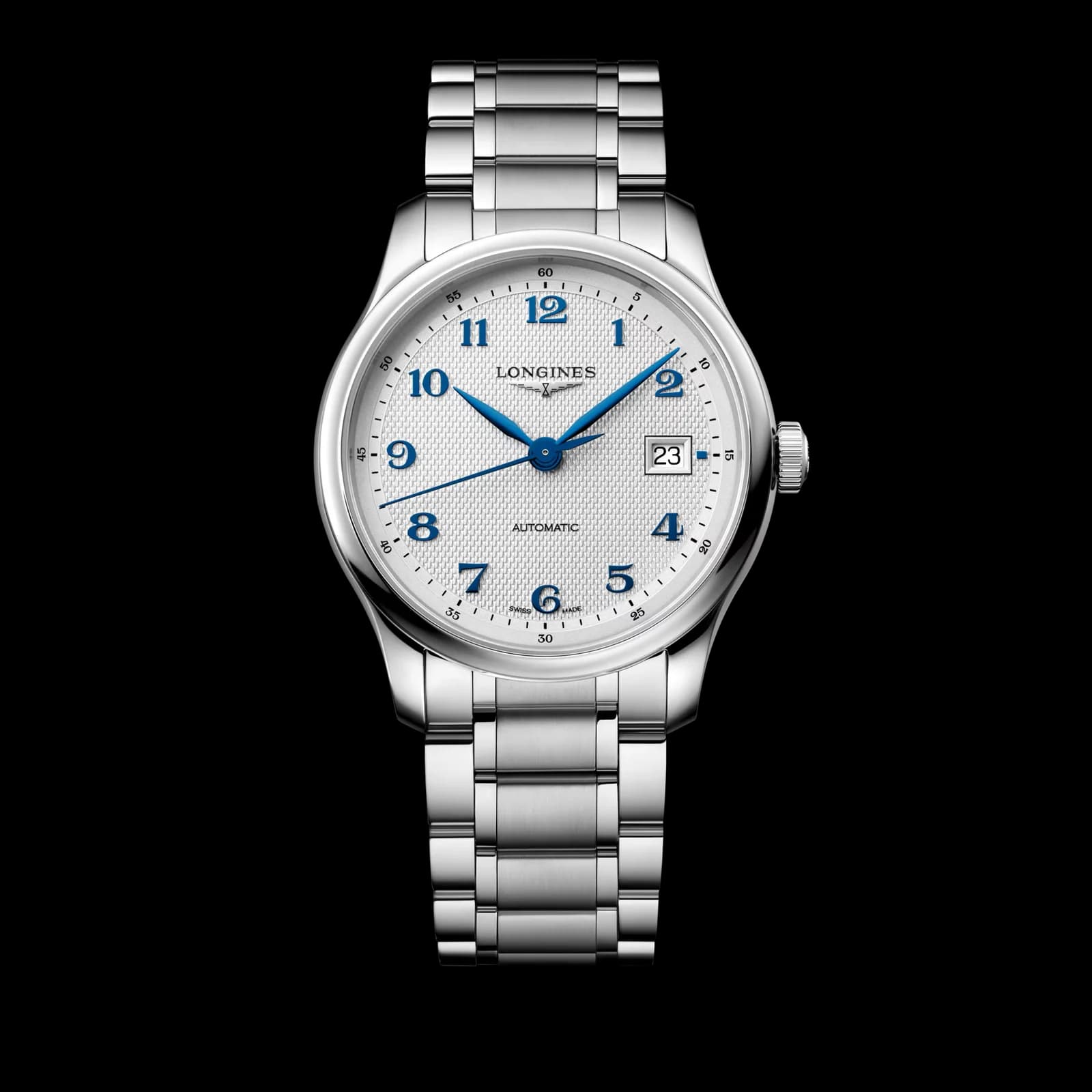
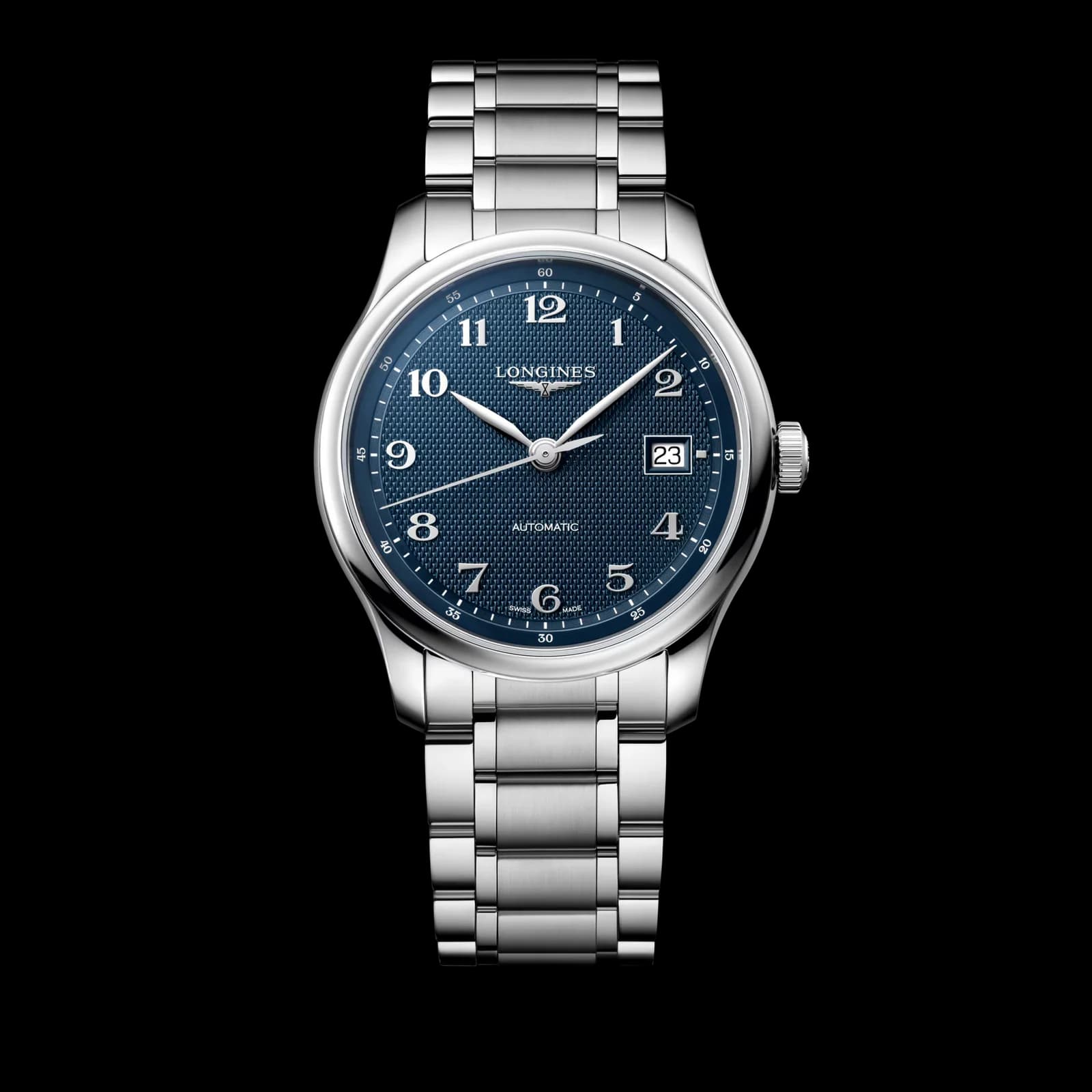
Applied indices are hour markers made as separate metal parts and fitted to the dial, rather than printed on it. They stand proud of the surface, so they catch light and cast a shadow. They take extra production steps and cost more, so they are seen as a sign of higher quality.
How are applied indices made and fitted?
Each marker is produced one by one, by stamping or machining. Stainless steel, gold, silver, platinum and titanium are the usual materials, because they last well. Holes are drilled in the dial beforehand. A common method is to press metal feet into those holes. These friction pins are known as dial feet. Some markers are held with very small screws instead. Lighter markers, or markers without feet, can be glued straight onto the dial surface. Since about 2020, some markers have been machined directly from solid blocks of luminous material.
Not to be confused with
Printed indices are ink markers. They are pad-printed flat on the dial in the same step as the rest of the dial text. A printed marker sits flush with the dial and has a matte finish. It does not reflect light or cast a shadow. An applied marker is a raised metal part, so it does both. Printed markers also skip the drilling, fitting of feet and riveting that applied markers need. Those extra steps are why applied markers cost more.
What do applied indices look like?
An index-type applied marker is a stick or a triangle that marks an hour. It is fitted to the dial to give a three-dimensional look. Because it stands proud of the dial, it reflects light and casts a shadow. Applied markers can also hold luminous material. Their raised metal surround leaves more space to fill than a flat printed marker, so applied indices usually carry more luminous material than printed ones. Applied indices appear on watches from Audemars Piguet, Longines and Patek Philippe.
Checked