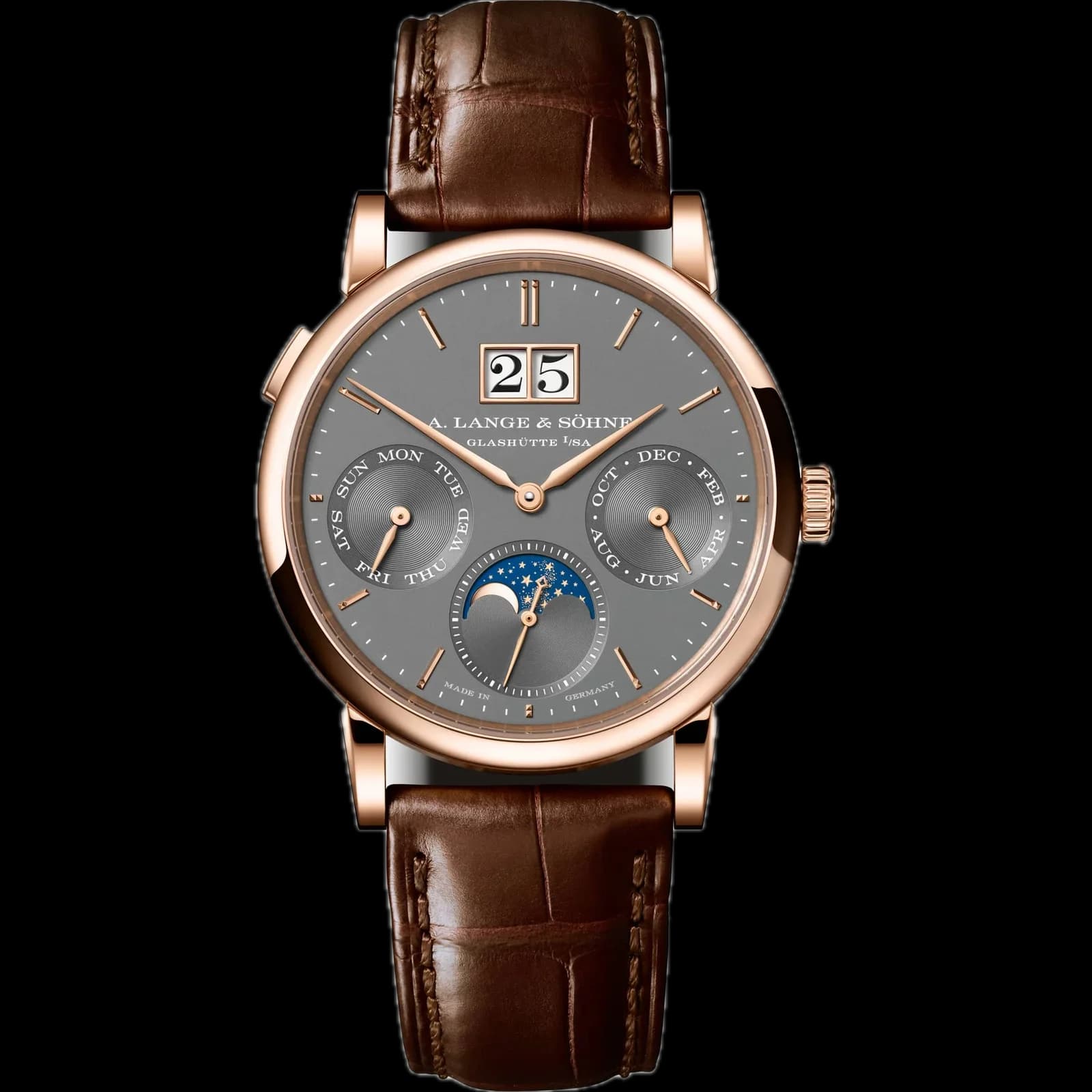
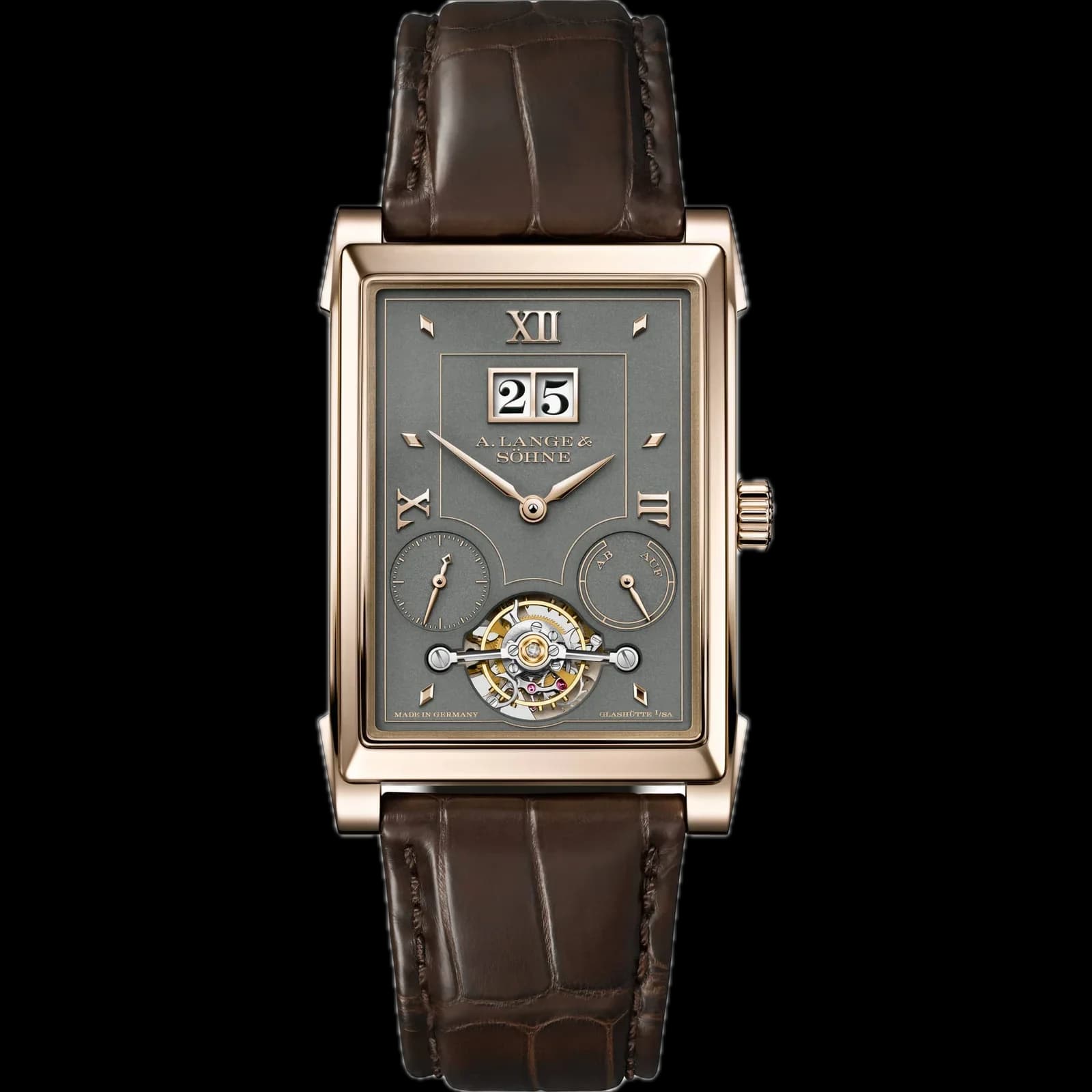
Small seconds is a layout that shows the seconds on a separate sub-dial, away from the centre of the main dial, rather than with a central hand. It dates back to 18th-century pocket watches. It is quieter than a central seconds hand sweeping the whole dial.
How does small seconds work?
In a watch with small seconds, the seconds hand sits on its own sub-dial, also called a sub-register. The hand is driven by the fourth wheel, which sits away from the middle of the dial. Showing the seconds where that wheel already sits keeps the design simple. The sub-dial most often sits at 6 o’clock. It can also be placed at 9 or 3 o’clock, or in another off-centre position.
Where it comes from
The layout is traced back to pocket watches of the 18th century. In those movements the seconds wheel was off-centre, so the simplest solution was to show the seconds on a separate sub-dial. The first wristwatches used pocket-watch movements that had been made smaller or adapted, and they kept the same layout. Between the 1930s and 1950s, small seconds also became established on refined dress watches.
Not to be confused with central seconds
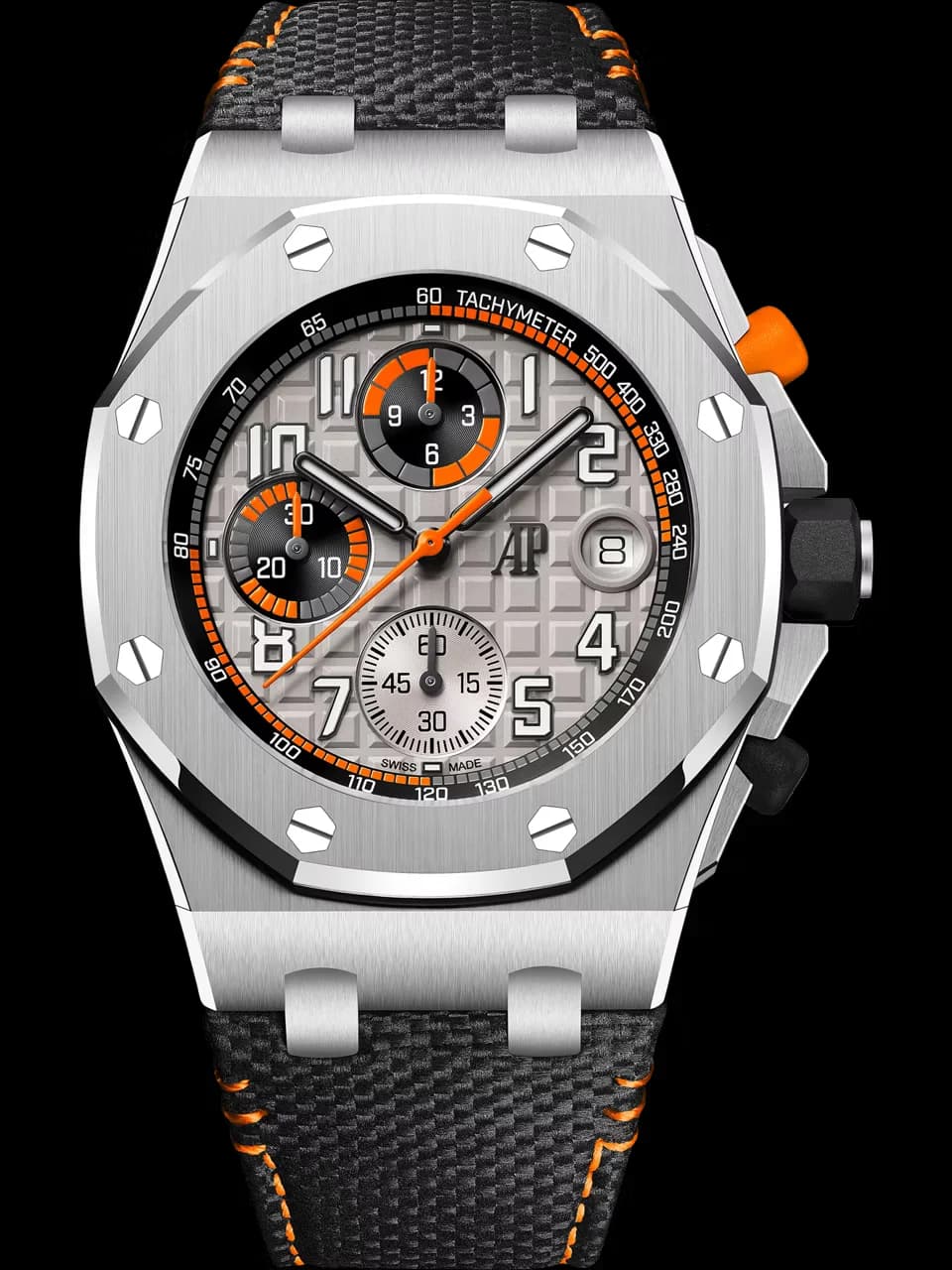
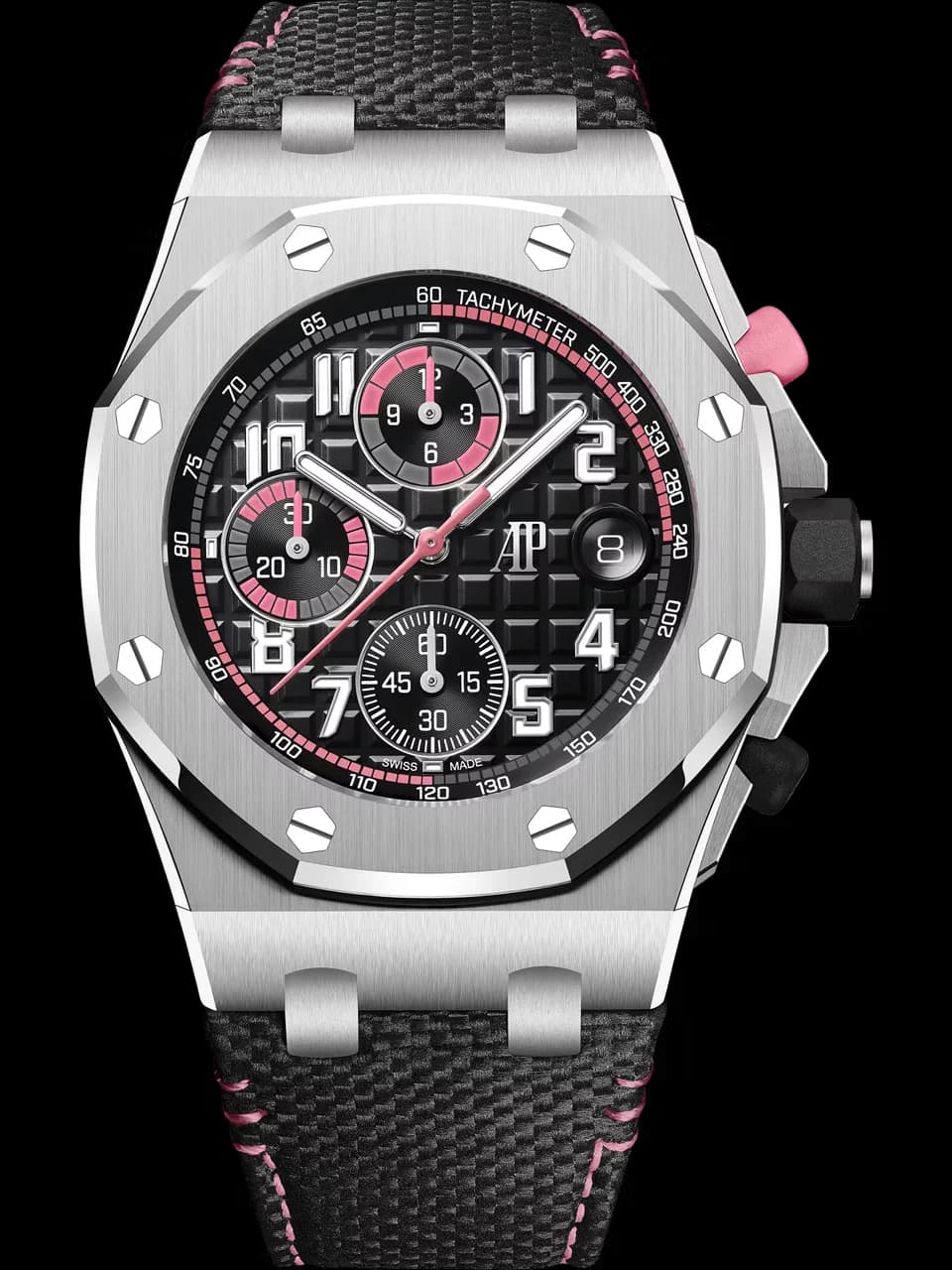
With central seconds, the seconds hand is mounted at the centre of the dial. The power from the fourth wheel, which turns once a minute, has to be carried back to the centre through extra gearing. That gearing adds complexity and friction, and it needs careful regulation. Central seconds are easier to read and better for timing short intervals. The hand also stands out more, because it sweeps the whole dial. Small seconds is more understated, and it came to stand for refinement and restraint.
Checked