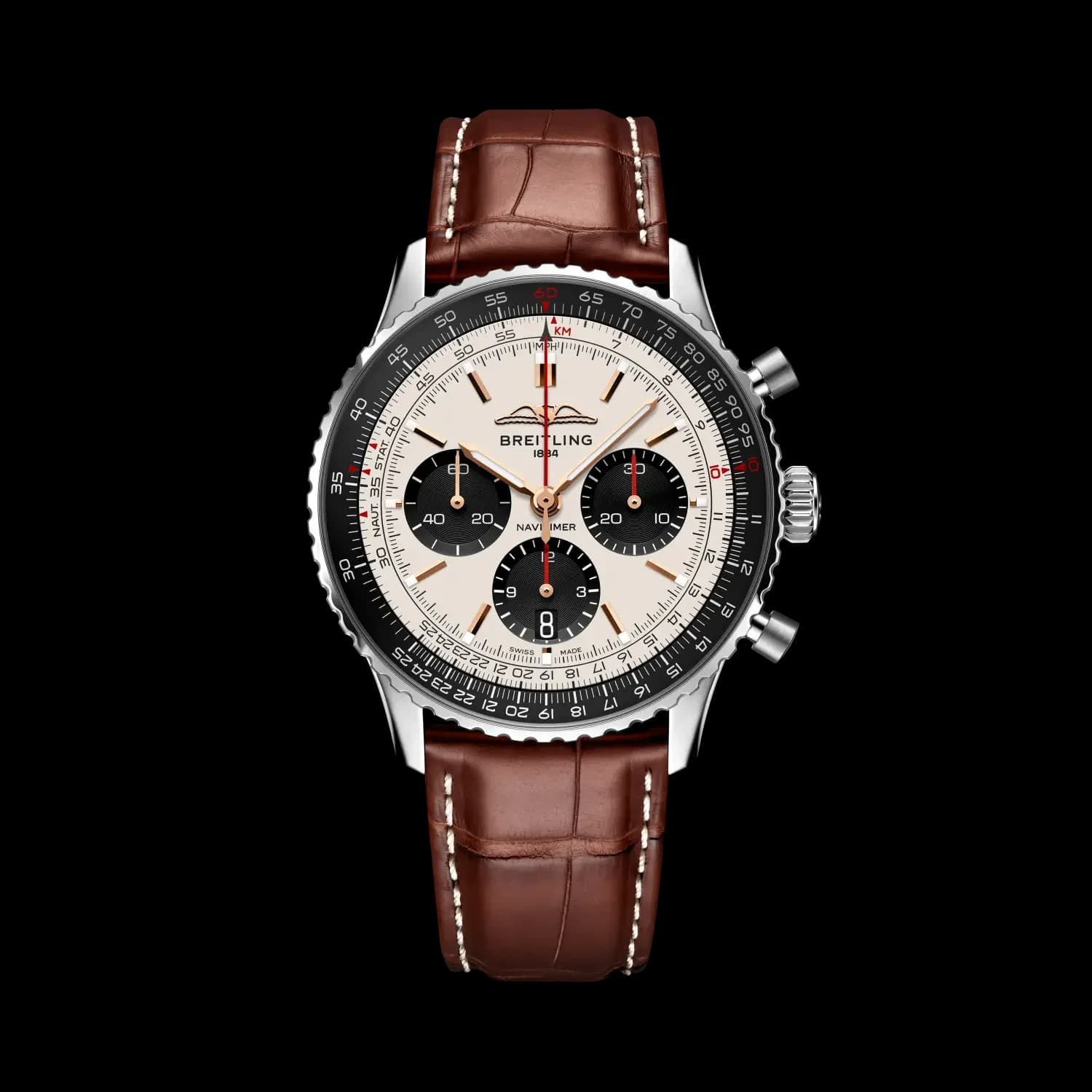
Why are syringe hands used on sport watches?
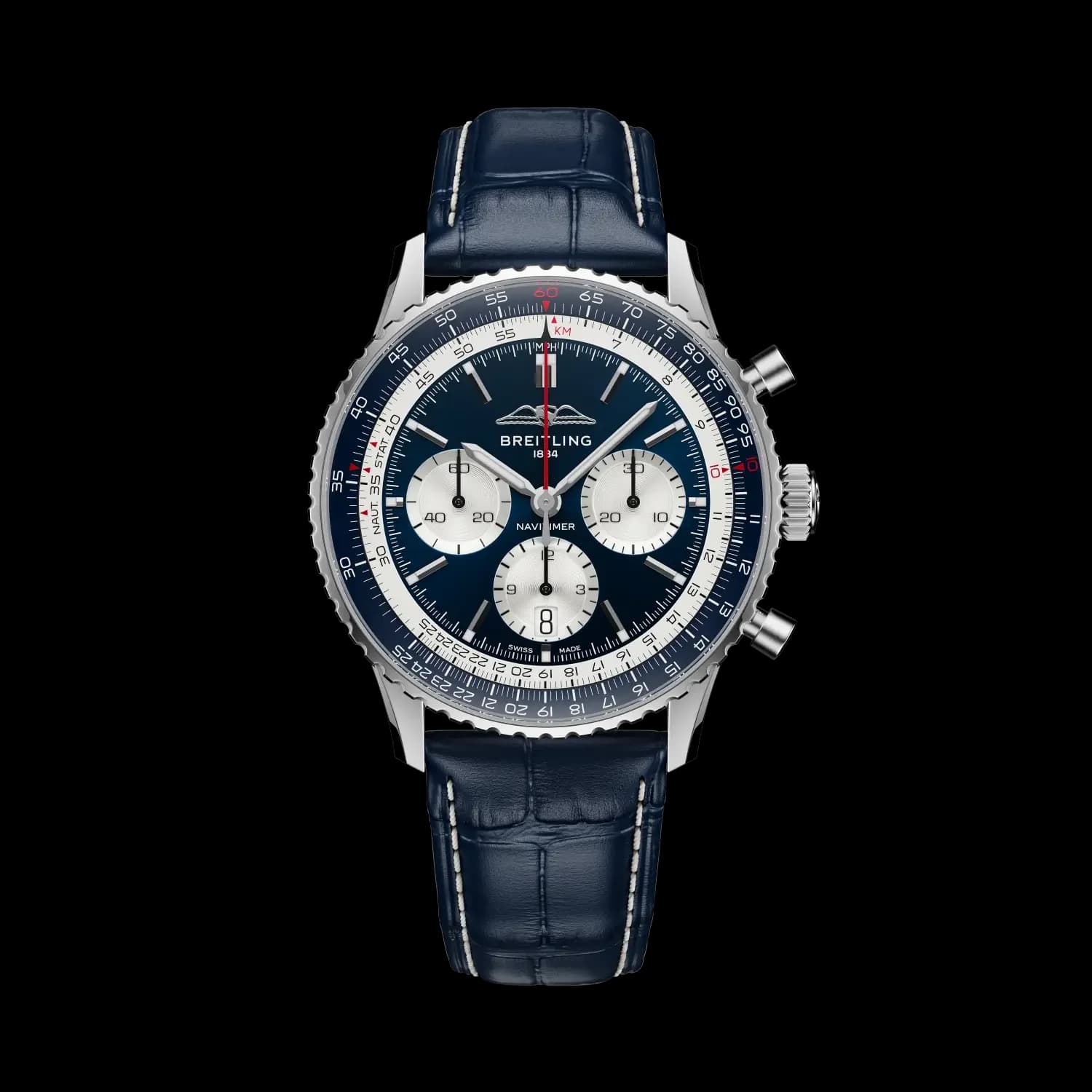
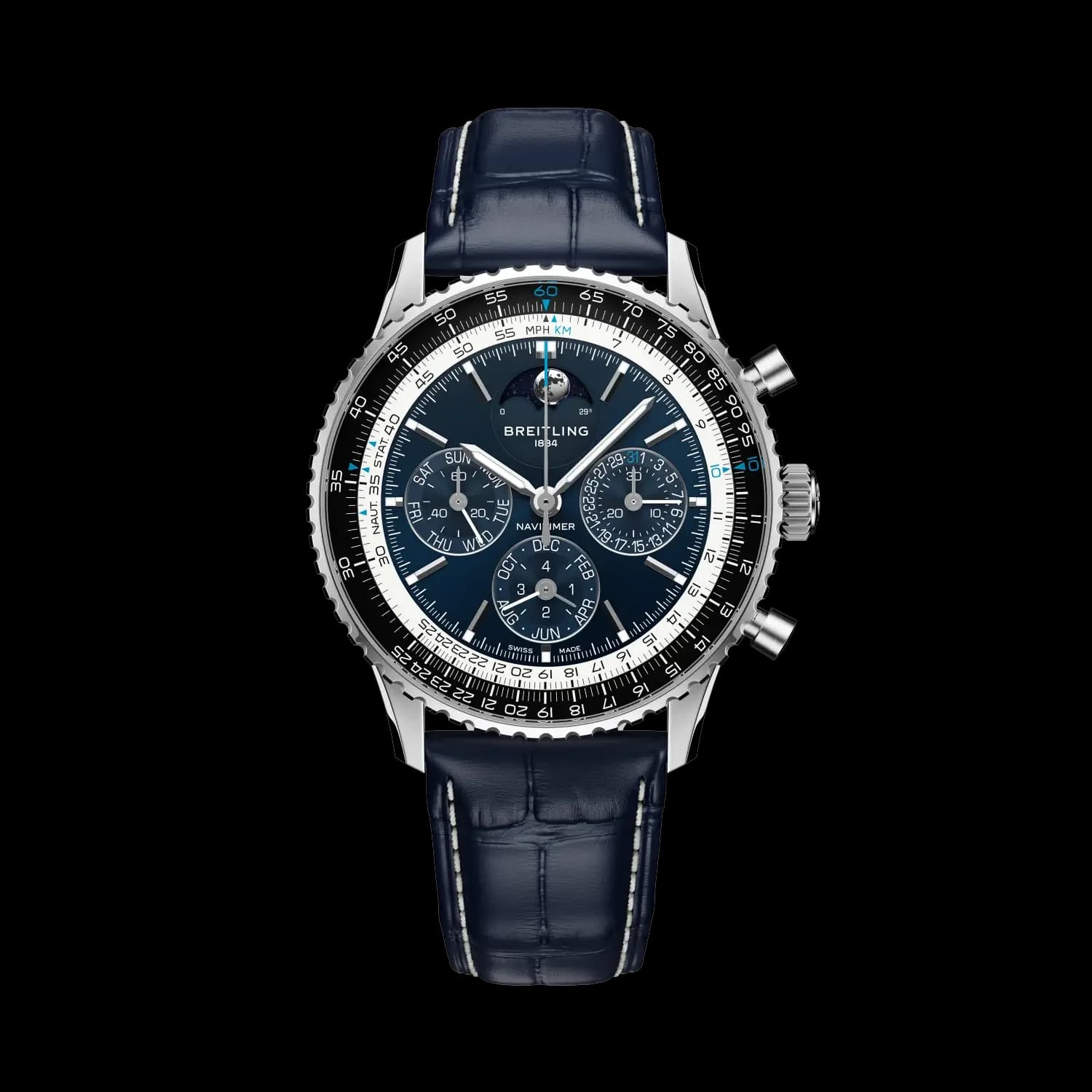
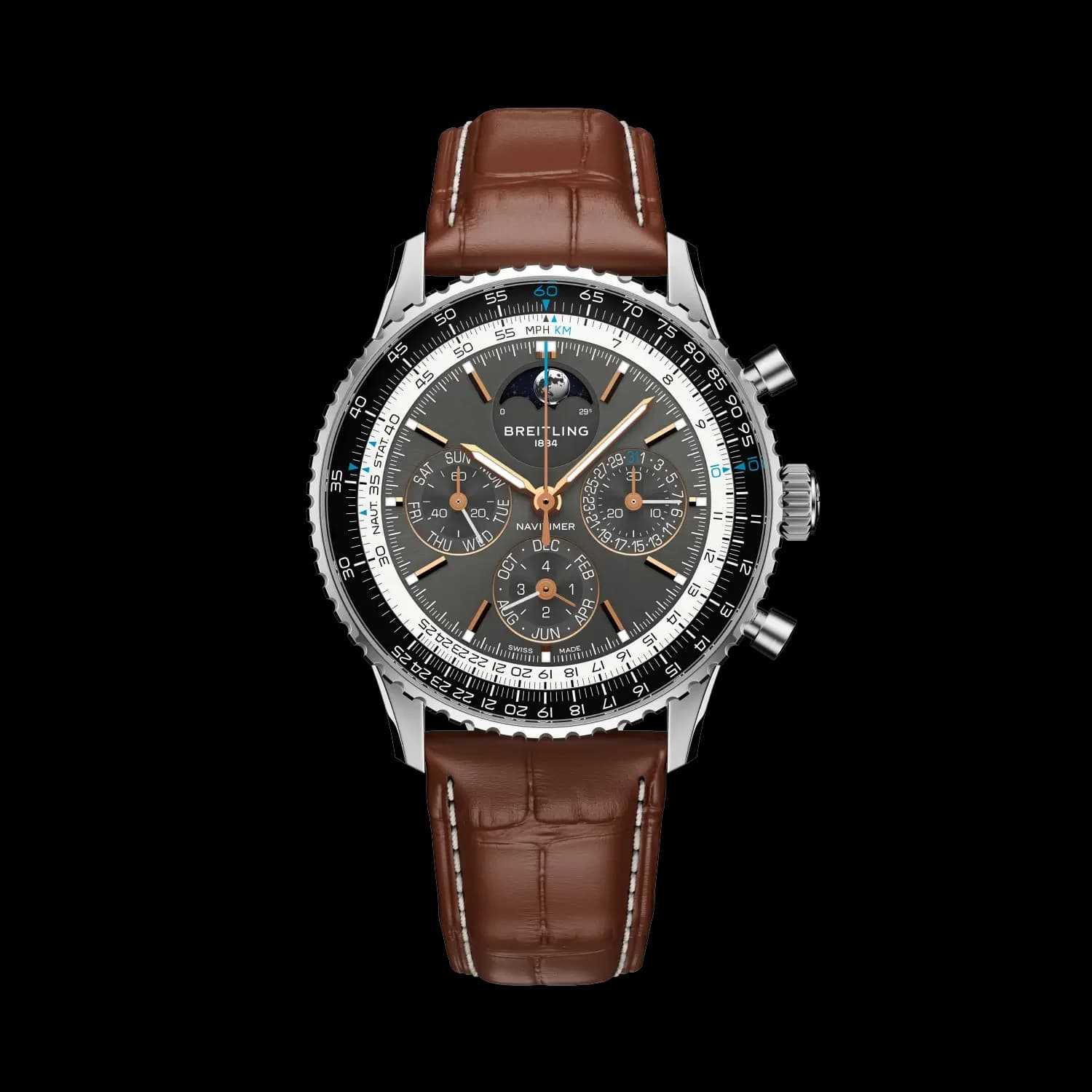
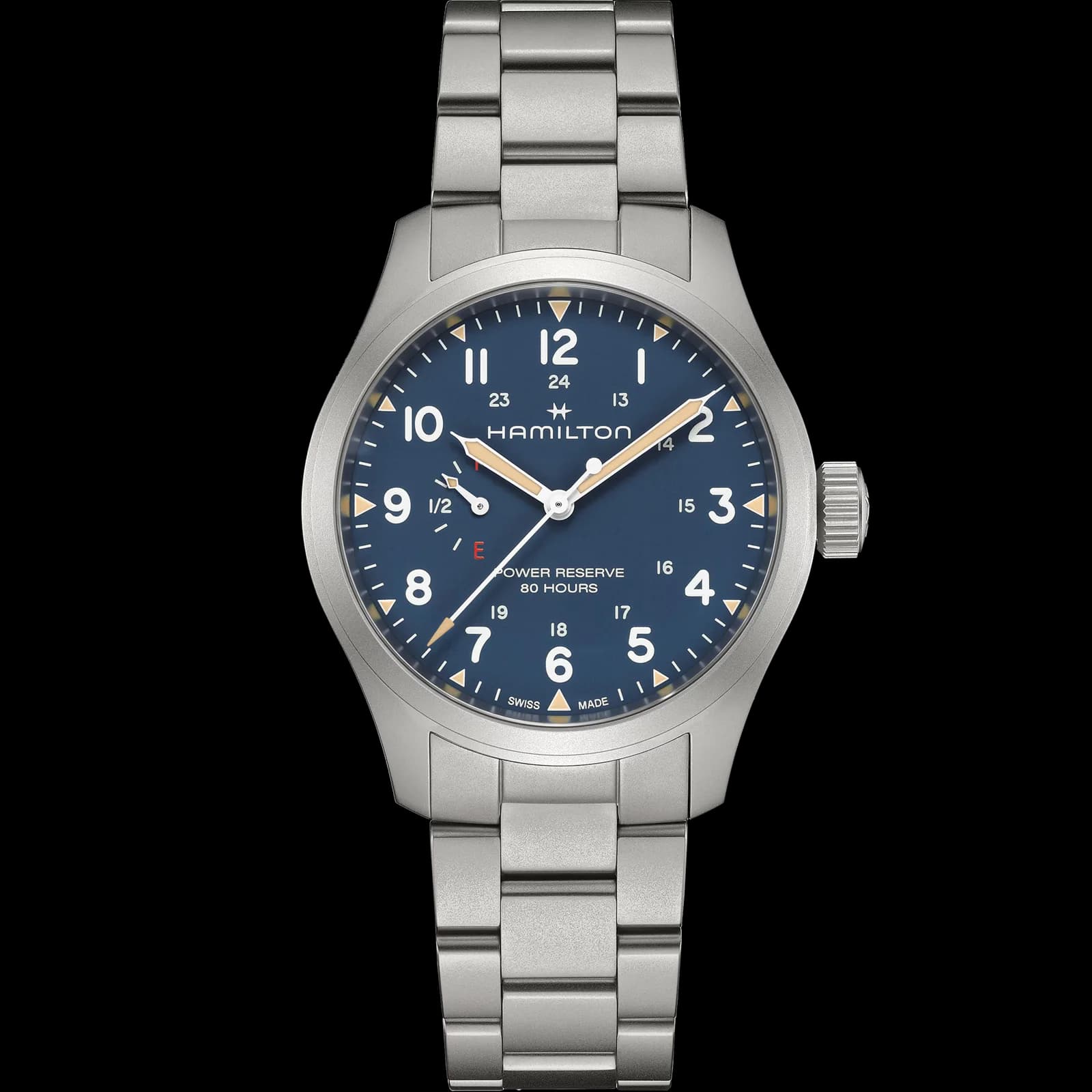
Syringe hands are common on instrument and sport watches. The reason is space. The thicker section of the hand leaves room for luminous material, often called lume. That lume is filled into the wide middle of the hand, so each hand carries a good amount of it. More lume makes the watch easier to read in low light. The thin tip adds precision, as it can line up with a single numeral. Together, these traits make syringe hands a very practical style.
Where it comes from
Syringe hands are a kind of baton hand. Both the hour hand and the minute hand have long pointed tips. The style has existed since the 1930s. Its design is described as a mix of Art Deco style and practicality. The name simply describes the shape: a barrel, then a needle, like a medical syringe. Patek Philippe helped make the style popular by using it heavily in its Grand Complications line.
Which watches have syringe hands?
Sinn’s U1 collection is a strong example. Sinn uses syringe hands because they suit field, pilot and military watches. Patek Philippe uses them on models such as the Calatrava 5226G and the 5320G. Watches from Breitling, Hamilton and Mido have them too. So the style turns up on tool watches built for clear reading, and on Patek Philippe models as well.
Checked