A deployant clasp is a folding buckle that holds a watch strap closed around the wrist. Its hinged metal arms fold flat when shut and open out when released, so the strap never has to be threaded through a buckle. That eases strain on leather and makes the watch quicker to put on and remove.
How does a deployant clasp work?
The clasp has two hinged metal arms. When the strap is shut, they lie flat along it. To take the watch off, the wearer releases the catch and the arms open out. The strap stays in one closed loop the whole time. Nothing has to be pulled through a frame or pushed onto a pin. Closing it again is a matter of folding the arms back until the catch holds. Push-button versions work the same way, but they open when one or two buttons on the sides of the clasp are pressed.
What are the pros and cons?
One practical gain is security. The watch stays looped around the wrist even when the clasp is open, so it is less likely to be dropped while it is being taken off. A deployant clasp can also be fitted to a strap or to a metal bracelet. A tang, or pin, buckle works only on a strap. The drawback is comfort. The folded layers of metal sit under the wrist, and some wearers find they feel bulky there.
Not to be confused with
A butterfly clasp is a related type. It opens in two directions and is used mostly on integrated metal bracelets. Its folding metal piece is hidden inside the bracelet, so no bulky clasp shows on the outside. On a standard deployant clasp, by contrast, the folded layers of metal can feel bulky under the wrist.
Where it comes from
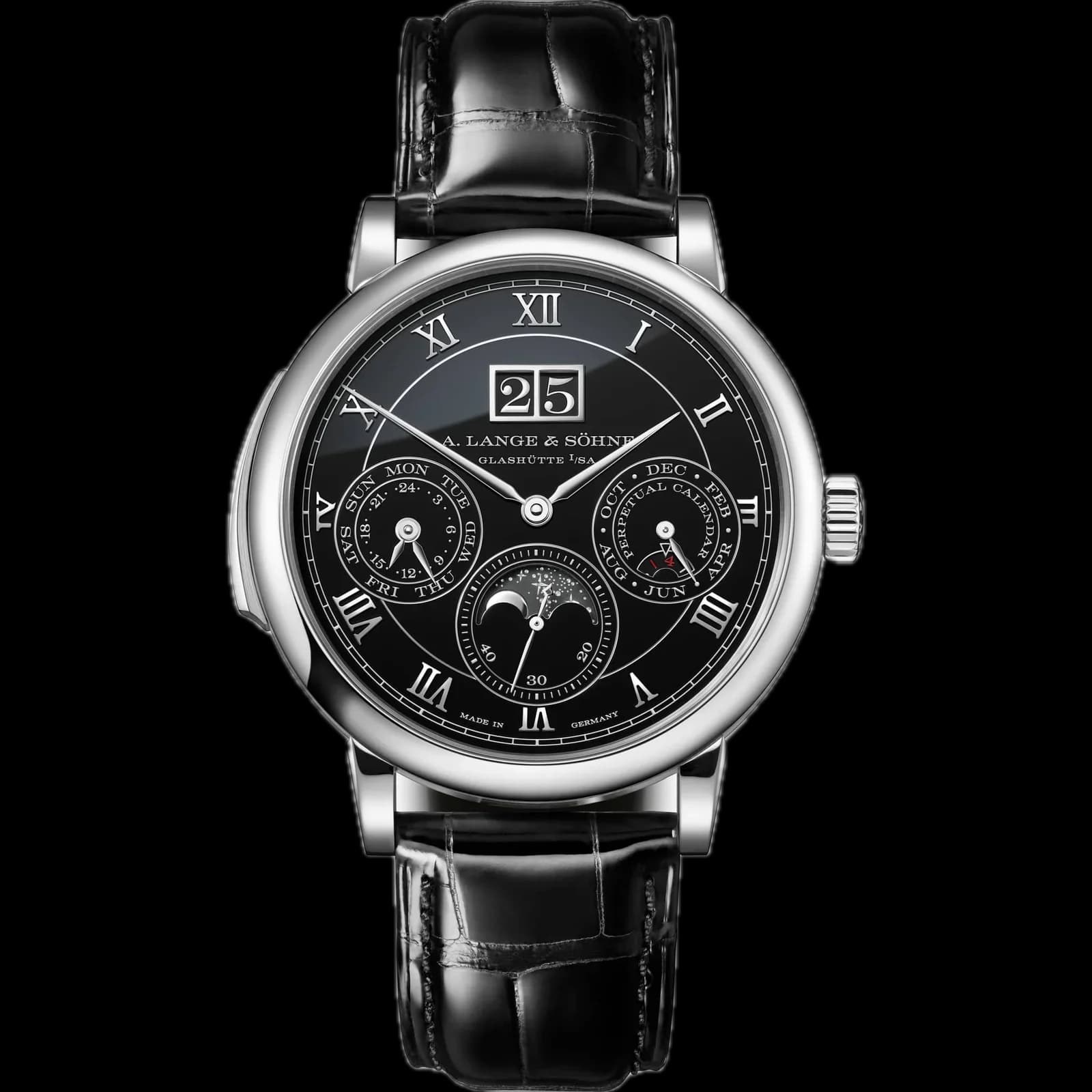
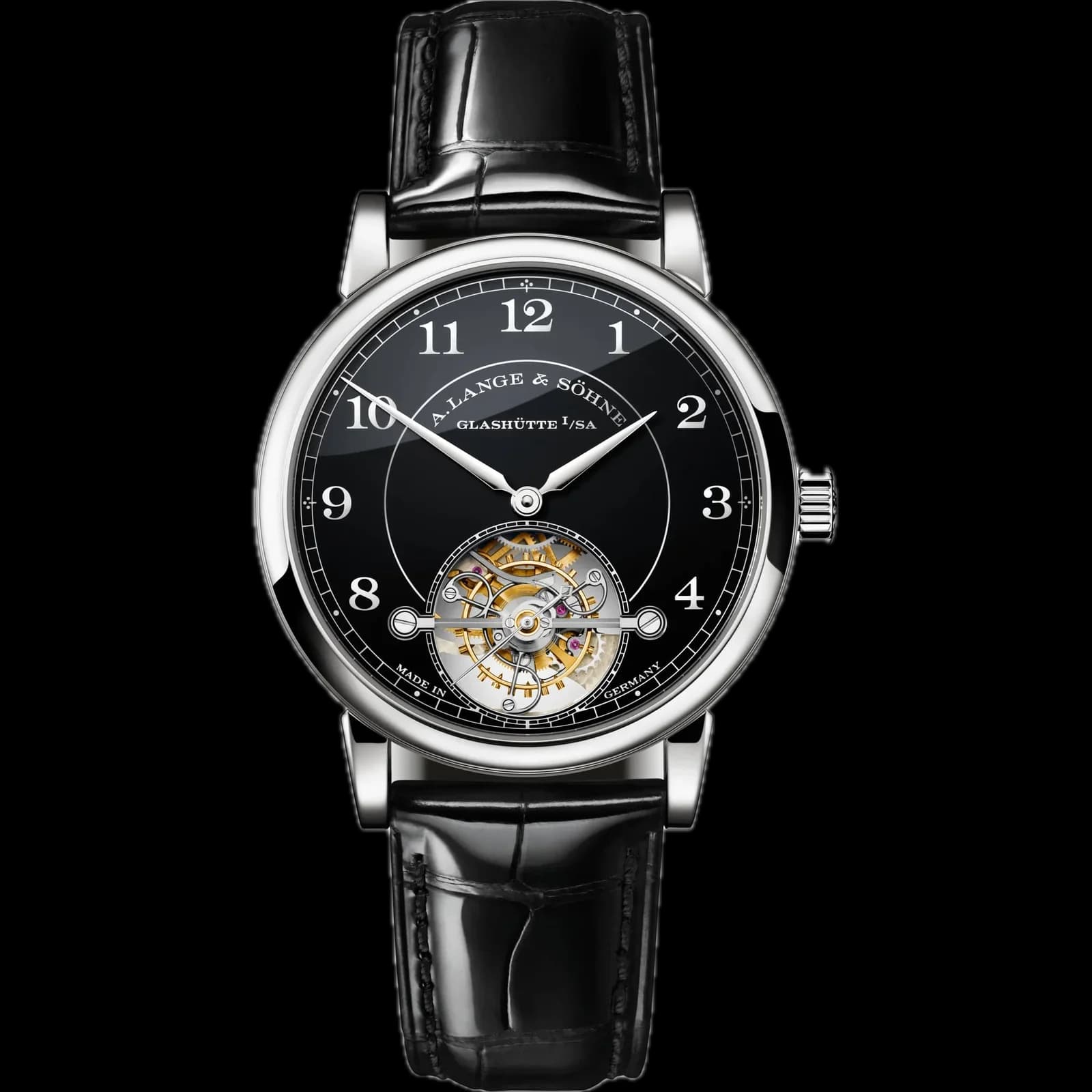
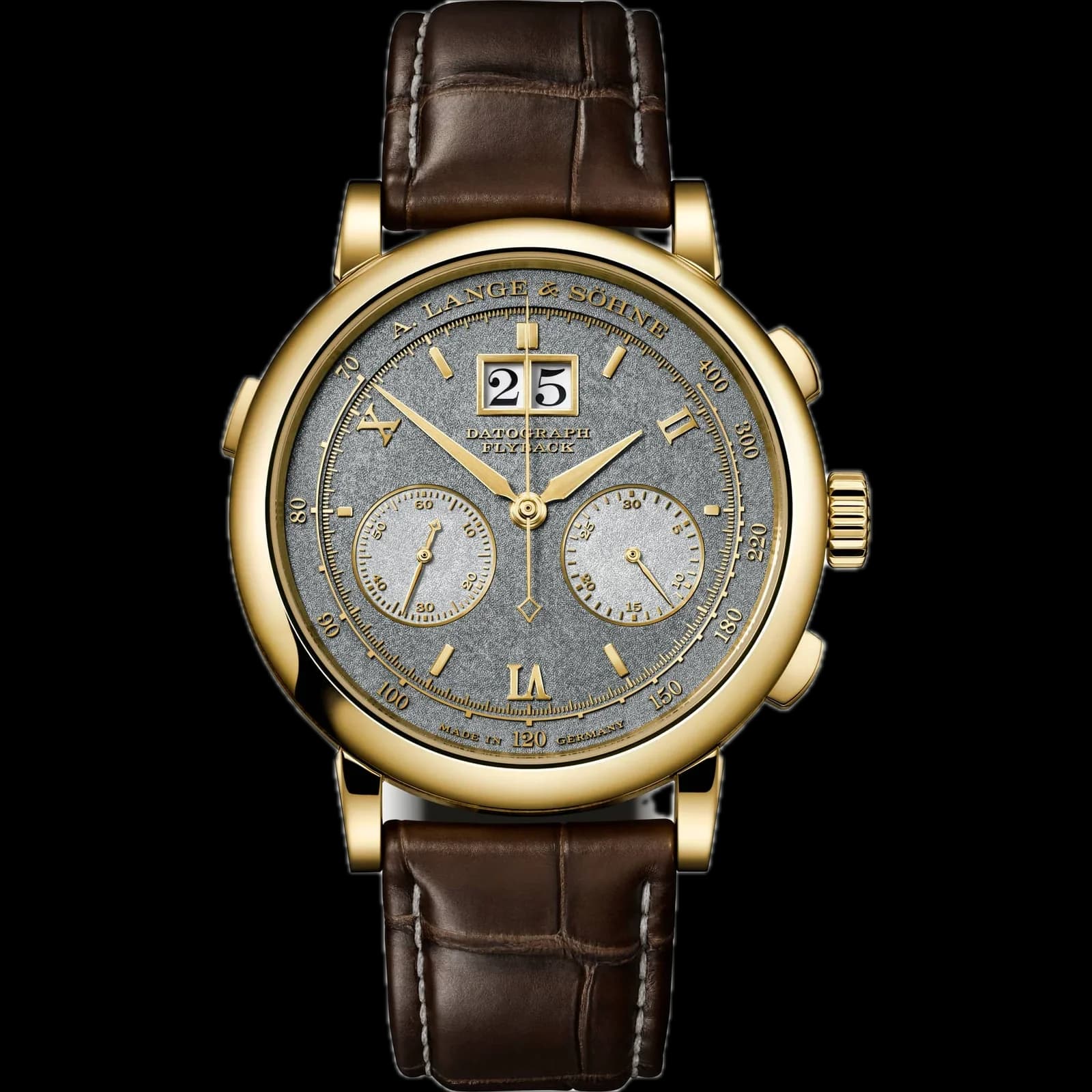
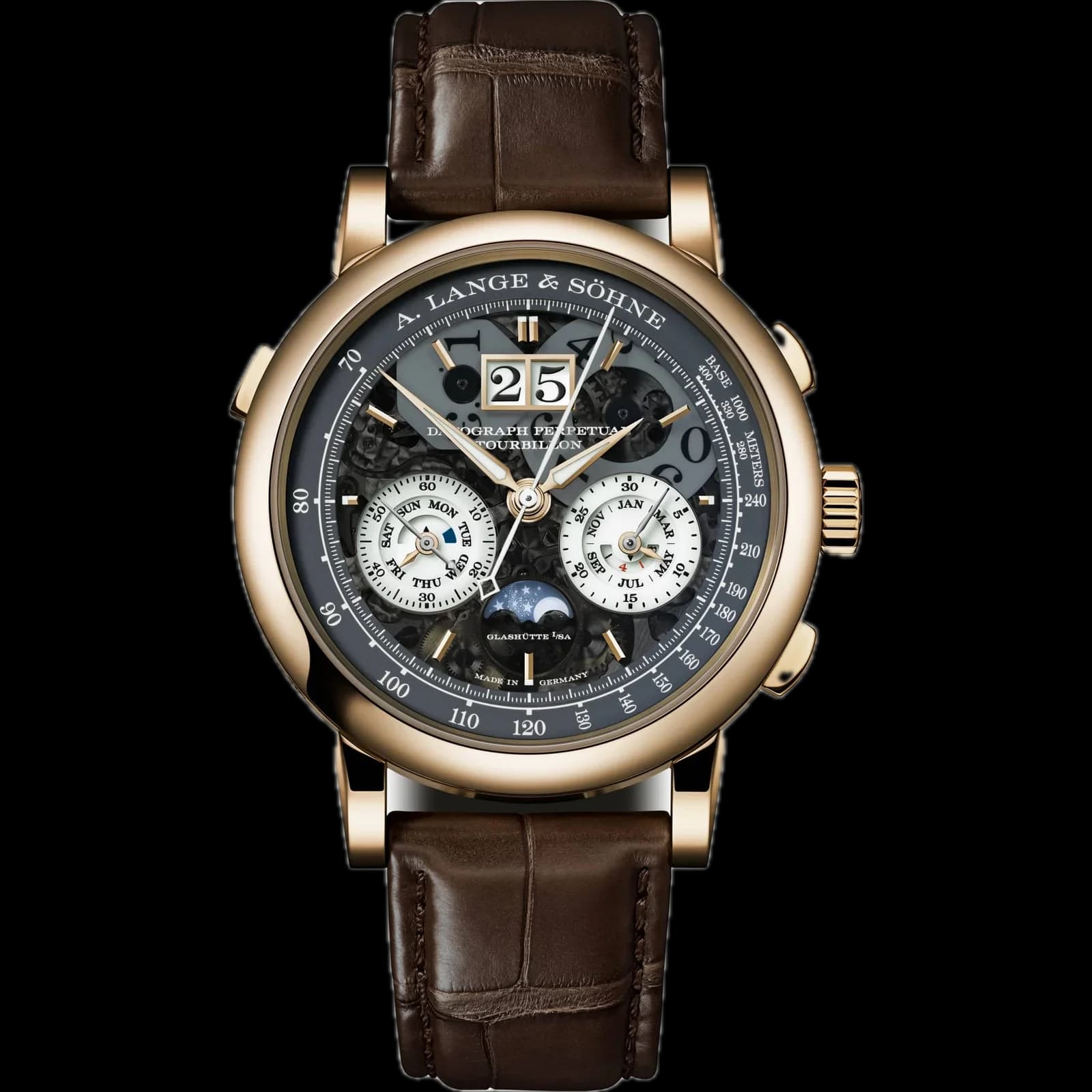
The deployant clasp is closely tied to Cartier. It became standard on watches from all three Cartier houses. Cartier made these early buckles in 18-karat gold, so the clasp matched the metal of the watch case. The clasp is still found today on watches from Breguet, A. Lange & Söhne and Cartier.
Checked