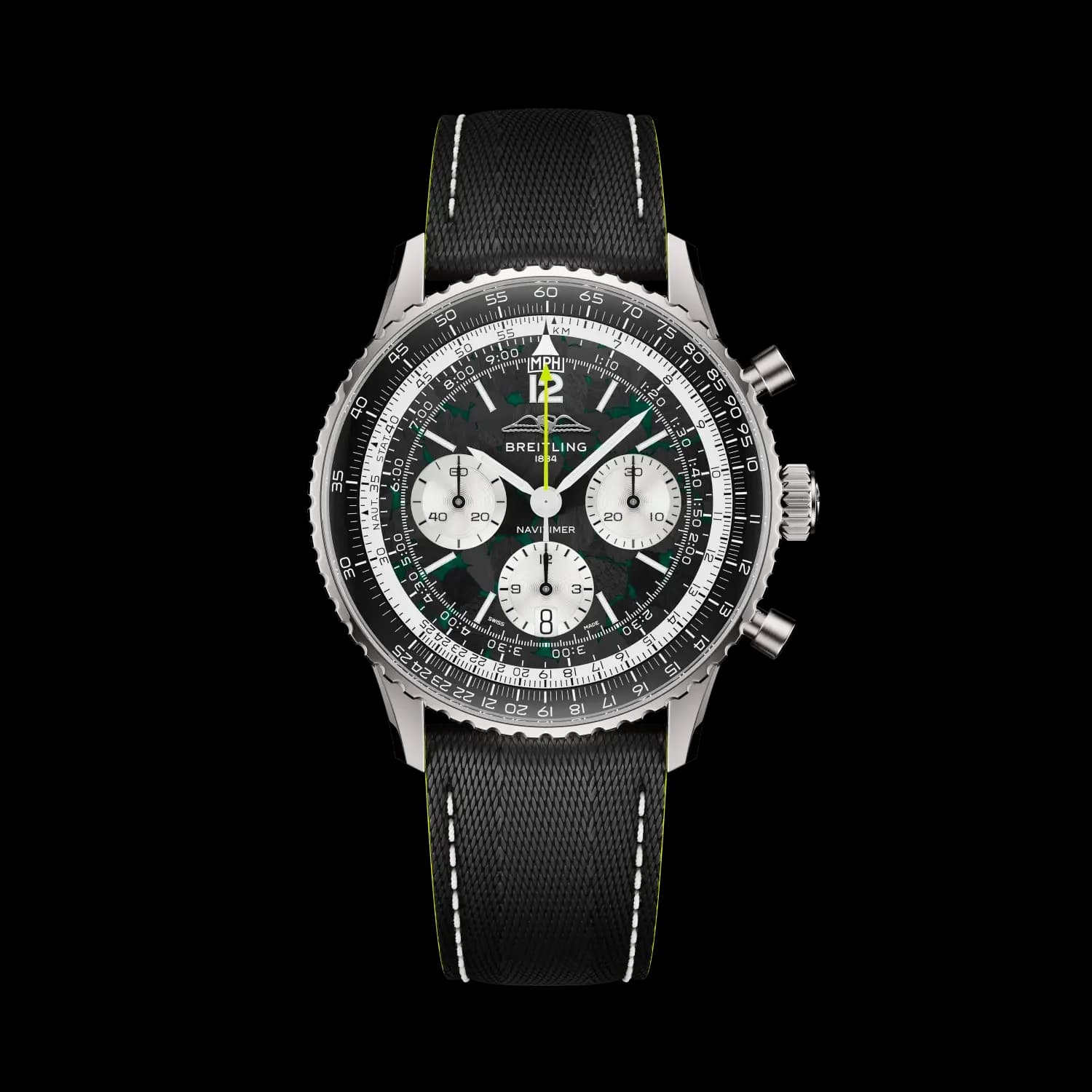
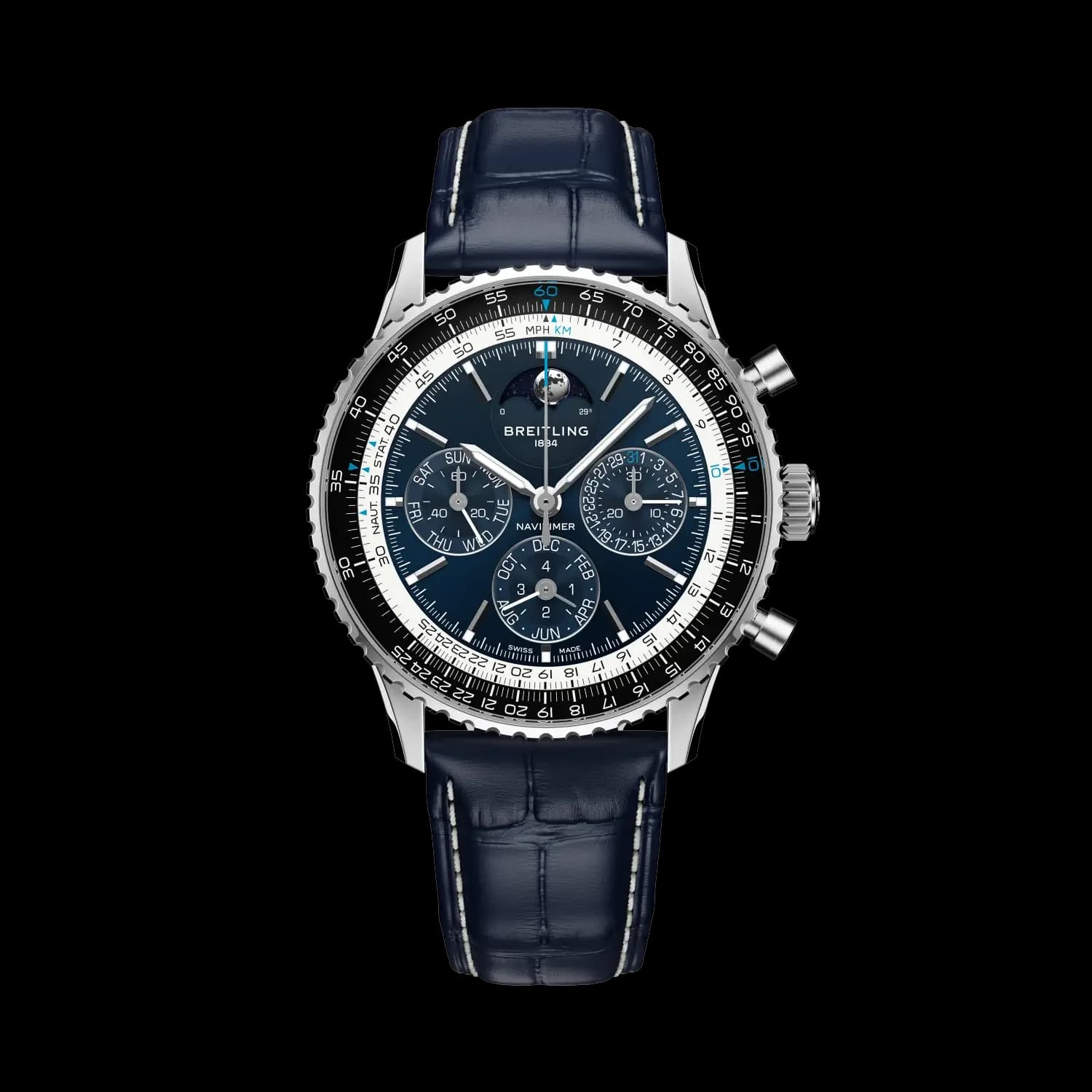
A domed crystal is a watch crystal that curves up over the dial instead of lying flat. The shape matters for strength. A dome handles load in compression, so it may resist pressure better than a flat crystal of the same thickness. The trade-off is some distortion when the dial is viewed at an angle.
Where it comes from
Until about the mid-1900s, watch crystals were made only of glass, and that included domed ones. Mineral glass can be formed into flat crystals, and also into domed crystals in a range of shapes. In the 1950s and 1960s, acrylic became the norm on watch cases. It is also called plexiglass or Hesalite. Dive watches of the 1960s went further, with strongly domed crystals known as tropic crystals. Today domed crystals appear on watches from Oris, Omega and Breitling.
Why do the hands look bent through a domed crystal?
A dome distorts the view when the dial is seen at an angle. The hands seem to bend, and the minute track seems to ripple. This is the main drawback of the shape. Some makers reduce it with double-domed crystals, which curve on both the outside and the inside. An inner dome has a second benefit. It leaves more room under the crystal for the hands.
How is a domed sapphire crystal made?
A domed sapphire crystal is shaped by sawing, grinding and polishing. The work requires diamond abrasives and can take hours. One variant is the box sapphire crystal. It has nearly vertical sides and a rounded top. This shape imitates old plastic crystals. The material is sapphire, but the form follows the plastic crystals it copies.
Checked