Mineral crystal is a watch crystal made from ordinary glass that has been strengthened, most often by tempering. It is one of the three usual crystal materials, alongside acrylic and sapphire. It costs little, so most low-priced watches use it. It gives a clear view of the dial and scratches less readily than acrylic.
How does it compare with acrylic and sapphire?
Mineral crystal is made from much the same glass as window panes. It came into watchmaking as a tougher option than acrylic. On the Mohs hardness scale it rates about 5 to 6, which places it between acrylic and sapphire. It scratches less readily than acrylic, though it can still be scratched. It also gives a clearer, more transparent view of the dial. The trade-off is that it breaks more easily than acrylic. It resists scratches fairly well and costs less than sapphire.
Can a scratched mineral crystal be repaired?
Usually not. A scratched acrylic crystal can be polished smooth again. A mineral crystal cannot. Once the surface is marked, the crystal is usually swapped for a new one instead of being repaired. When a mark does appear, it stays until the crystal is changed. That is the price of choosing glass over plastic.
What is Hardlex?
Hardlex is Seiko’s own proprietary version of mineral crystal. Seiko makes it by treating ordinary glass with heat and chemicals, and fits it to some of its watches. For scratch resistance it sits below sapphire, which scratches far less than Hardlex. But sapphire is more likely than Hardlex to shatter when hit hard. Neither material is better on both counts.
Which watches use mineral crystal?
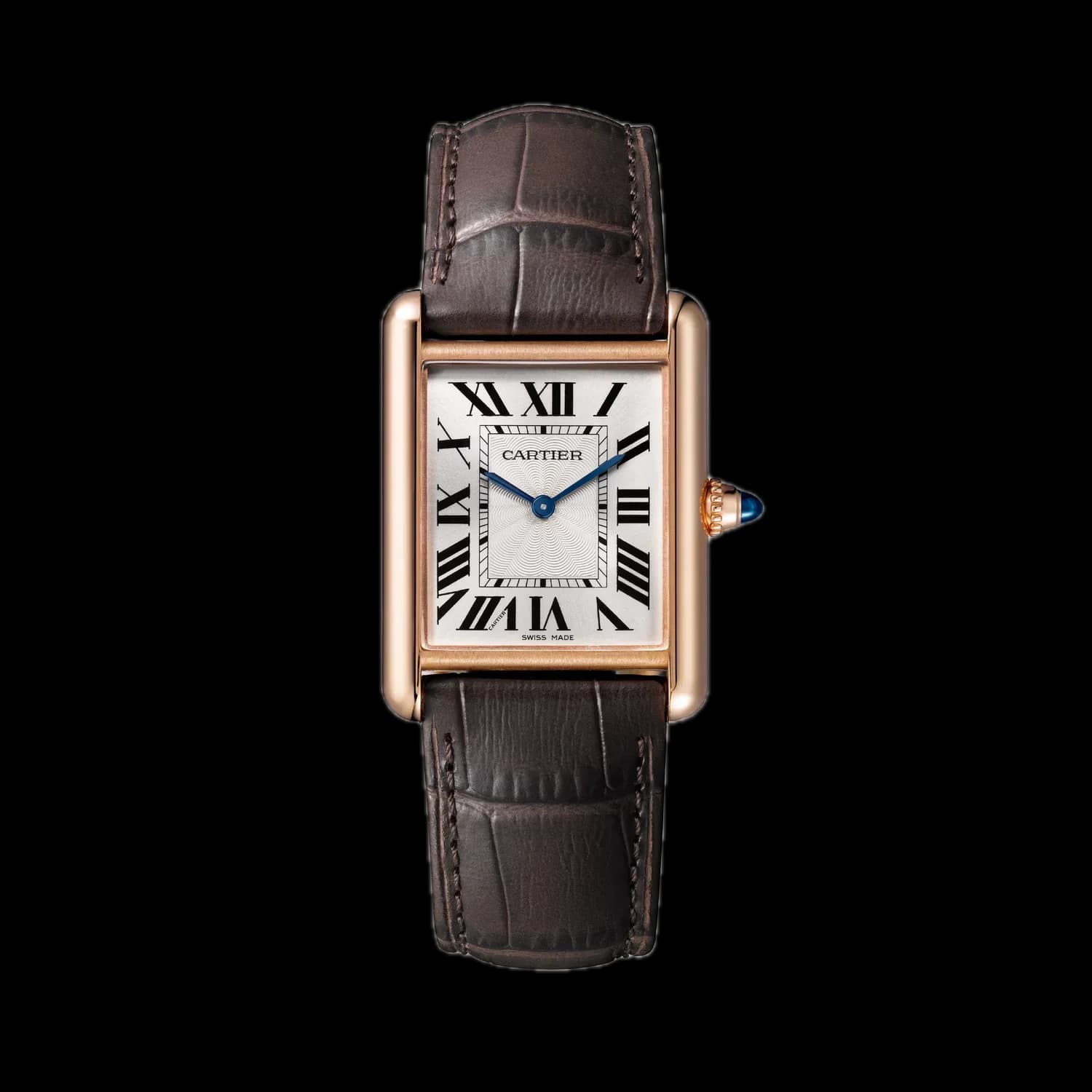
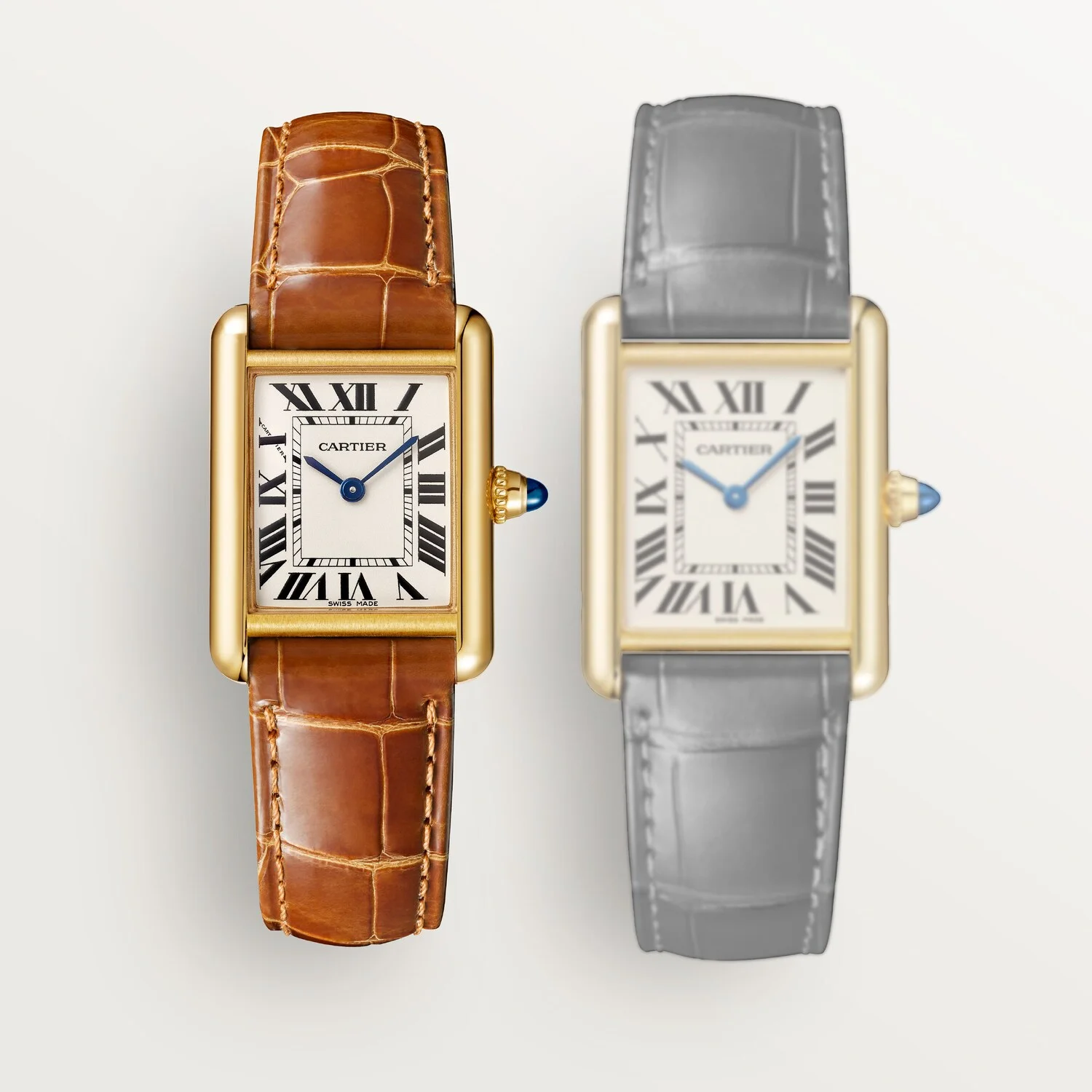
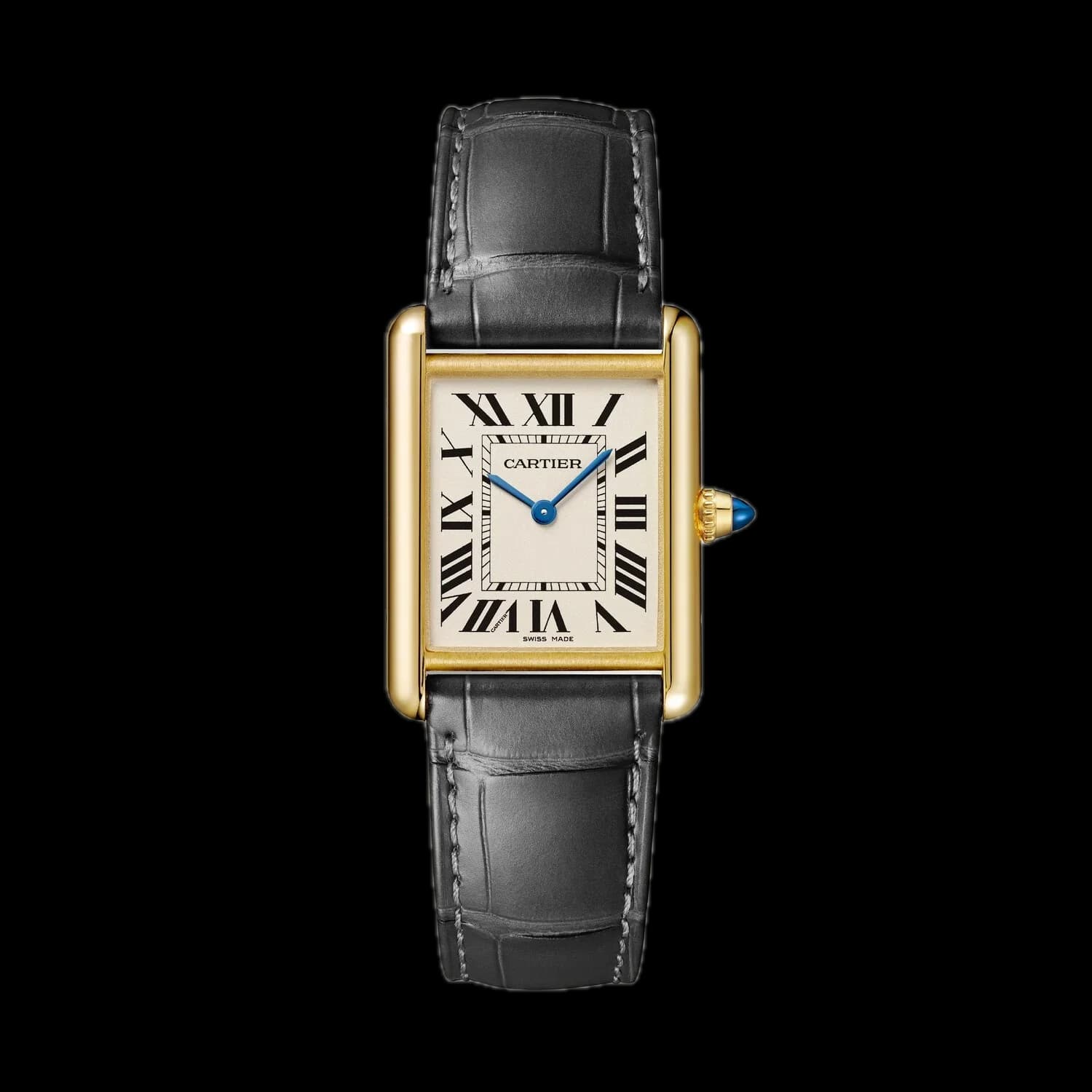
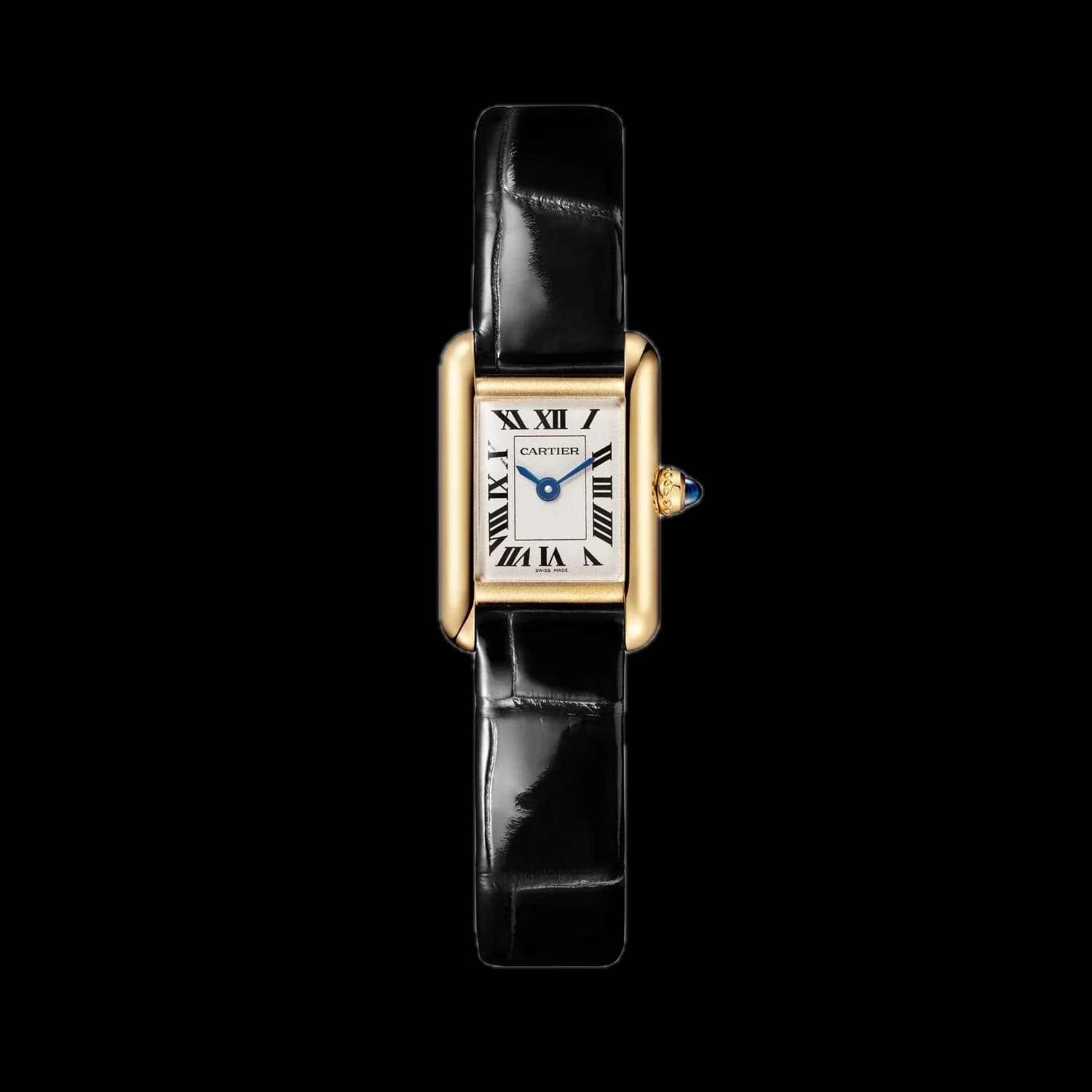
Mineral crystal costs little to make. For that reason, most low-priced watches use it. Timex fits mineral crystals to most of its ranges, including the Ironman and Waterbury lines. Seiko fits its own Hardlex version to some of its models. Mineral crystal also appears on watches from Tissot, Hamilton and Cartier.
Checked