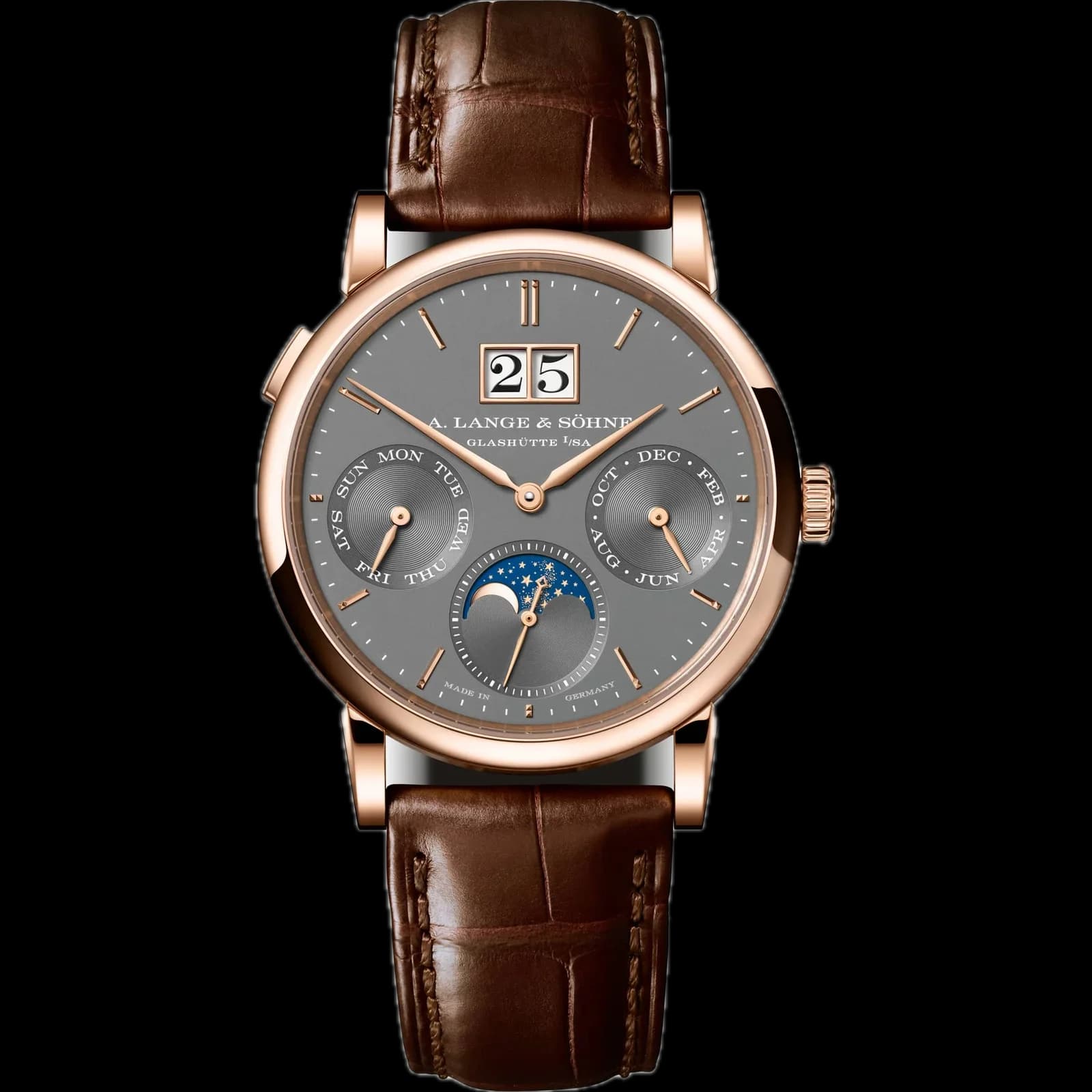
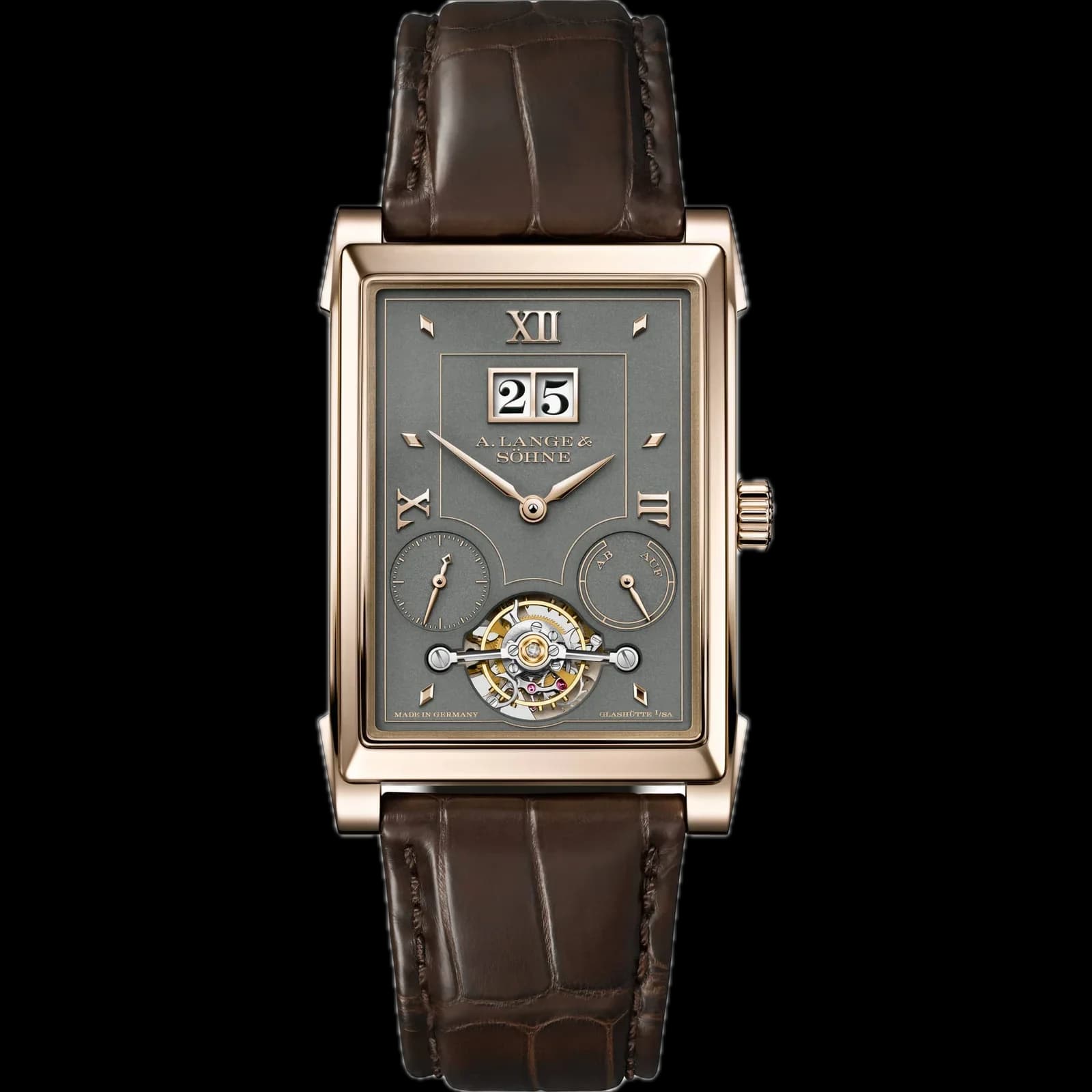
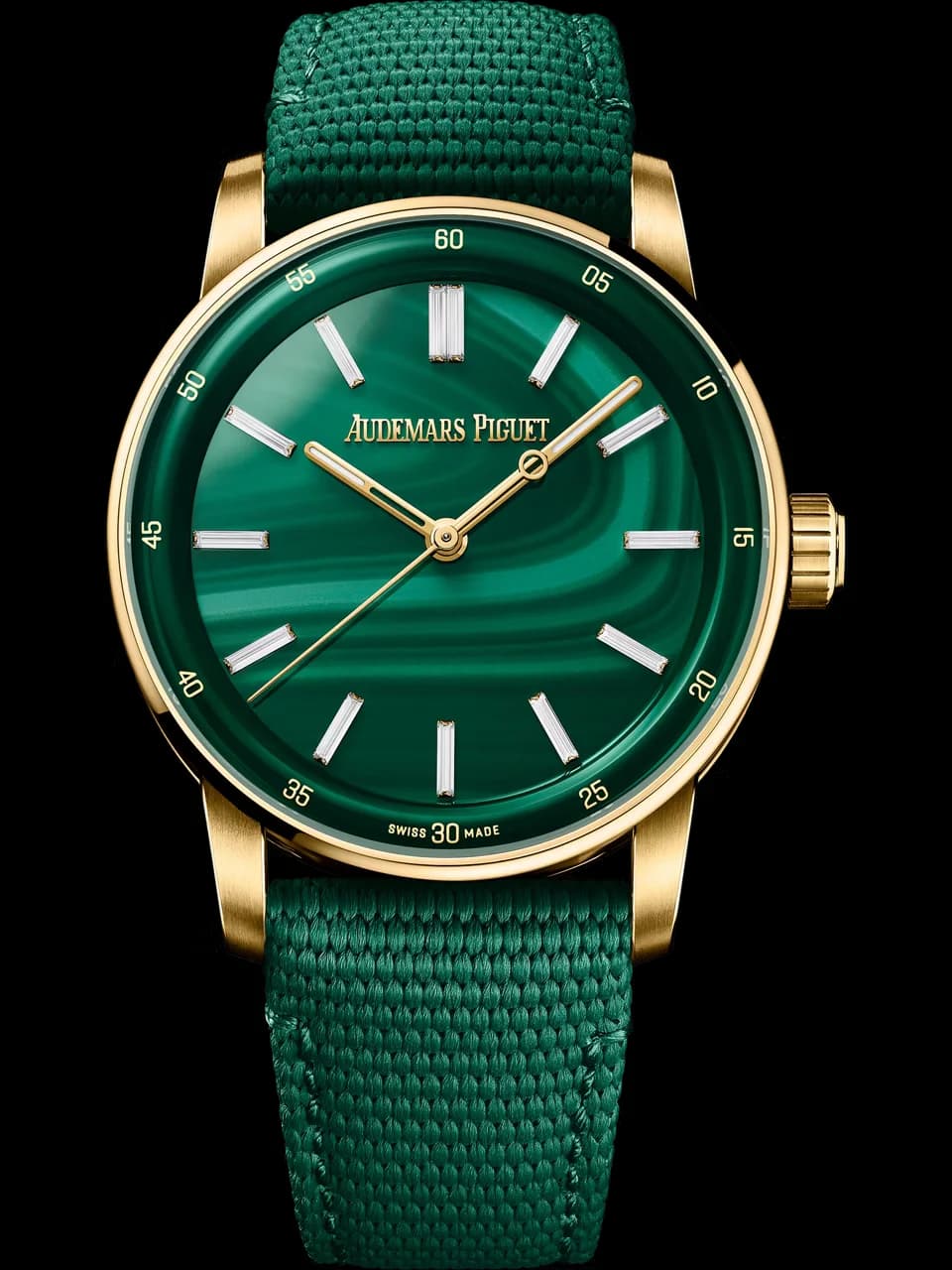
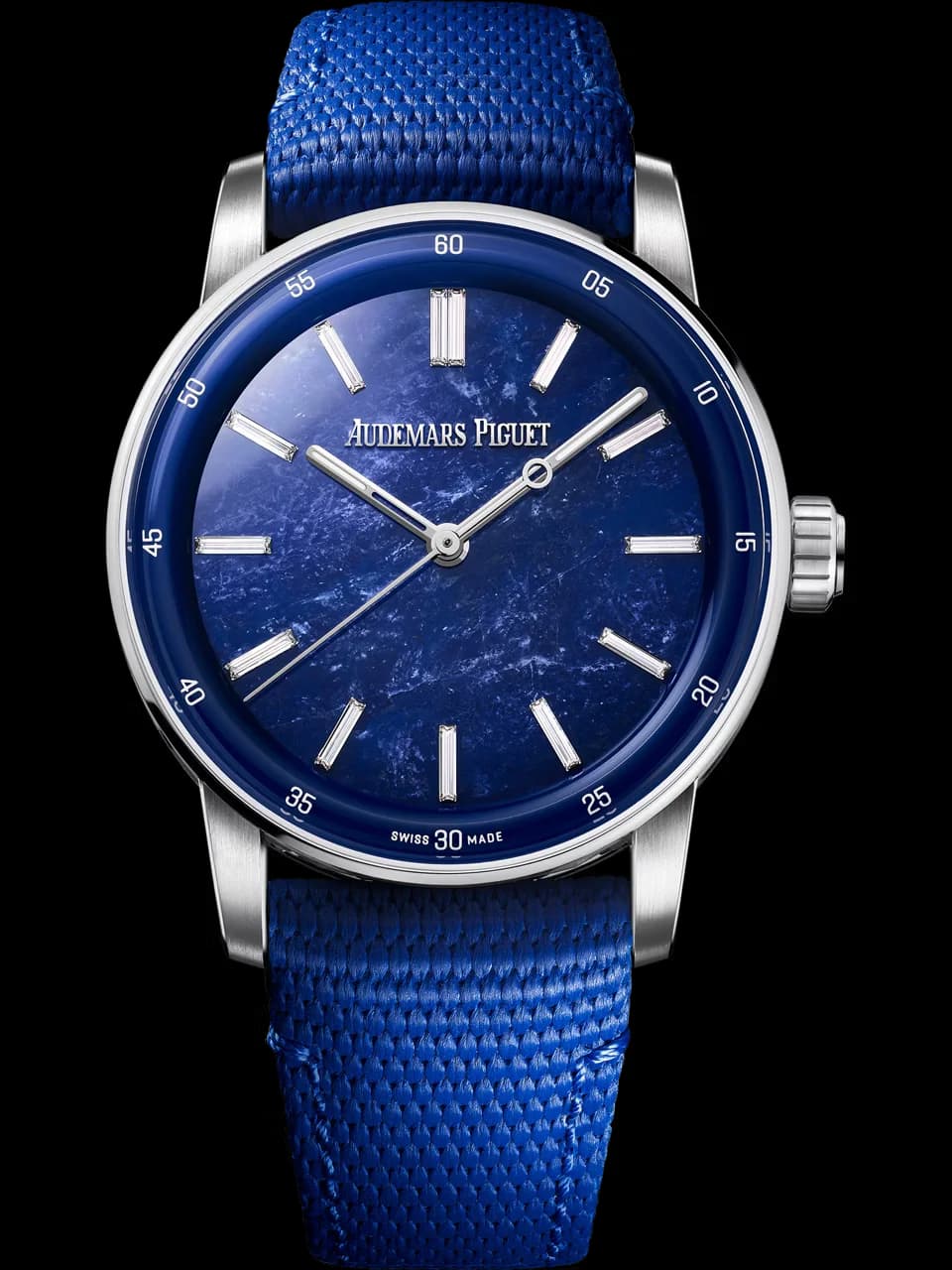
Sapphire crystal is a man-made material used for the clear cover over a watch dial, made by crystallising pure aluminium oxide at very high temperatures. It scores 9 on the Mohs hardness scale, against 10 for diamond. That makes it much harder than mineral glass or acrylic, though it costs more to make.
Where it comes from
Natural sapphire is a form of the mineral corundum, which is made of aluminium oxide. The version used in watches is grown artificially. The early method melted fine aluminium oxide powder in an oxyhydrogen flame. The molten droplets then crystallised. In 1902 the French chemist Auguste Verneuil announced his method for growing synthetic ruby. In 1911 he patented a way to make synthetic blue sapphire. The raw crystal is only the start. Turning it into a shaped watch crystal is costly, because it has to be sliced, ground and polished with special tools.
When did watches start using sapphire crystals?
Jaeger-LeCoultre is credited with the first recorded use of a sapphire watch crystal, in the late 1920s or early 1930s. It then stayed very rare in watches until the early 1970s. Through the 1970s and 1980s sapphire spread quickly and took the place of acrylic crystals. Rolex fitted its first sapphire crystal to a sports watch in 1978, on the Sea-Dweller 16660. Today it is found on watches from Omega, Longines and Tissot, among others.
What are the drawbacks of sapphire crystal?
Sapphire is very hard, but hard is not the same as tough. It is fairly brittle, so a sharp impact can crack it. Its strength is resistance to scratching. Mineral crystal rates about 6 on the Mohs scale and acrylic about 3, so sapphire sits well above both. It has another drawback: it reflects more light than mineral crystal. To reduce this, makers add one or more anti-reflective layers, sometimes on both faces. Add the slicing, grinding and polishing, and sapphire ends up dearer and more work to produce than acrylic or mineral glass.
Checked