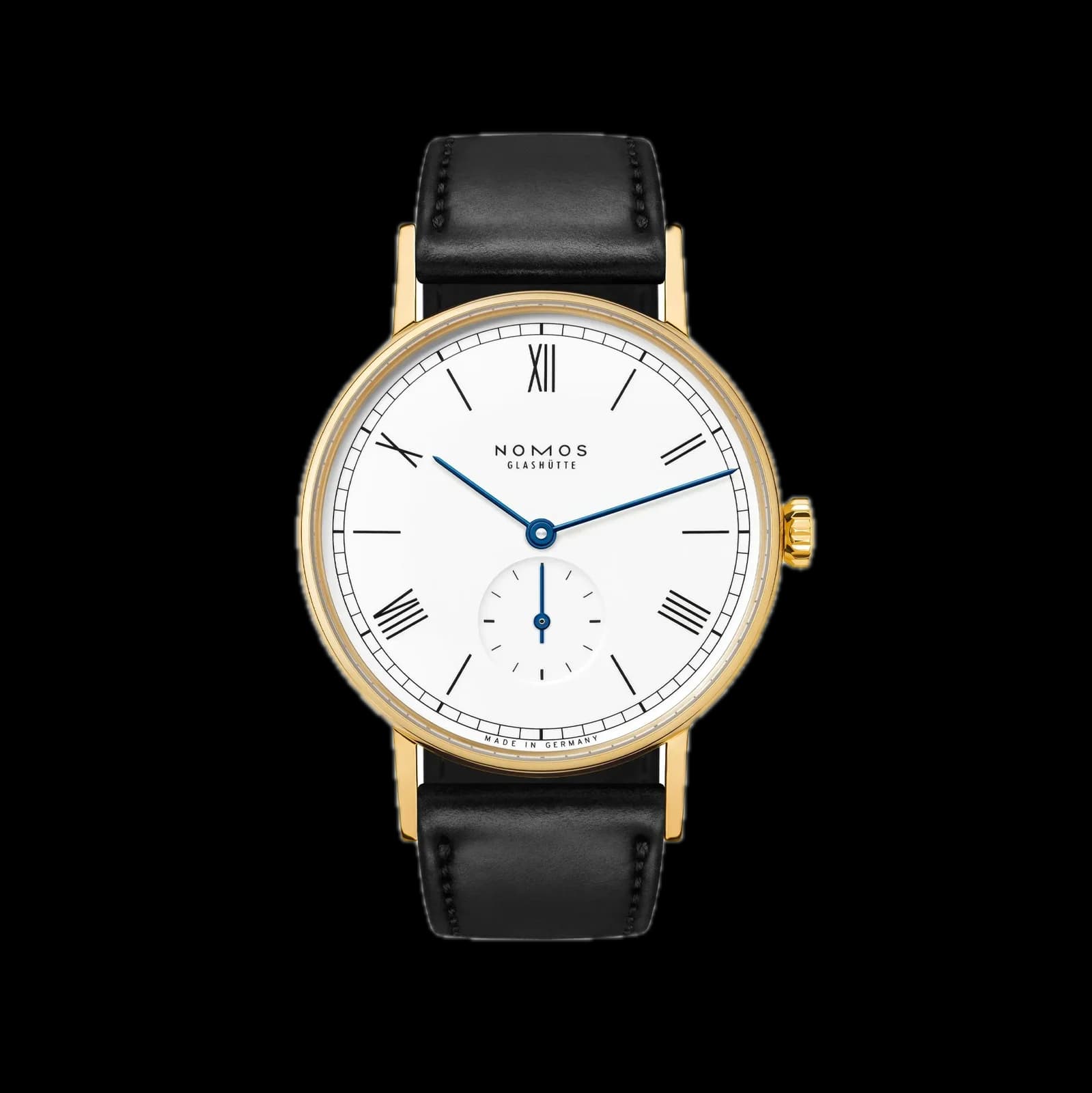
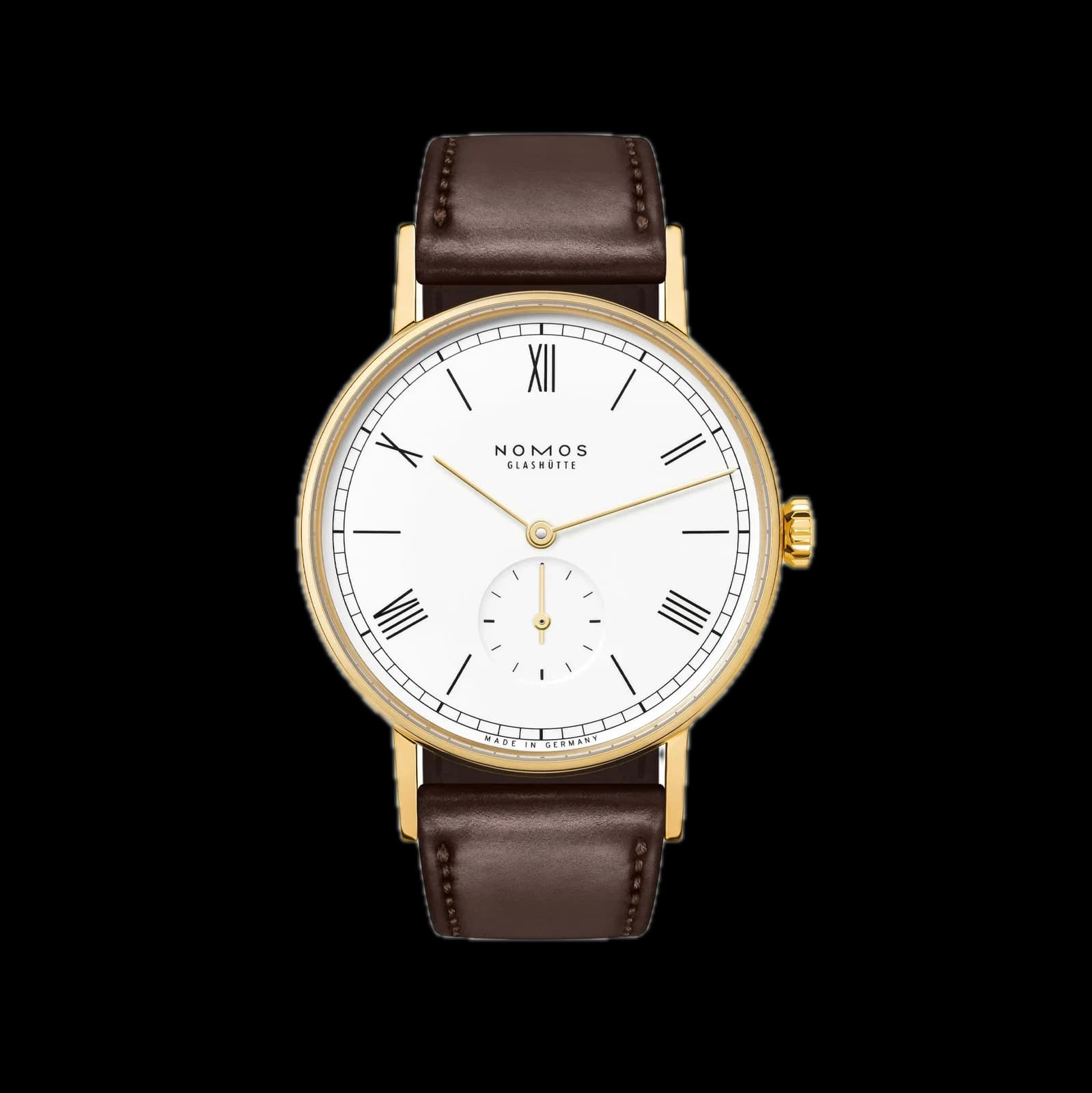
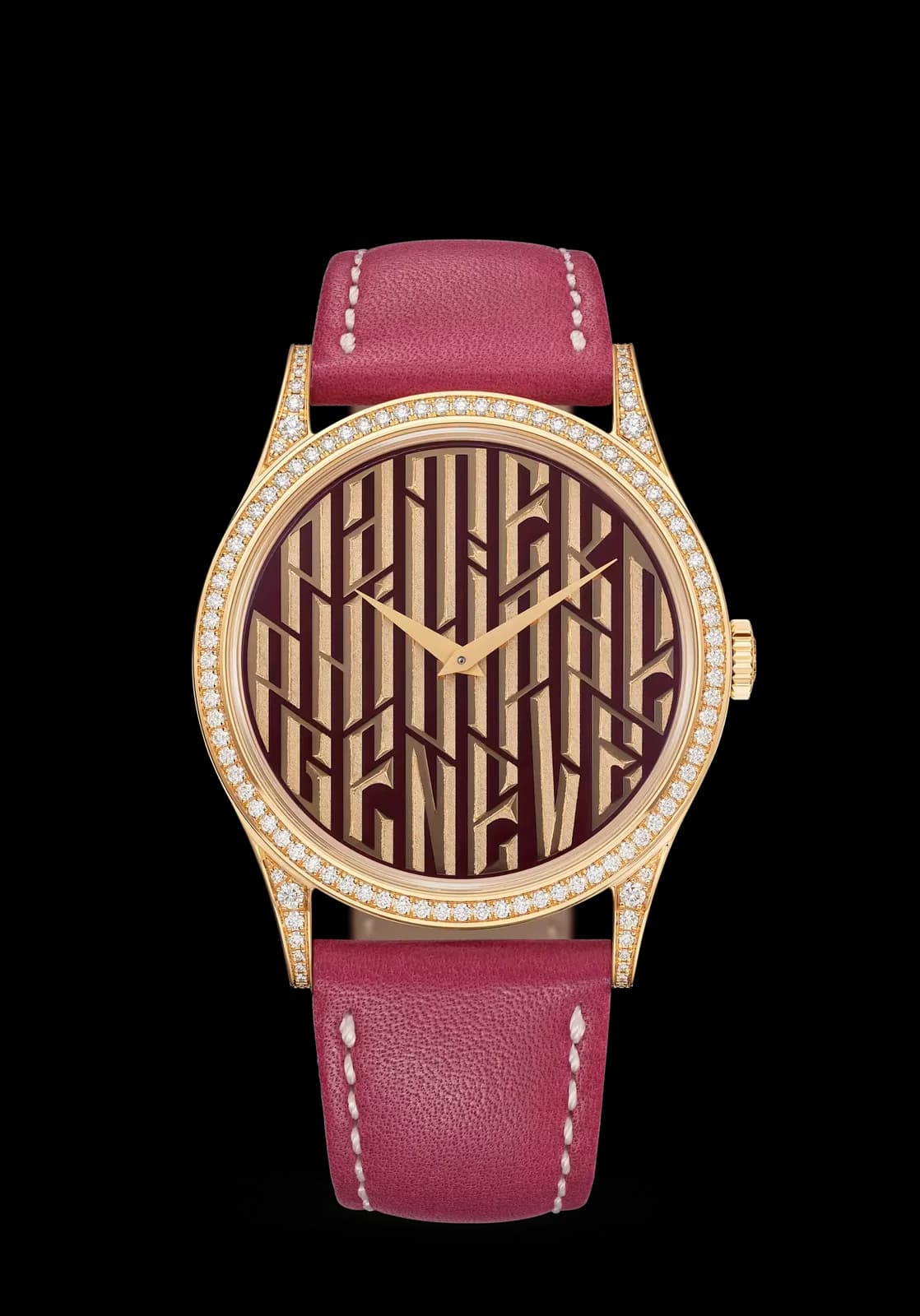
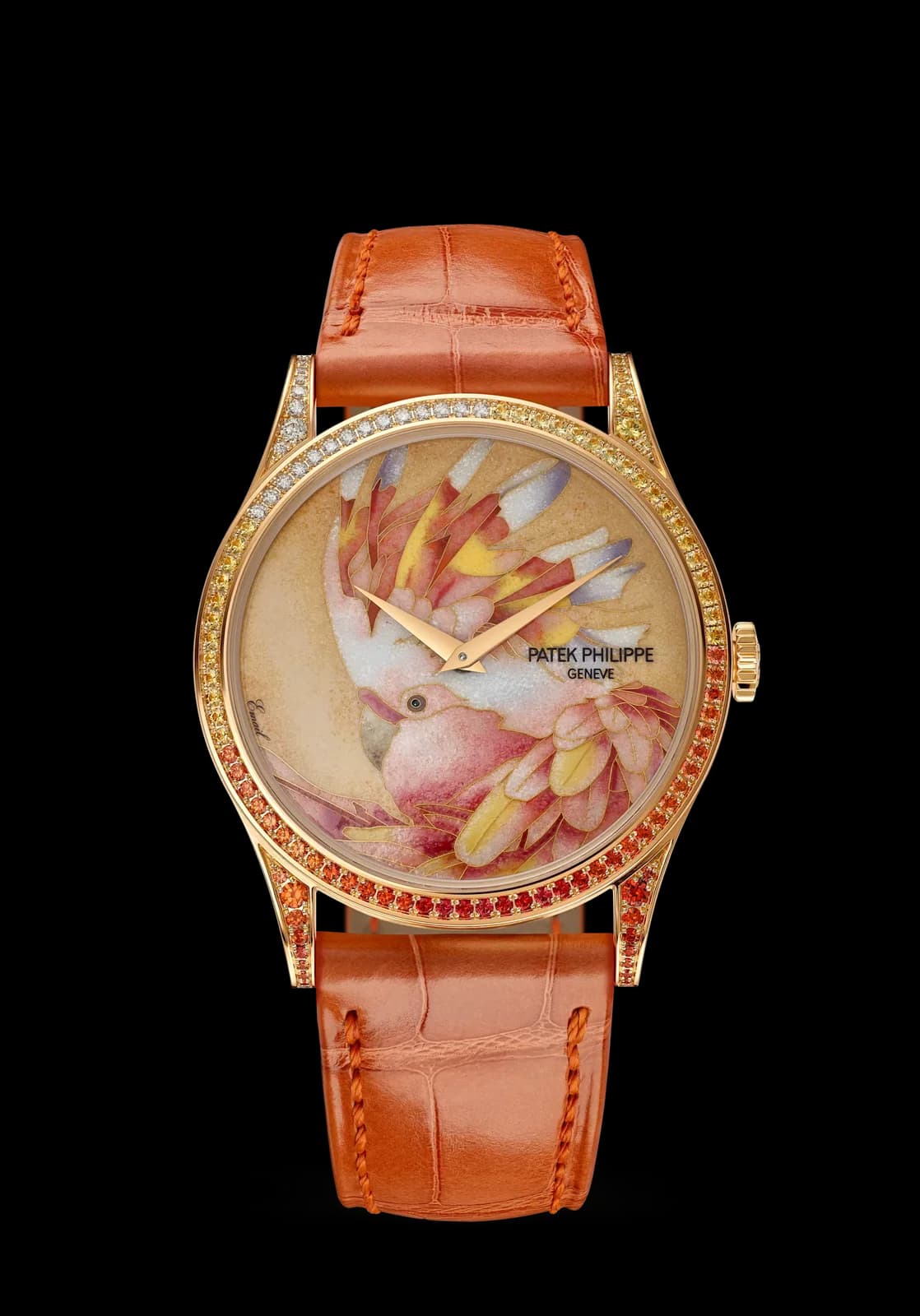
An enamel dial is a watch dial coated in vitreous enamel, which is powdered glass melted onto a metal base. The enamel is a mix of silica, minium, potash and soda, fired at high heat, often several times. Many dials fail in the kiln, so the few that survive are very costly.
How is an enamel dial made?
At the specialist dial maker Donzé Cadrans, the work begins with a round copper blank cut from a sheet of metal. The plate is coated with enamel and baked in a kiln. In the Grand Feu method, the kiln runs above 800°C. A dial usually goes through at least three firings, and sometimes as many as eight. The numerals and other markings are added by transfer printing, using enamel powder mixed with oil. Ulysse Nardin says one dial takes an enameller roughly two days to make.
Where it comes from
Enamel is far older than the watch. The oldest known vitreous enamel pieces are six gold rings decorated with fused glass, found in Mycenaean tombs in Cyprus. On watches, the French clockmaker Paul Viet was an early master. He made enamel dials in Blois from about 1635. Enamelling on timepieces later reached its peak in Geneva, during the 1700s and 1800s. Patek Philippe, Vacheron Constantin and Omega are among the makers whose watches have enamel dials.
What are champlevé and cloisonné?
Both are enamel techniques in which the plate is prepared before the enamel goes in. In champlevé, the design is first carved into the dial plate. The hollows are then filled with enamel, so the enamel sits in recesses cut into the metal. This carving step is what sets champlevé apart from plain enamel. In cloisonné, thin raised wires divide the surface into cells. Each cell is then filled with enamel.
Checked