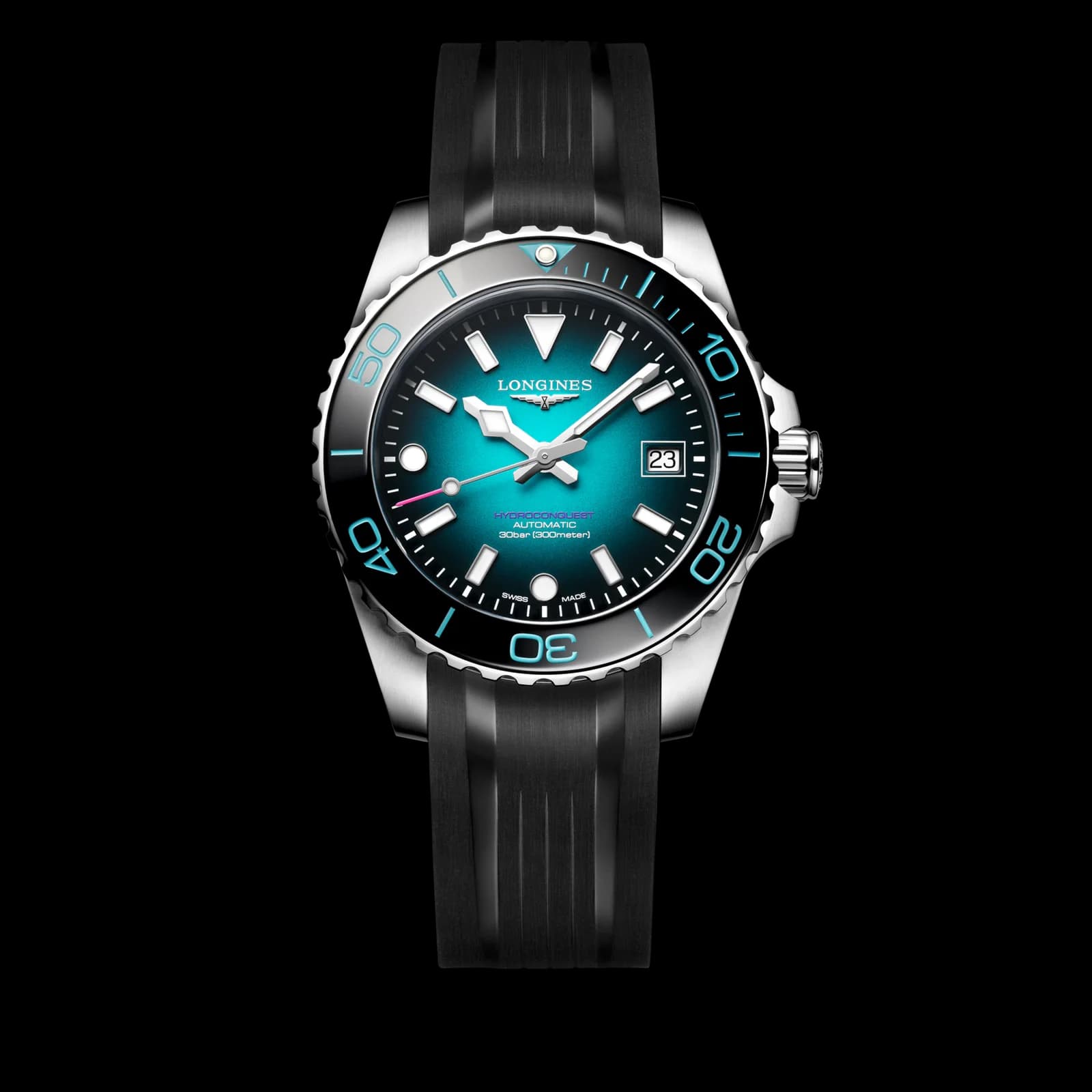
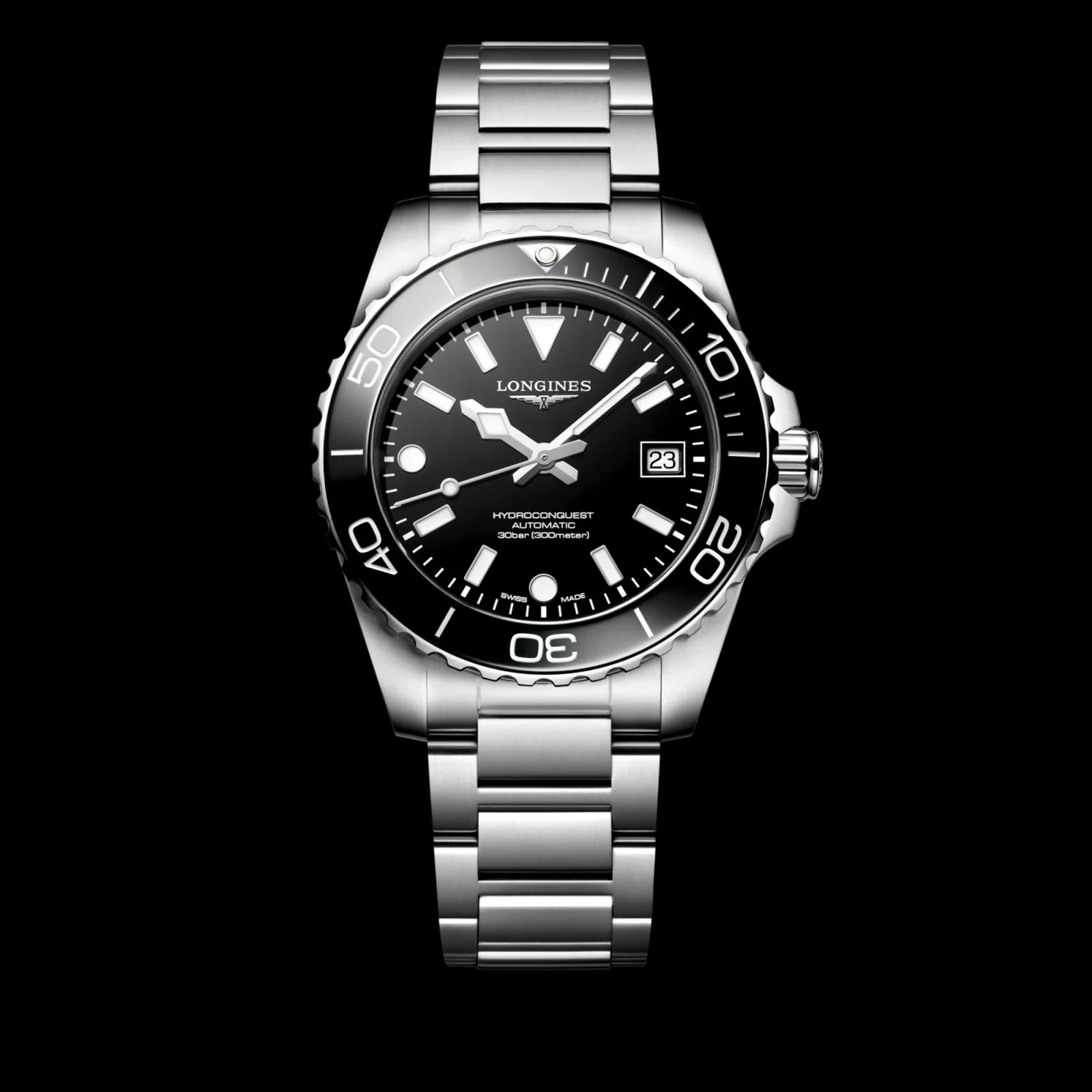
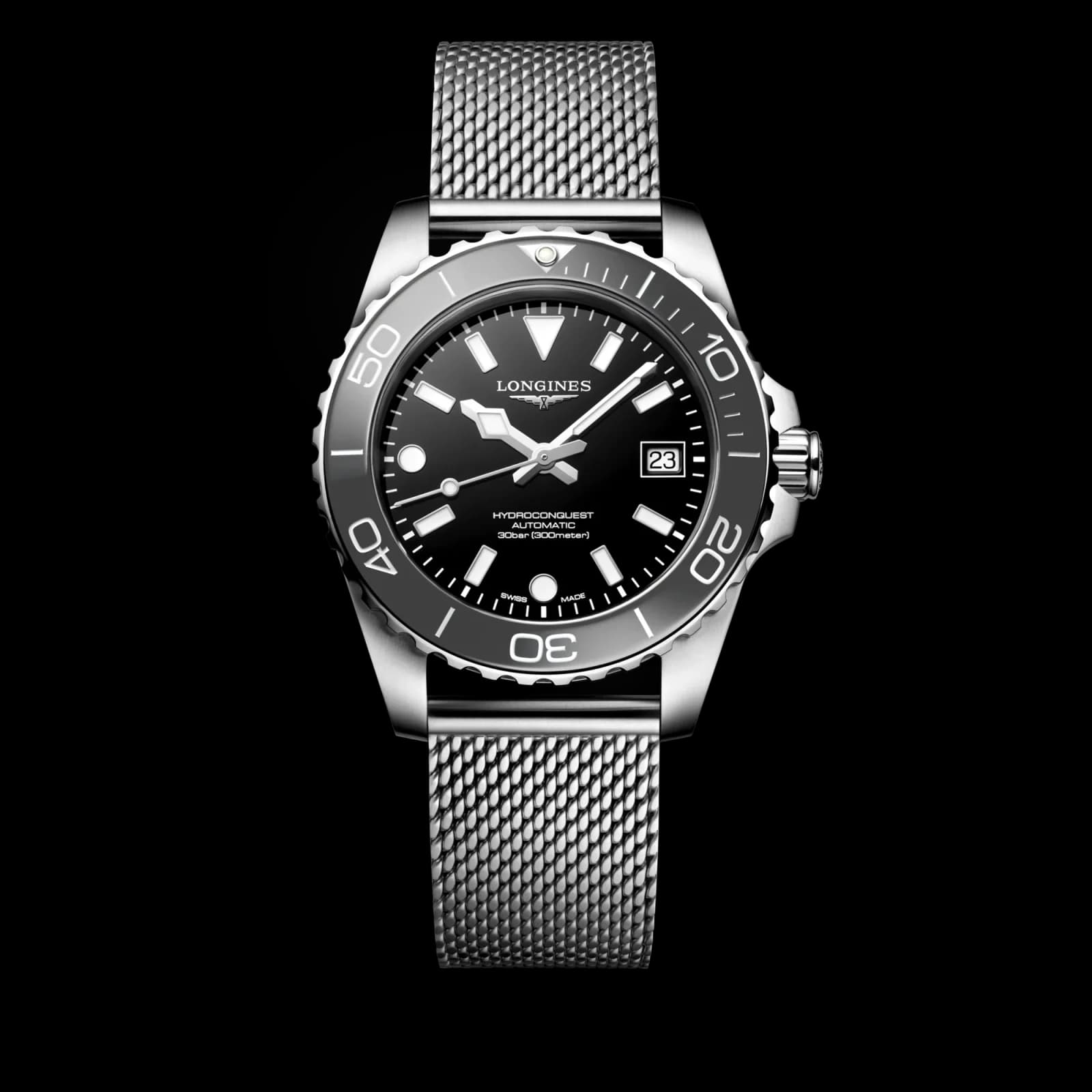
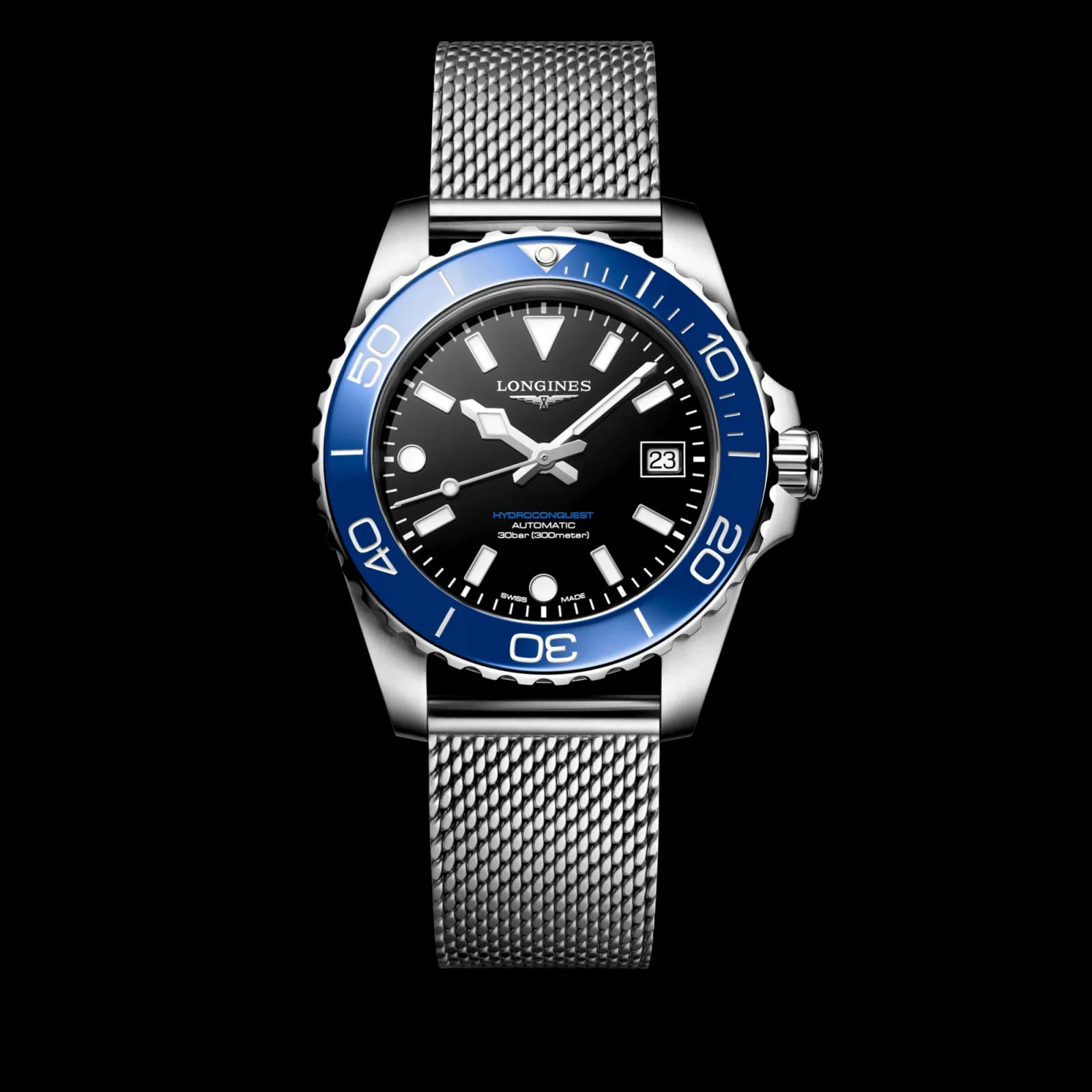
A lacquer dial is a watch dial covered in several coats of lacquer, a liquid resin that sets hard as it dries. It is put on without heat, which sets it apart from an enamel dial. Lacquer is fairly delicate. Knocks, scratches and long exposure to UV light can change how it looks.
How is a lacquer dial made?
The maker starts with a metal dial base, usually a brass plate. A coat of lacquer goes on, and the dial is set aside to dry. Once dry, it is polished, and sometimes lightly sanded as well. Then the next coat goes on. This cycle of coating, drying and polishing may be repeated as many as ten times, depending on the finish wanted.
What is urushi lacquer?
Urushi is a lacquer that does not harden just by drying out. It needs humidity. The moisture switches on an enzyme, and the enzyme turns the lacquer into a hard film. Urushi only became popular for watch dials in the 21st century. On Seiko’s Presage urushi dials, black lacquer is brushed by hand onto the metal dial base. The dial is then dried and polished.
Not to be confused with
Lacquer is easily mixed up with enamel, but the two are made in different ways. Lacquer is an organic or synthetic material. It goes onto the dial with no firing at all. An enamel dial is made the other way round. Its surface comes from silica powder melted at very high heat. Grand feu enamel is made this way. So the two finishes differ in material as well as in method.
Which watches have lacquer dials?
Grand Seiko uses black lacquer dials on some of its quartz and mechanical models. Seiko also offers urushi lacquer dials in its Presage range. Rolex used lacquered dials for the turquoise blue and yellow versions of its 2020 Oyster Perpetual 41, ref. 124300. Watches from Vacheron Constantin, Longines and Audemars Piguet have lacquer dials too.
Checked