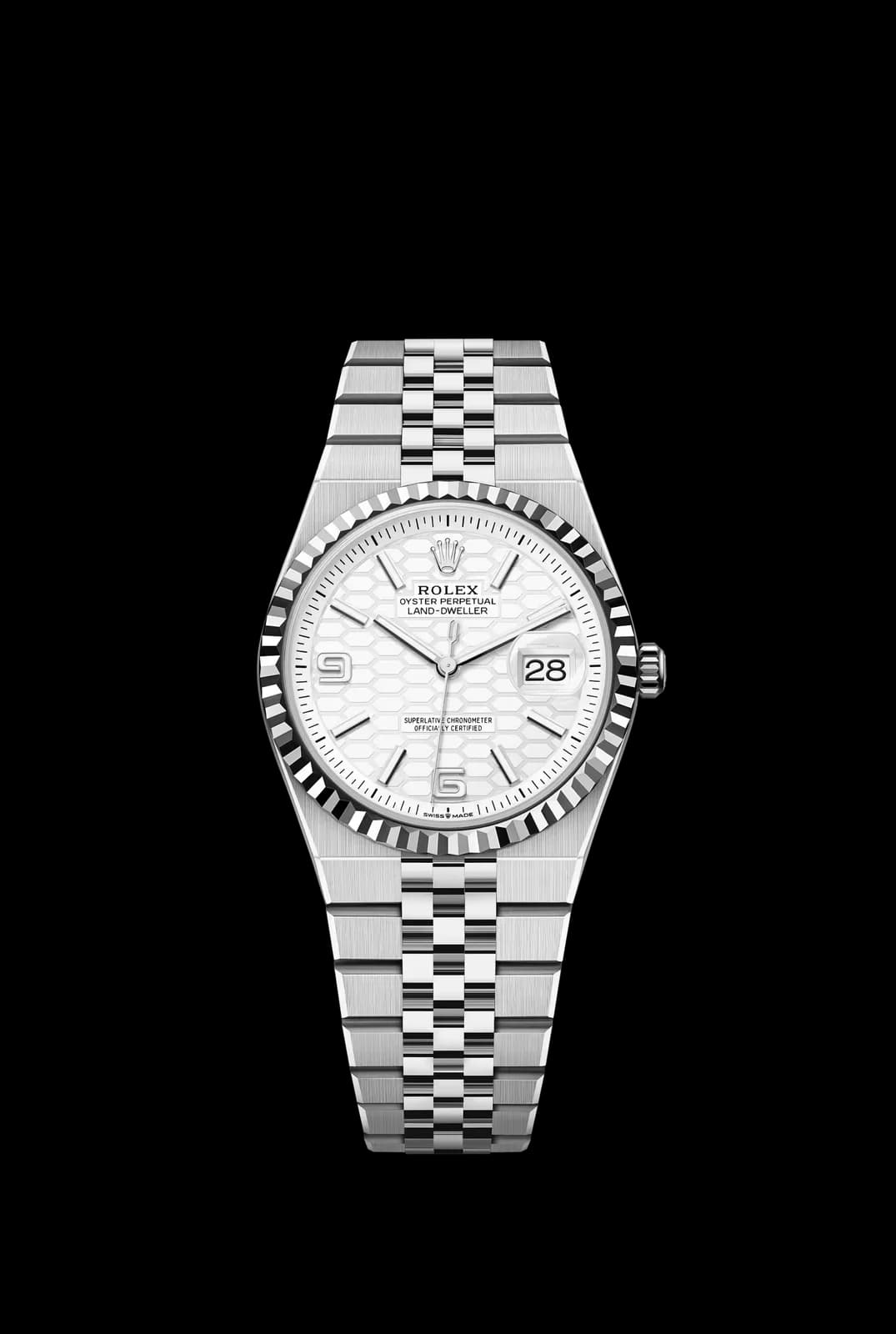
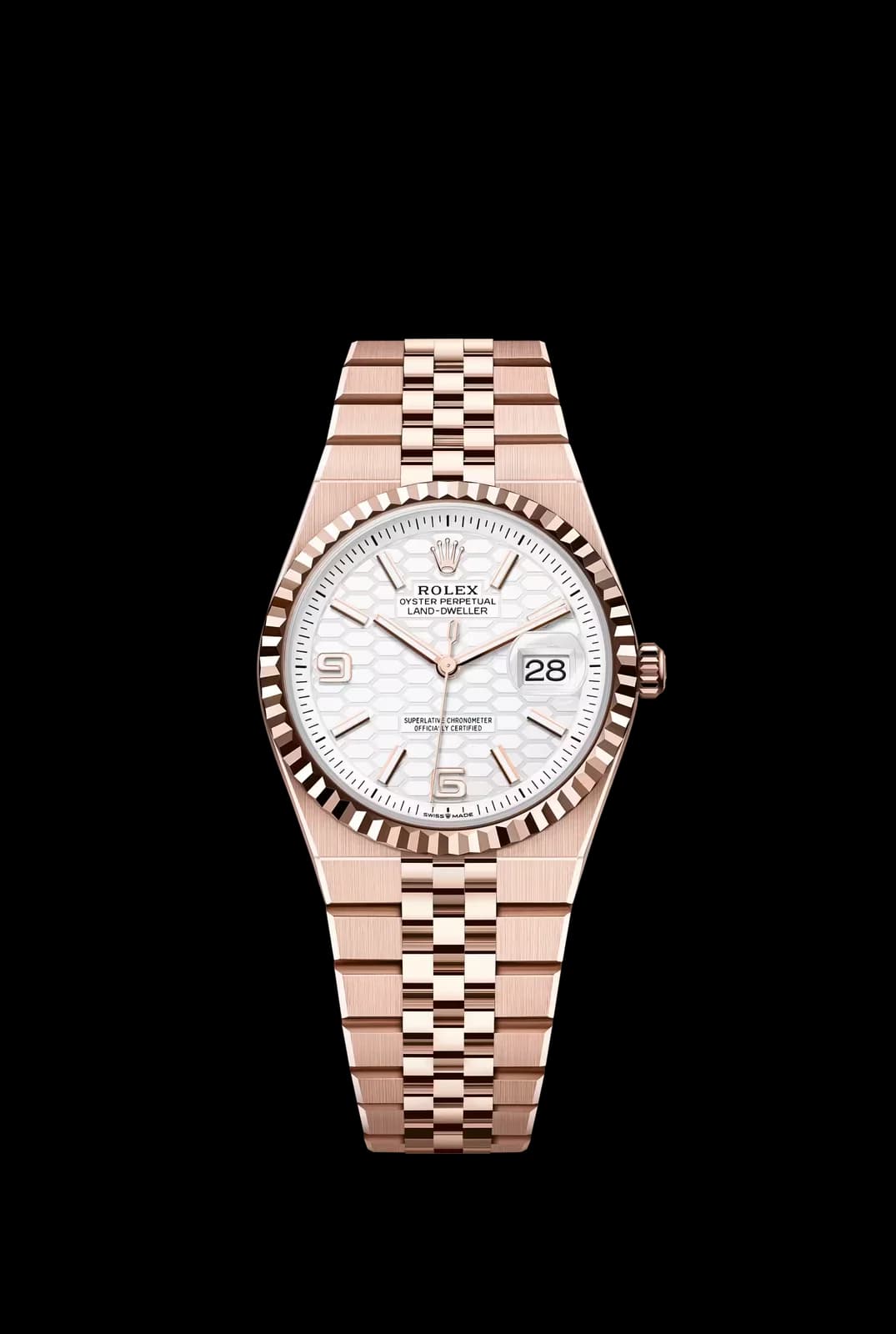
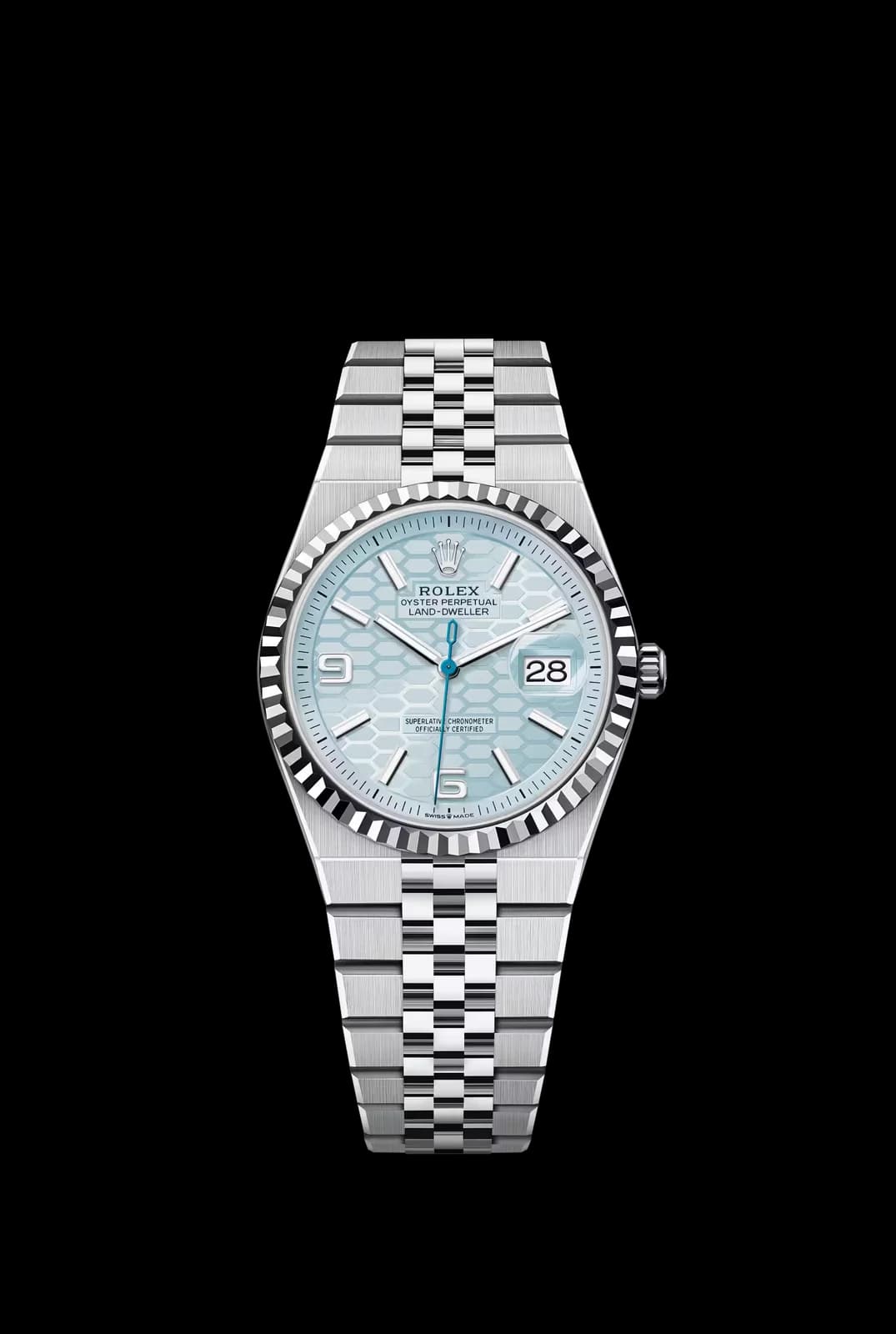
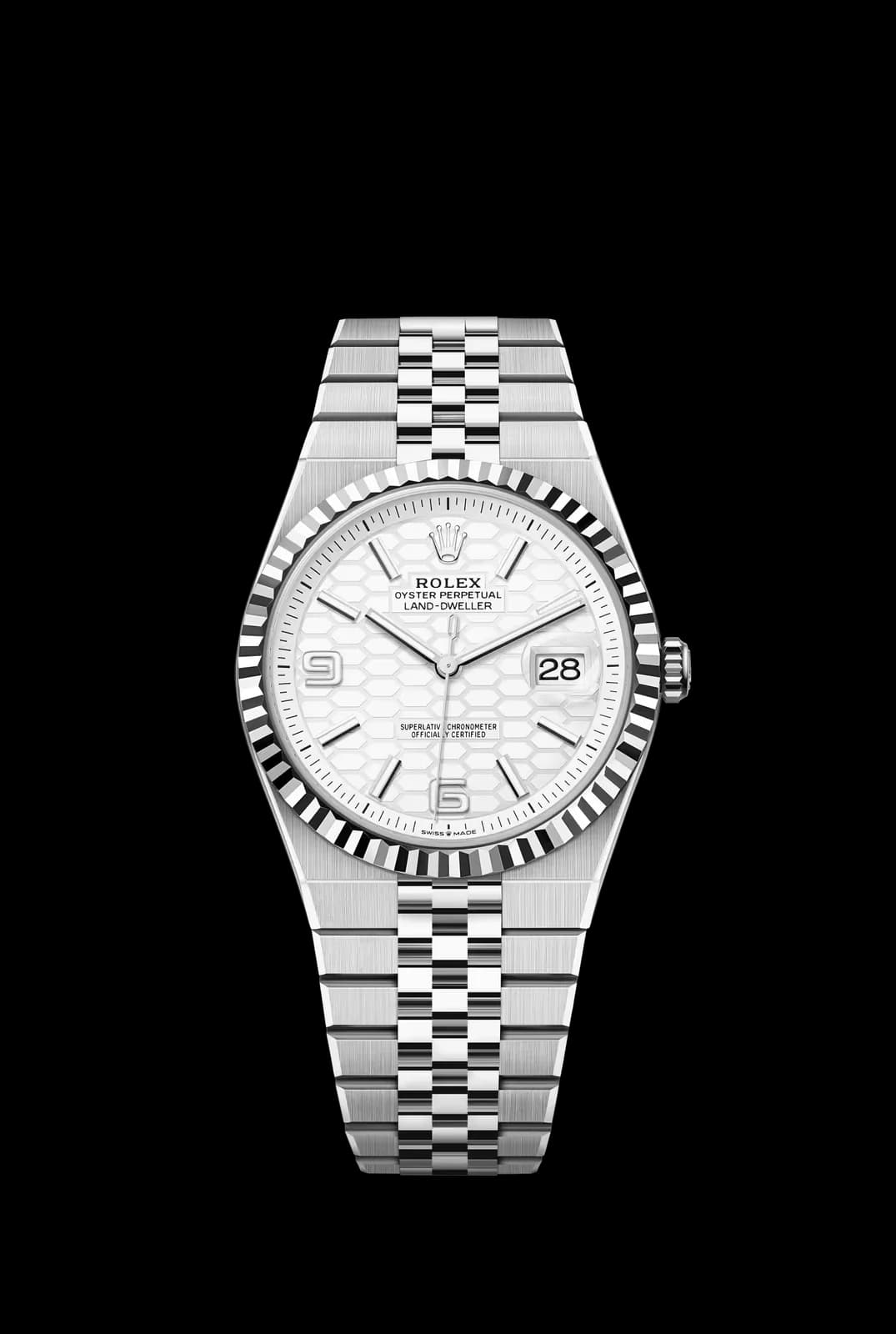
A fluted bezel is a ring of repeated peaked cuts around a watch dial, and a Rolex hallmark. It first appeared in 1926 on the Rolex Oyster case, where it helped seal out water. Today it is mainly decorative. Its many polished facets make the watch look brighter.
Why did Rolex flute the bezel?
The fluted bezel began as a working part. The 1926 Oyster was a 33 mm case in 21K gold. It had a threaded fluted bezel that screwed down, along with a screw-down crown and caseback. The fluting let the bezel be screwed firmly onto the case, which helped keep water out. Rolex bezels no longer screw down, but the fluted shape has stayed. Today its role is mainly decorative. The ridges are also said to give a grip for handling the bezel when it is fitted over the sapphire crystal.
Why does a fluted bezel look so bright?
The effect comes from the grooved surface. A fluted bezel is made up of a ring of repeated peaked cuts. Each peaked cut has facets, and every facet is polished to a high shine. Cutting the ring this way roughly doubles the bezel’s flat polished surface. That extra polished surface makes the watch look brighter. The fluting technique is said to come from glassblowing and jewellery making.
Which watches have a fluted bezel?
On current Rolex watches, fluted bezels come only in 18K gold or 950 platinum. The main Rolex lines that wear one include the Day-Date and the Sky-Dweller. The shape is not found on Rolex alone. Other brands have long copied Rolex and fitted fluted bezels to their own watches. Even so, the fluted bezel remains a Rolex hallmark.
Not to be confused with
A smooth bezel is a plain ring with a mirror polish and no fluting. It lacks the grooved, faceted surface that a fluted bezel relies on for its shine. A coin-edge bezel also has ridges, but they are much finer than the peaked cuts of a fluted bezel. Rolex uses a coin-edge bezel on the Perpetual 1908.
Checked