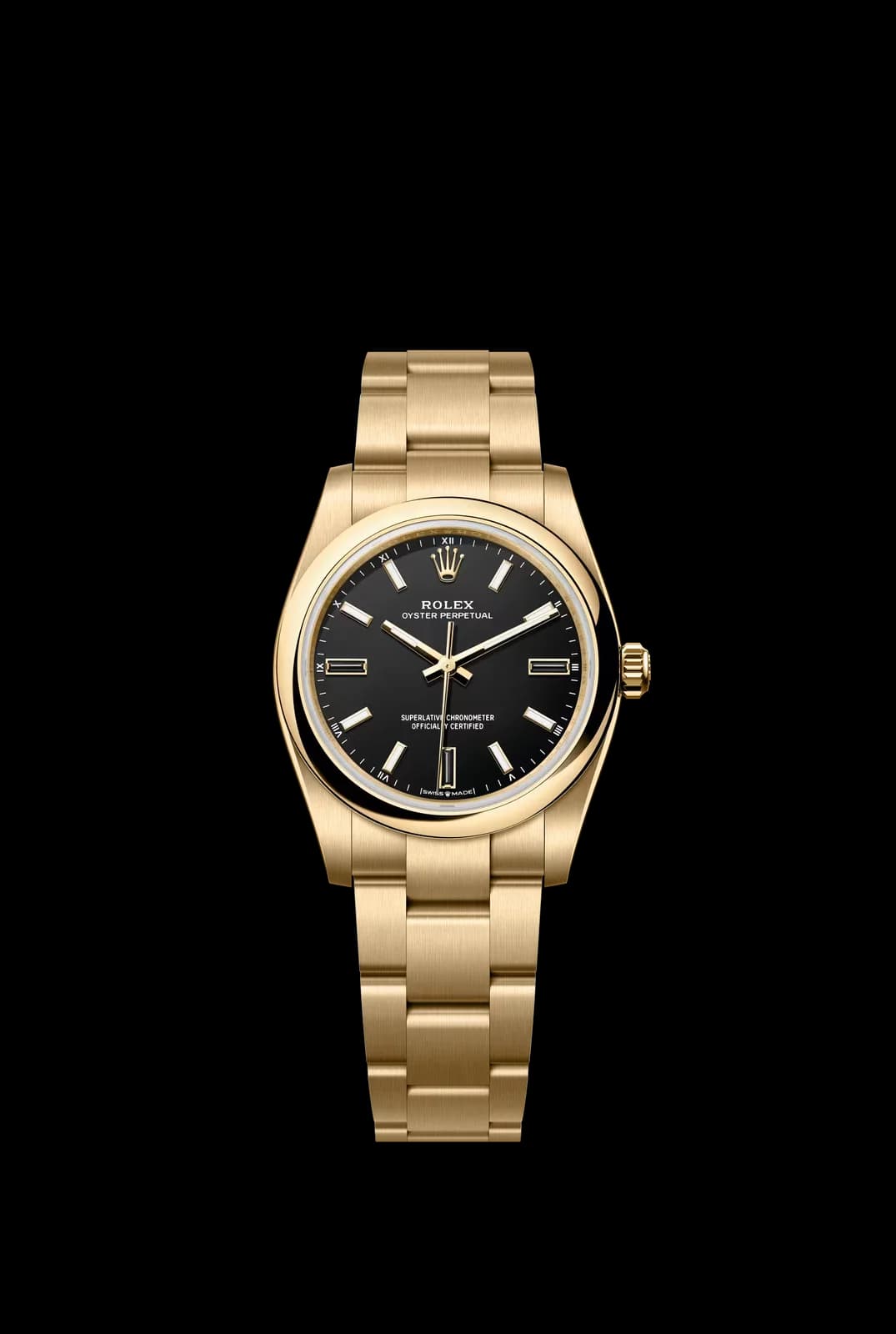
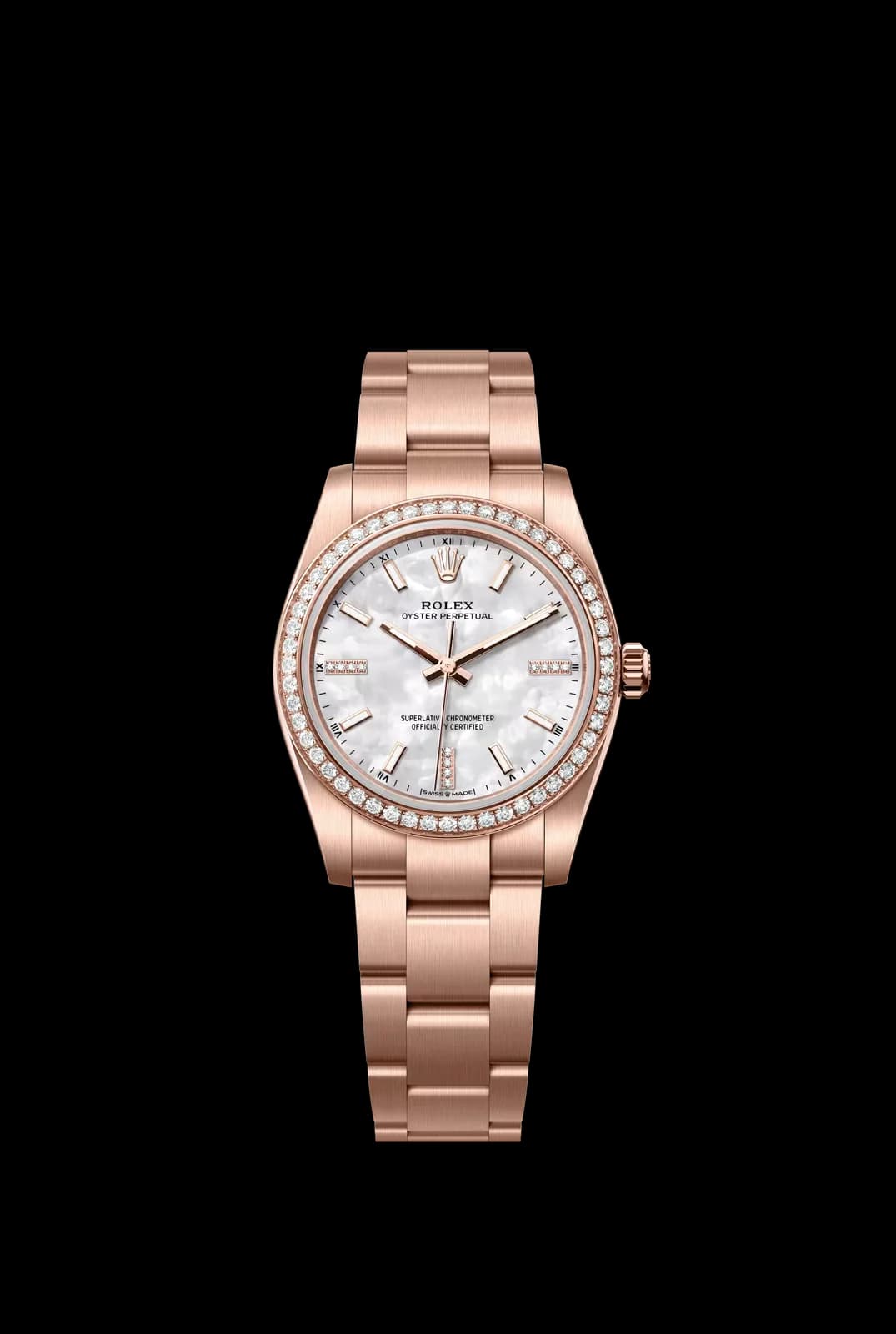
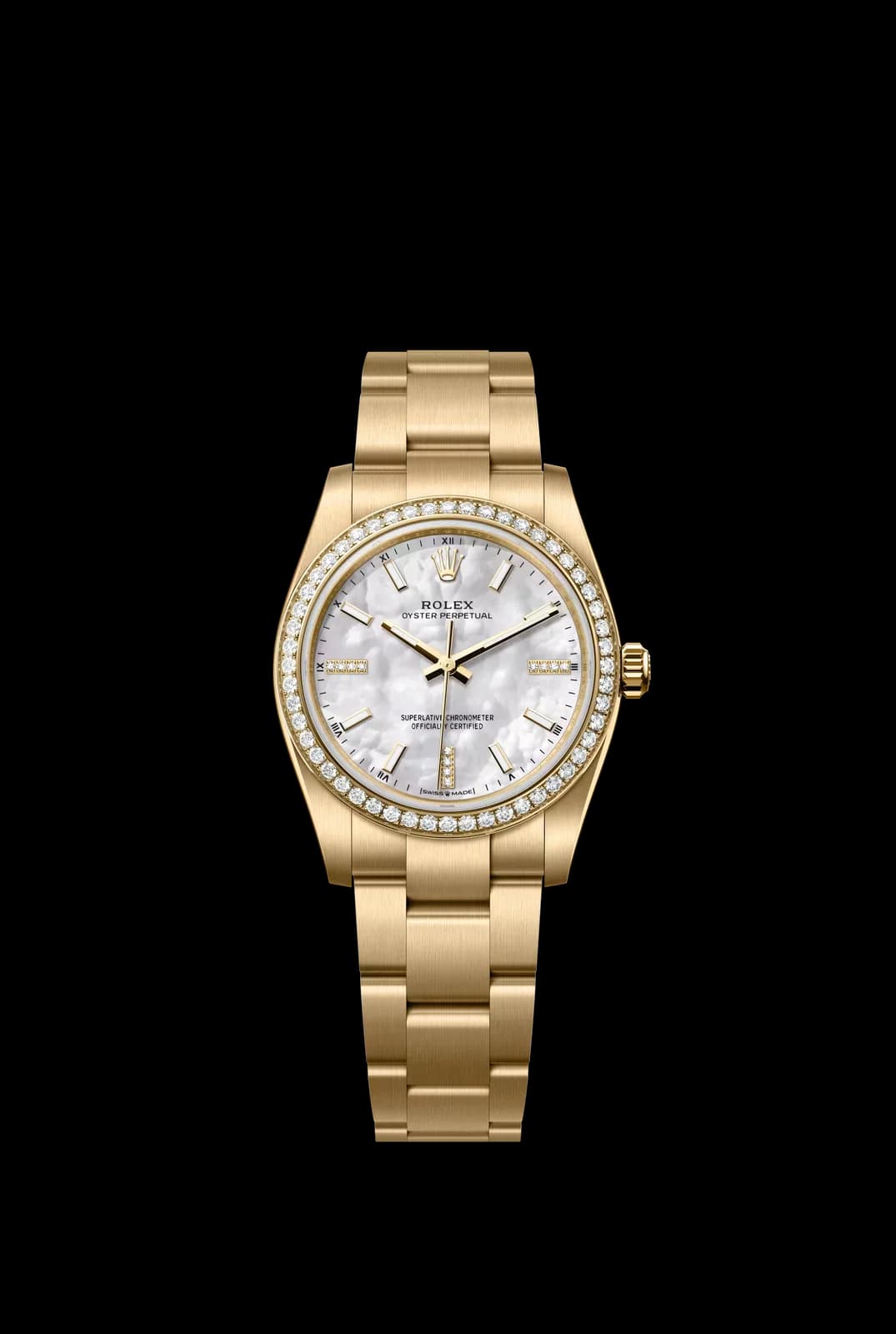
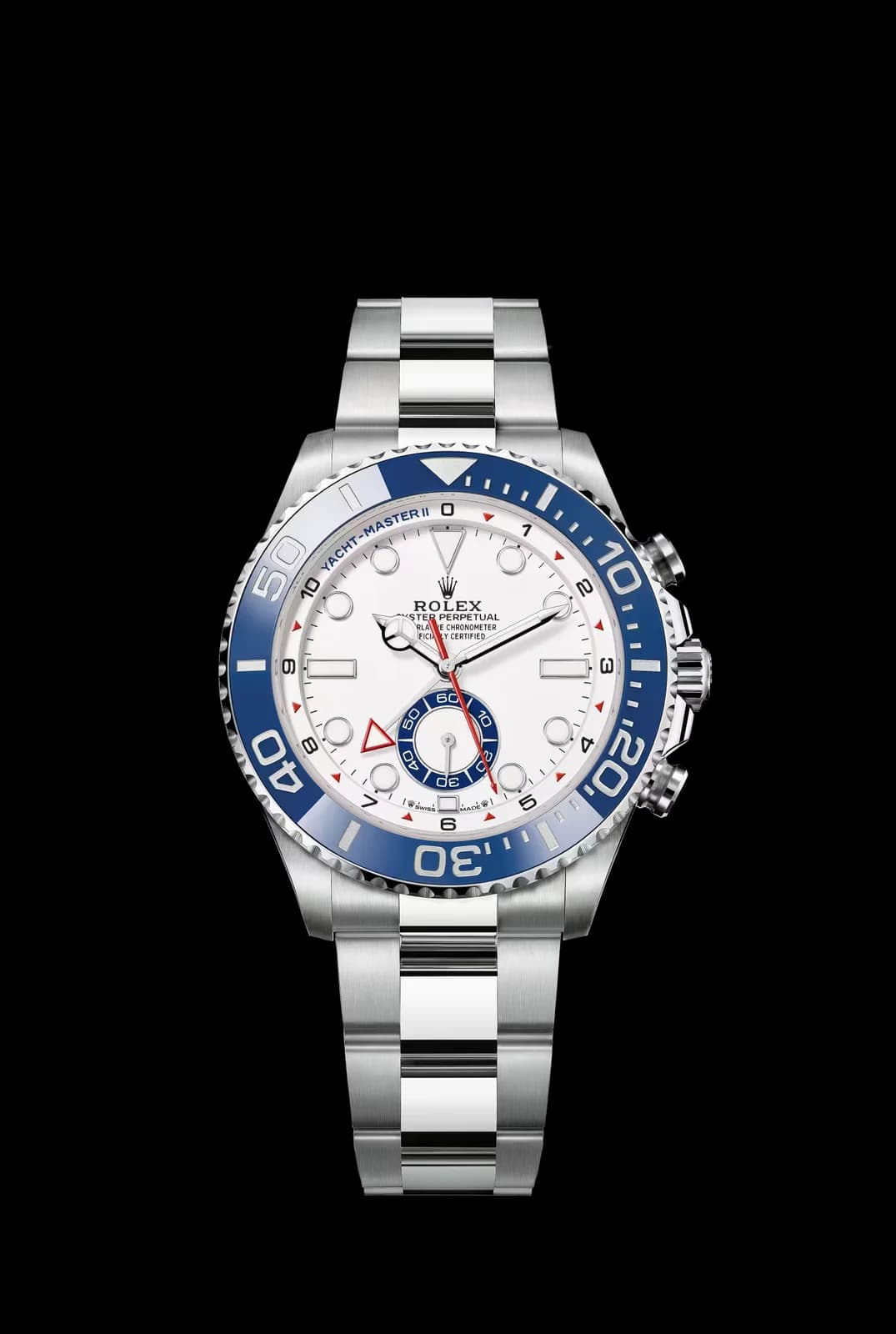
Superlative Chronometer is Rolex’s own certification for its watches. It checks and guarantees the main performance characteristics of every individual watch. Its accuracy guarantee covers the finished, cased watch. That watch may gain or lose no more than two seconds a day while worn.
How does it differ from an ordinary chronometer?
An ordinary chronometer is a movement certified against official criteria by an independent body. In Switzerland, that body is COSC. COSC tests the bare movement before it goes into a case. It allows a daily rate of minus four to plus six seconds. Rolex sets a tighter limit of two seconds a day, gained or lost, while the watch is worn. Its guarantee also covers the finished watch, not the movement alone. The two certifications do not replace each other. Rolex movements still pass COSC certification first. Rolex then runs its own extra tests on top.
What does Rolex test?
The tests cover four areas: accuracy, power reserve, water resistance and automatic winding. Each watch is fully wound before testing, so that its power reserve can be measured. Water resistance is checked twice. The first test uses air pressure. The second takes place underwater, in high-pressure tanks. These checks apply to every individual watch. A green seal comes with each watch to mark its Superlative Chronometer status. The seal goes with a five-year international warranty.
Where it comes from
Rolex coined the term to describe the exceptional qualities of its precision movements. The word builds on an older practice. Under earlier testing rules, movements that did especially well received certificates carrying a special citation. Rolex’s use of the word superlative draws on that idea of a standout result. In 1914 a Rolex wristwatch received the first class A certificate from the Kew Observatory. In 2015 Rolex made its Superlative Chronometer criteria stricter.
Checked