A tourbillon is an add-on to a watch’s escapement, meant to help it keep better time. It holds the balance wheel and escapement in a turning cage, to cancel out errors caused by an unevenly weighted balance. Modern mechanical watches can be highly accurate without one. It is now prized mostly in collectors’ and expensive watches.
How does a tourbillon work?
The balance wheel and the escapement sit together inside a small cage. The cage spins around its own axis, so the whole regulating part of the watch turns as one unit. If the balance is not evenly weighted, it causes timing errors. As the cage turns, those errors are meant to cancel each other out. The aim was to fight the effect of gravity on the watch’s rate. Breguet’s own tourbillon watches were said to keep the same accuracy whether the watch was held upright or at a tilt.
Where it comes from
The English watchmaker John Arnold came up with the idea. His friend Abraham-Louis Breguet developed it and took out a patent on 26 June 1801. Breguet described his invention as setting the whole escapement inside a movable cage that spins around its own axis. Breguet tourbillons were sold from 1805, and few had found buyers by the time of his death in 1823.
What are flying and double-axis tourbillons?
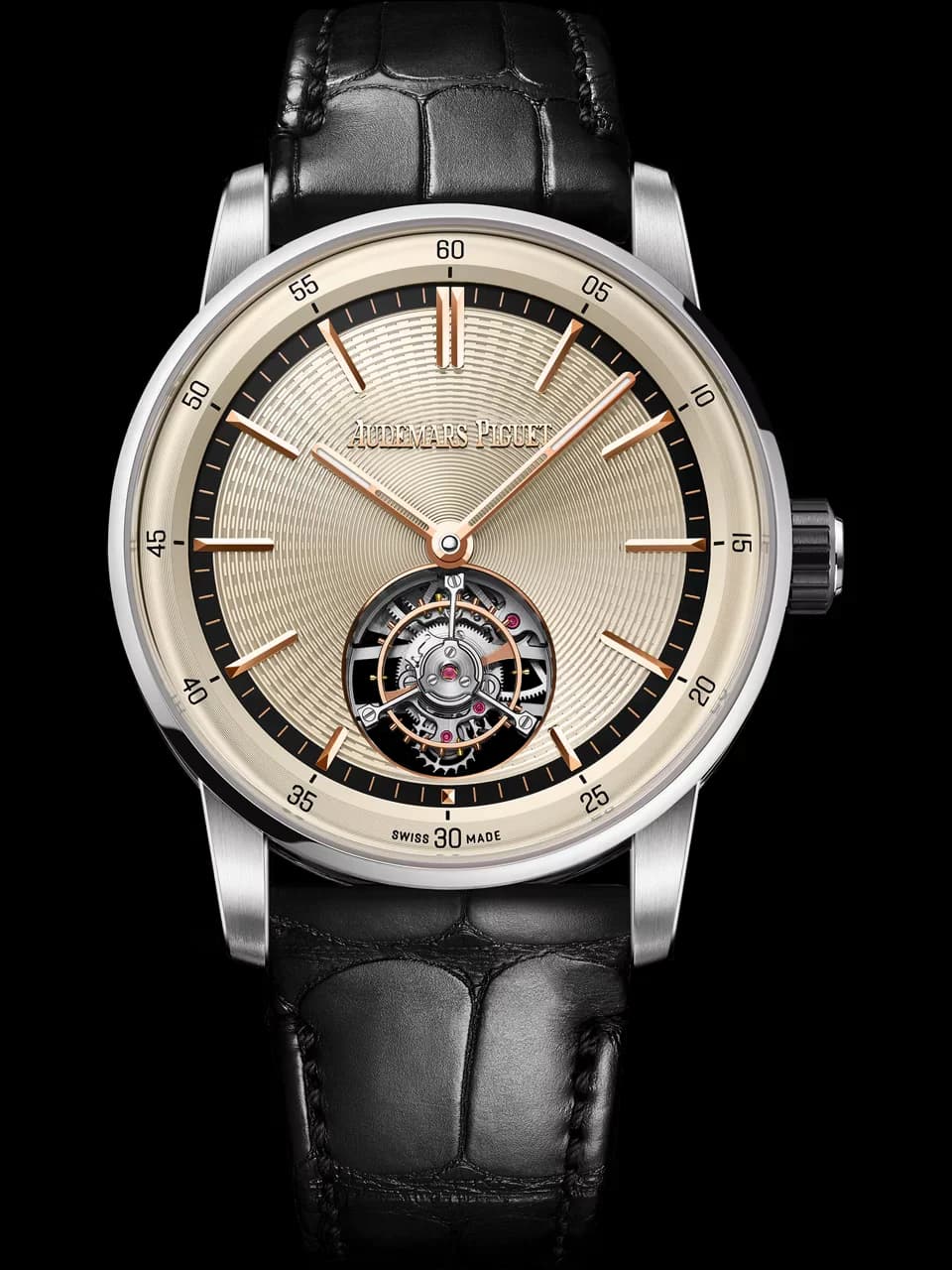
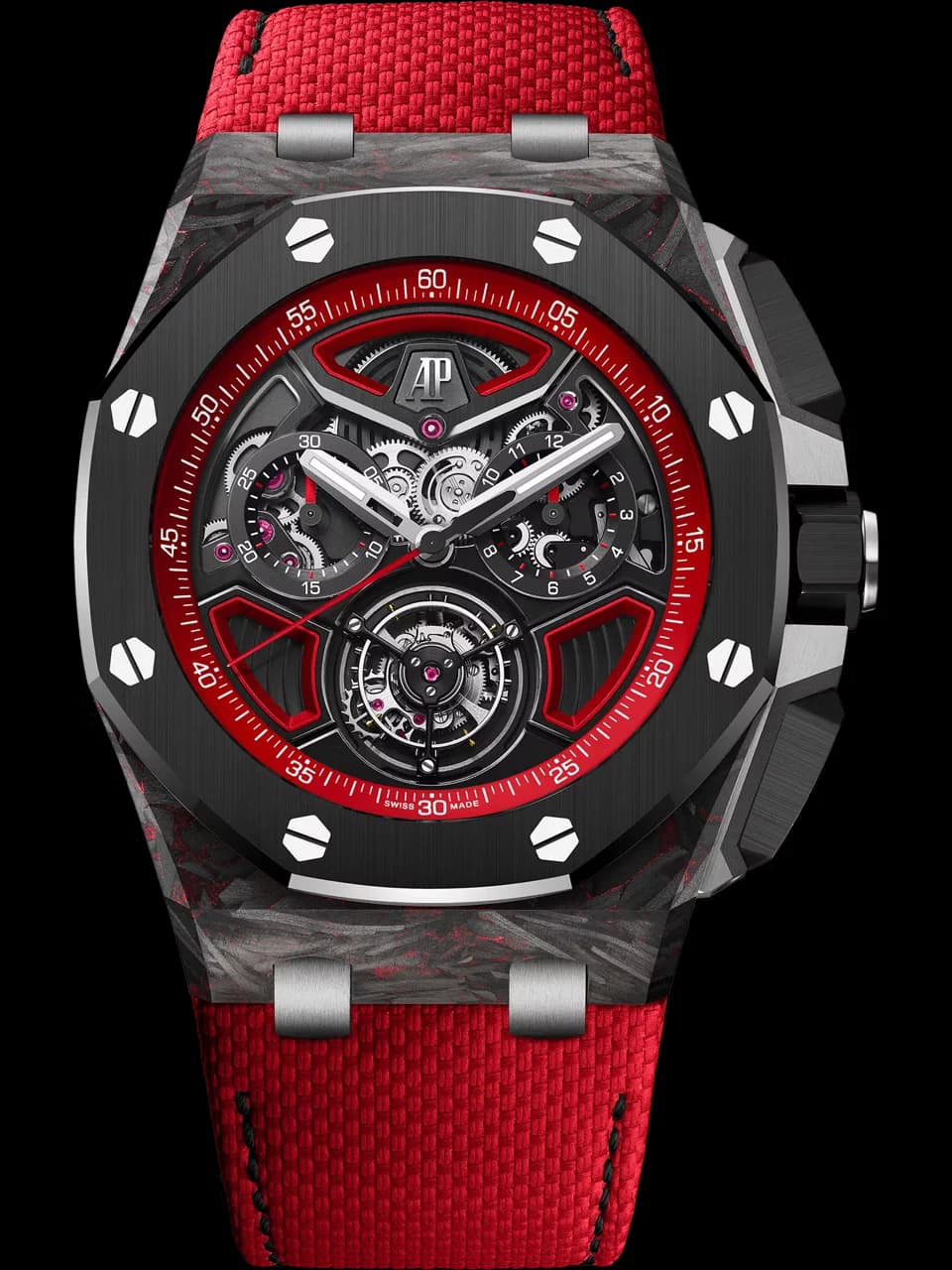
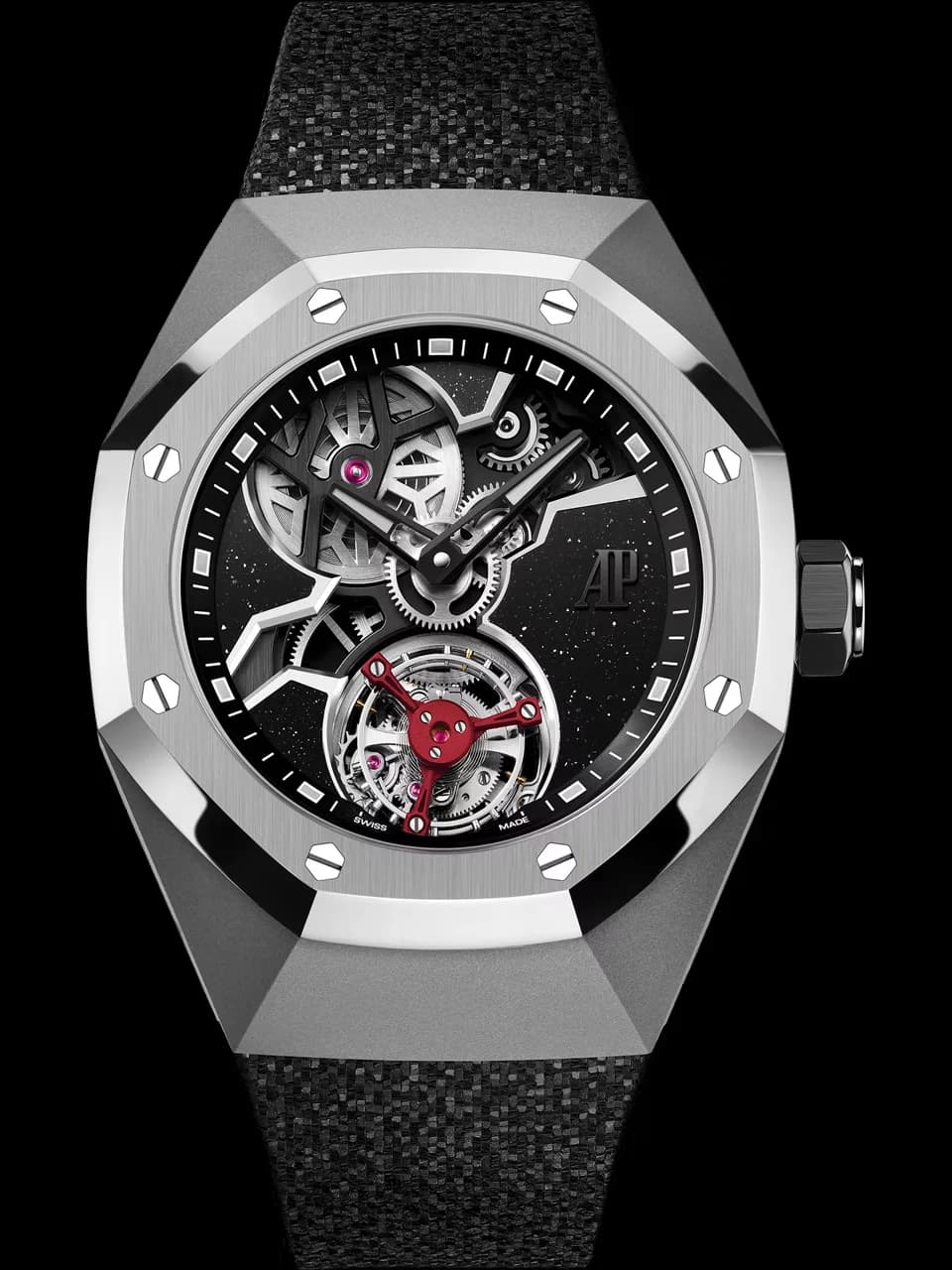
A standard tourbillon cage is held by a bridge at the top and bottom. A flying tourbillon has no such bridges. Its cage is held from one side only. Alfred Helwig, a teacher at the German School of Watchmaking, designed the first in 1920. The double-axis tourbillon came later. Anthony Randall invented it in January 1977 and later patented it. One Jaeger-LeCoultre Gyrotourbillon is a double-axis tourbillon that also has a perpetual calendar and an equation of time display. Audemars Piguet and IWC Schaffhausen also make watches with a tourbillon.
Not to be confused with
The karrusel, invented by Bahne Bonniksen, is a related device. It also puts the escapement on a rotating platform. Like the tourbillon, it was first designed to fight the effect of gravity on a watch’s rate when the watch is upright. Both turn the escapement while the watch runs, but they are separate designs with separate inventors.
Checked