GMT is a watch complication that shows the time in a second time zone. An extra hour hand goes round the dial once a day and is read against a 24-hour scale. The wearer can keep the local time and the time in another zone in view on one dial.
How does a GMT watch work?
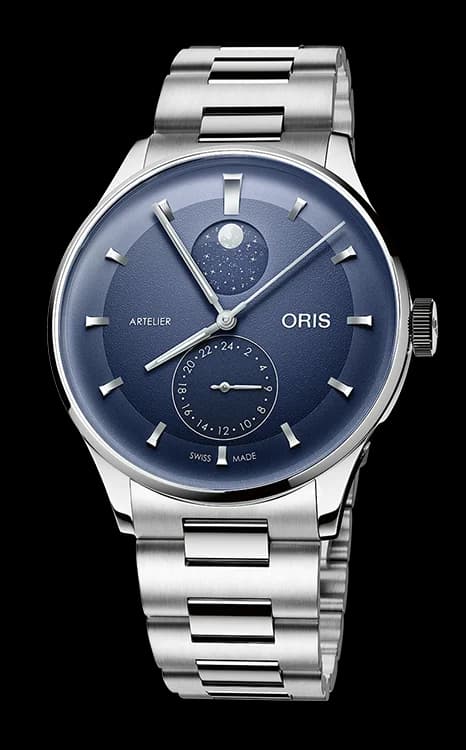
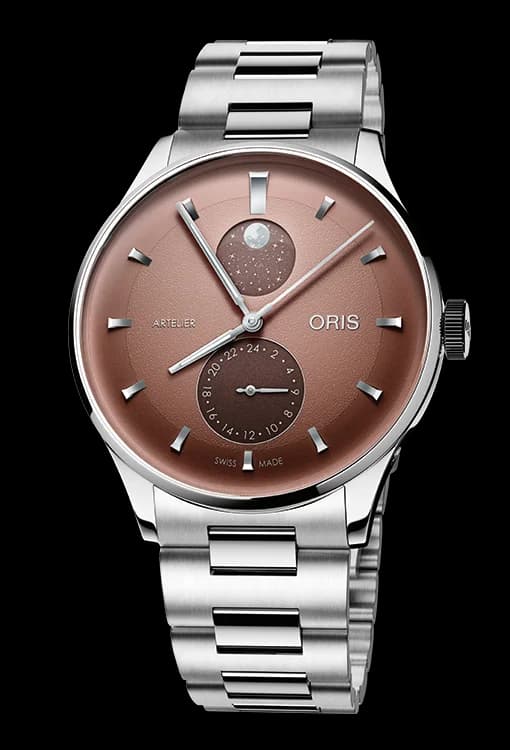
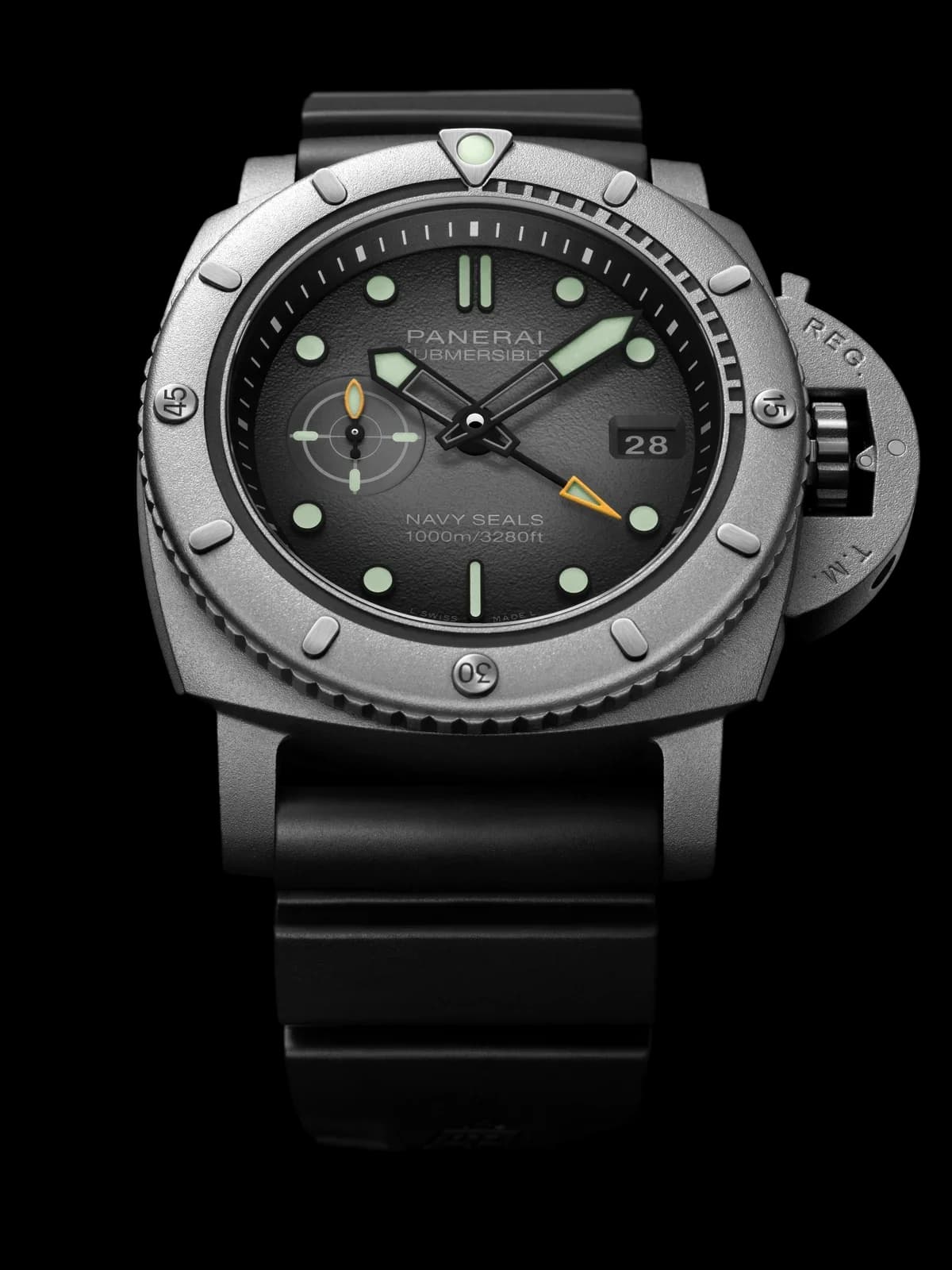
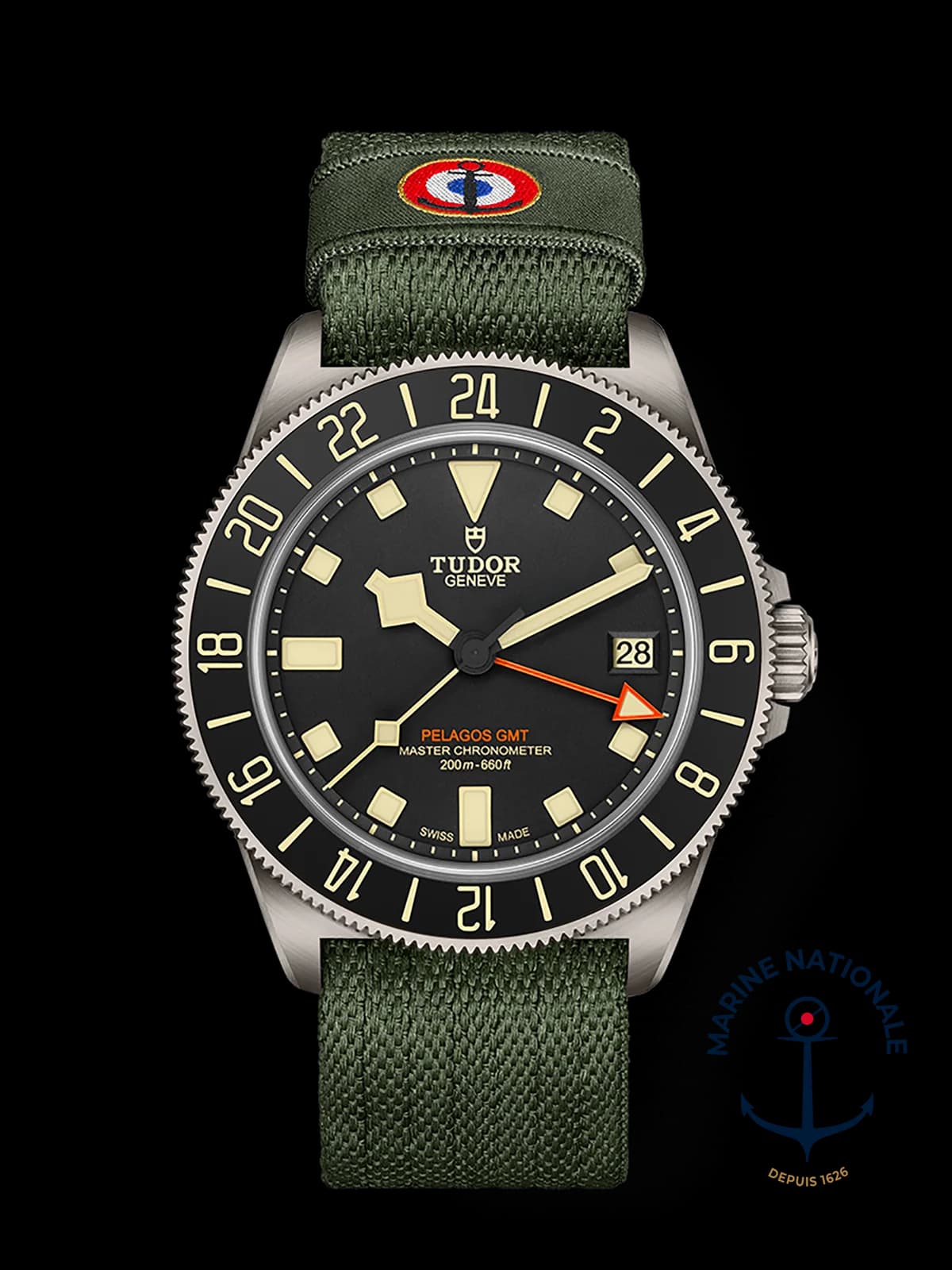
The simplest GMT watch adds a second hour hand at the centre of the dial. This hand goes round once a day instead of twice. It is read against a 24-hour scale, printed either on the bezel or on the dial. The wearer sets it to the hour in a time zone of their choice. Some watches show the GMT time on a separate 24-hour subdial instead. Because the subdial runs to 24, it also tells the wearer whether it is day or night in the other zone. Panerai, Breitling and Oris all make watches with this complication.
Where it comes from
GMT stands for Greenwich Mean Time. This is the mean solar time at the Royal Observatory in Greenwich, London. Put simply, it is the average moment at which the sun passes over the Greenwich meridian. Glycine brought out its Airman in 1953, before the Rolex GMT. Rolex launched its GMT watch in 1954, developed together with Pan American Airways. In 1972 GMT stopped being the official international time standard and was replaced by UTC. Even though the complication is called GMT, the second zone it shows is seldom Greenwich time.
Not to be confused with
A world time watch shows the time in cities all over the world at once. A GMT watch adds just one extra zone. Dual time has no official definition, but it has come to mean watches that show two time zones on two separate dials. The basic GMT display has clear limits. It shows no more than two time zones. It also cannot handle zones that are offset by a half hour or a quarter hour.
Checked