An acrylic crystal is a watch crystal made of polymethyl methacrylate, a clear, light plastic moulded to fit the case. It became the standard crystal after the Second World War, and almost every vintage watch from the 1950s to the 1970s has one. It scratches easily but resists shattering, and scratches can be polished out.
Where it comes from
The material was developed in 1928. Otto Röhm was trying to make safety glass when he got a clear plastic sheet instead. In 1933 he gave it the trademark Plexiglas. The Rohm and Haas company put it on sale about five years after it was first developed. It is also sold under other brand names, such as Perspex. Outside watchmaking, it is widely used in sheets as a lighter substitute for glass that resists shattering.
How does an acrylic crystal wear?
Acrylic is soft. It sits at about 3 to 4 on the Mohs hardness scale, so it picks up scratches easily. The good news is that scratches need not be permanent. A polishing compound such as PolyWatch can take them out. Acrylic is also much less likely than glass or sapphire to shatter when the watch takes a knock. Over time it can turn yellowish, especially in UV light, and the crystal then becomes less clear.
Not to be confused with
Mineral glass and sapphire crystals are not plastics. Acrylic is a plastic, and it is formed in a mould. The three materials also differ in how they handle scratches. Mineral glass resists them better than acrylic, but not as well as sapphire. Acrylic offers the least scratch resistance of the three. In return, it is the least likely to shatter in a knock.
Which watches have acrylic crystals?
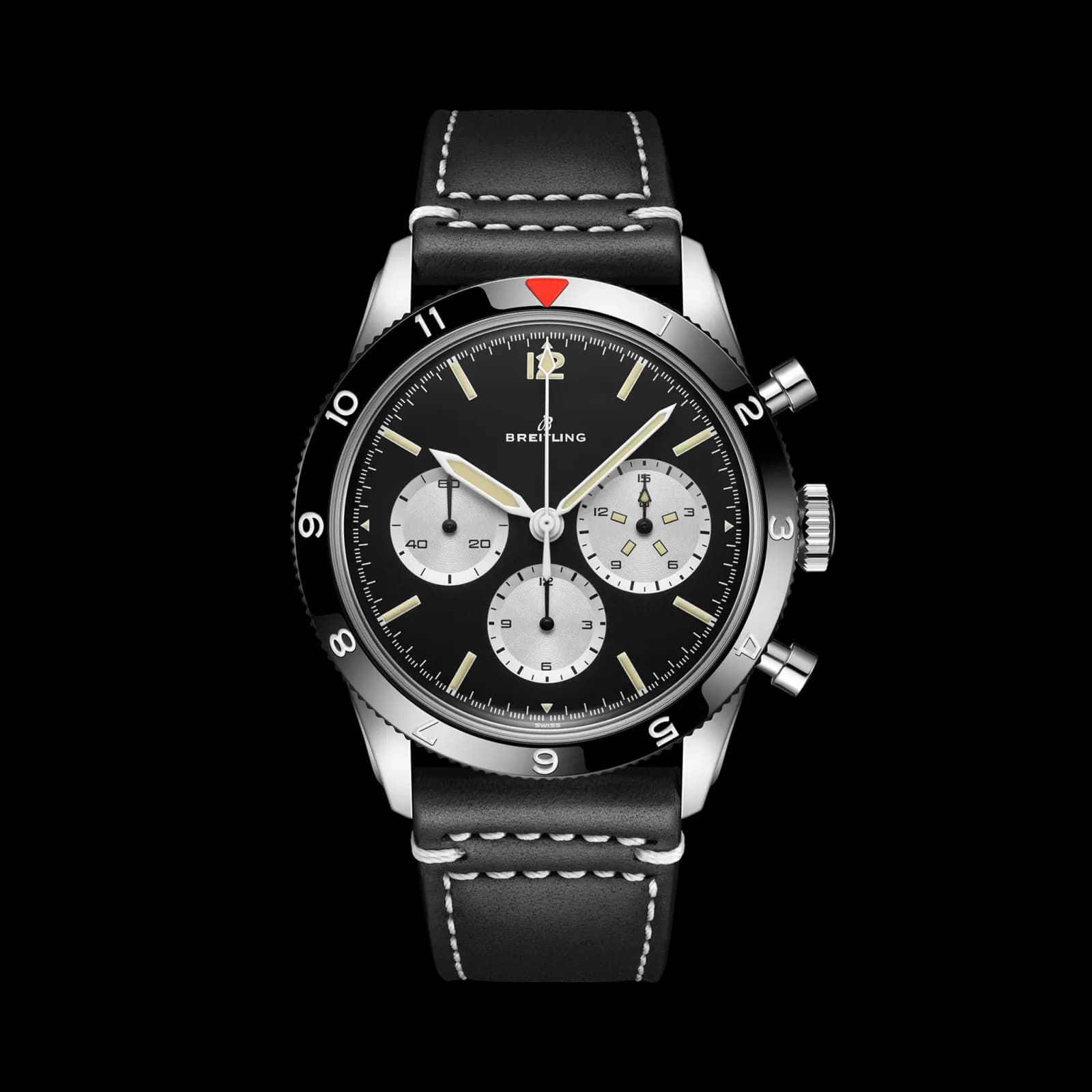
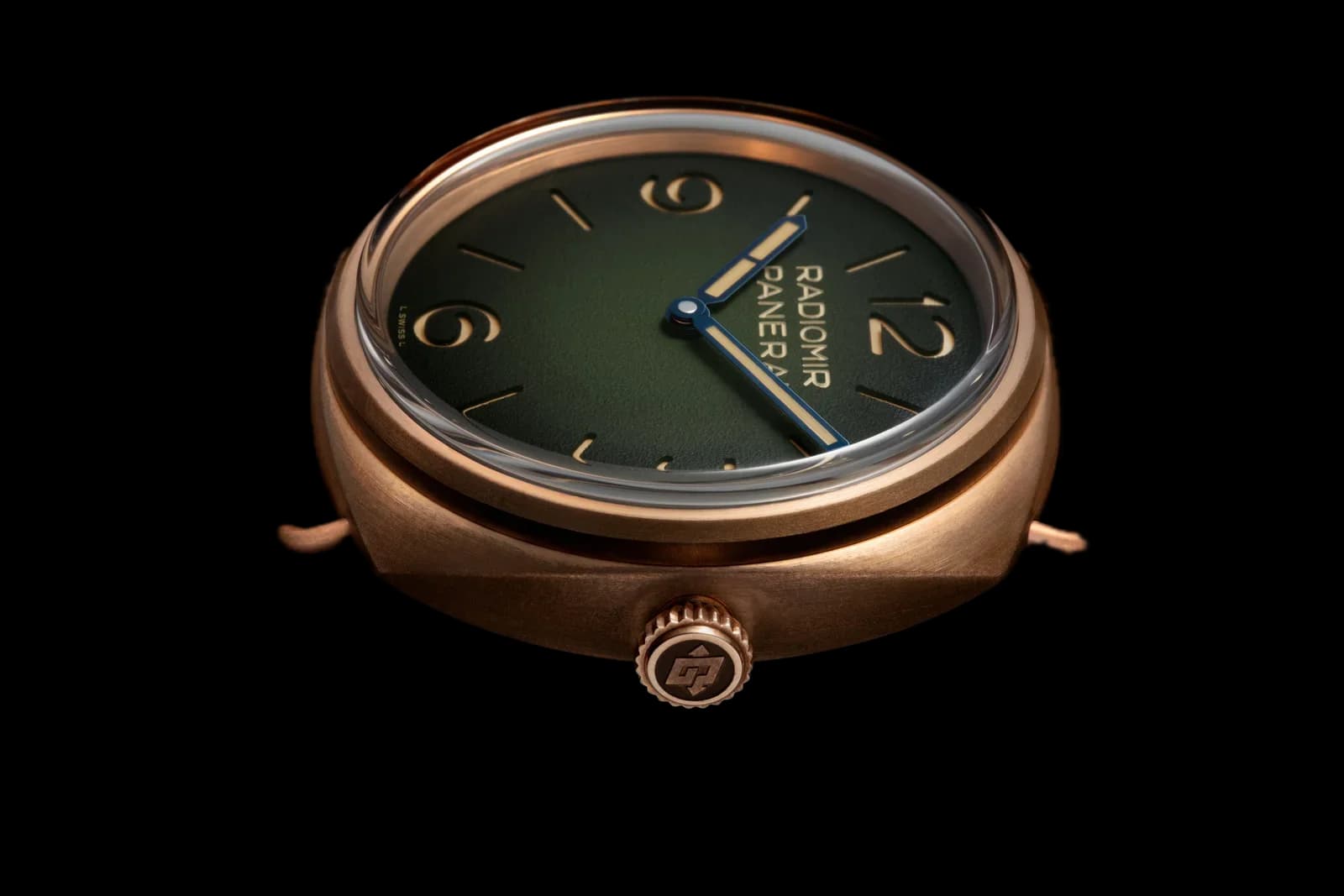
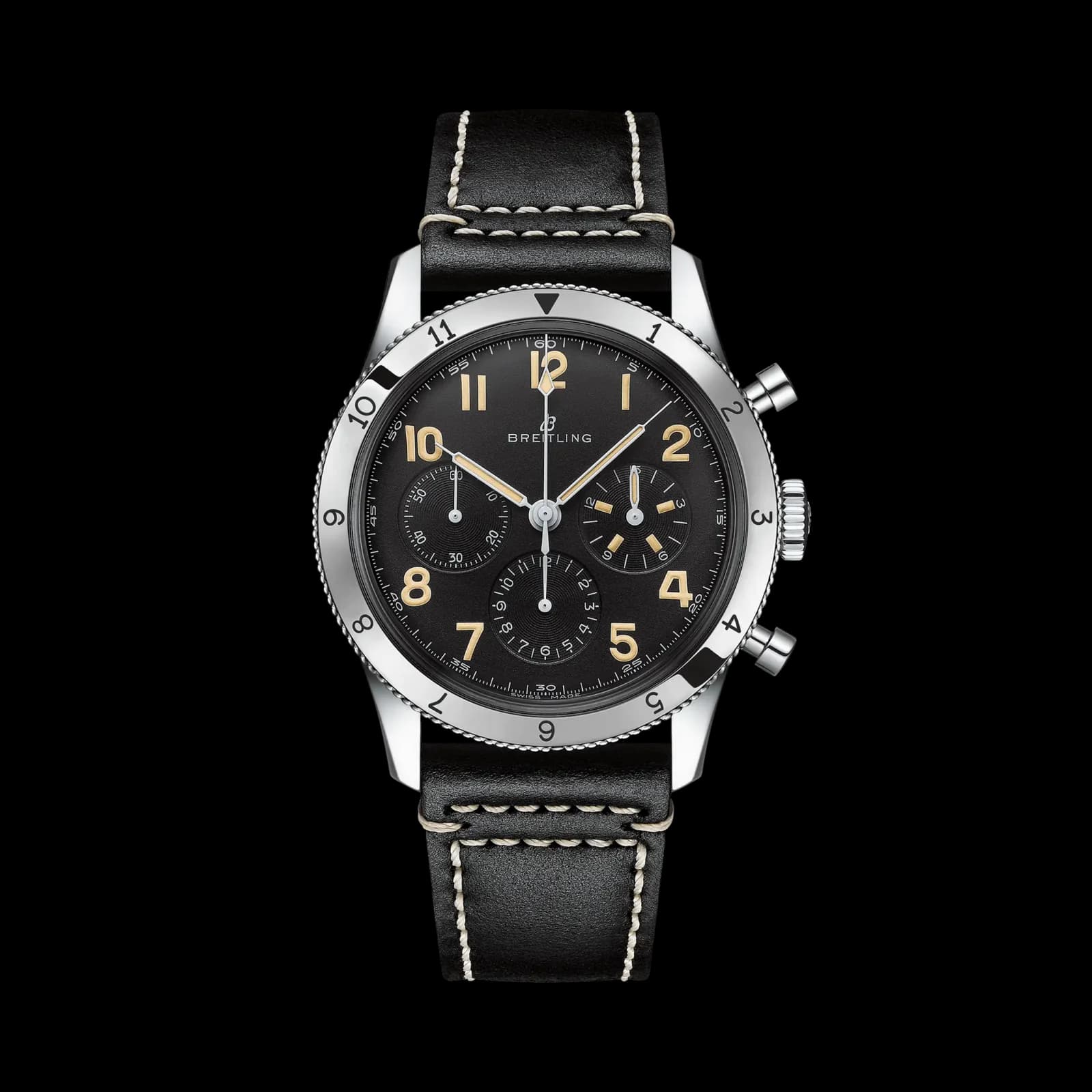
The best-known modern example is the Omega Speedmaster Moonwatch. Omega calls its acrylic crystal Hesalite. Acrylic also appears on watches from IWC Schaffhausen and Panerai. At the other end of the market, it is used on low-cost watches where the maker needs to keep costs down. Some Timex and Baltic models are examples.
Checked