Anti-reflective coating is a thin, low-reflection layer put on a watch’s sapphire crystal. Sapphire has a high refractive index, which means it bends light strongly. The coating cuts down the light that bounces off the crystal. The same kind of coating is used on lenses, other optical parts and solar cells.
How does an anti-reflective coating work?
An anti-reflective coating is built from one or more thin layers. The thickness of each layer is set so that light reflected from the layer boundaries cancels itself out. This is called destructive interference. The simplest version is a single layer one quarter of a chosen wavelength thick, known as a quarter-wave layer. The same principle applies to coatings on lenses and other optical parts. A magnesium fluoride coating, for example, lowers the reflection of crown glass from about 4% to about 1%.
Where it comes from
Glass has been coated since the late nineteenth century. Lord Rayleigh found the simplest form of the effect in 1886. In 1904 Harold Dennis Taylor of the Cooke company worked out a chemical way to make such coatings. In 1935 Olexander Smakula, then working at Zeiss, invented and patented coatings based on interference. The coating reportedly became common on watch crystals only after the 1990s.
Does the coating wear off?
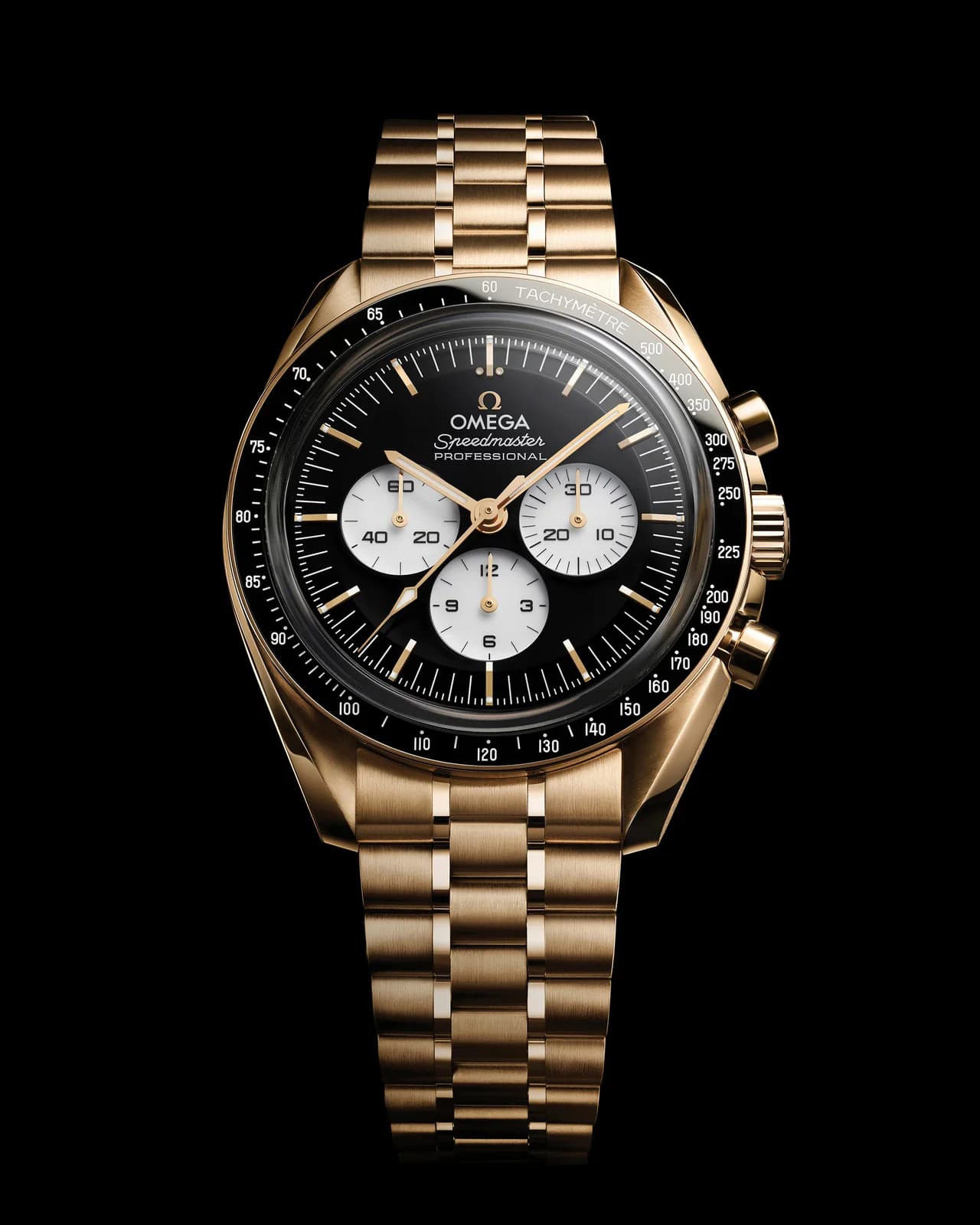
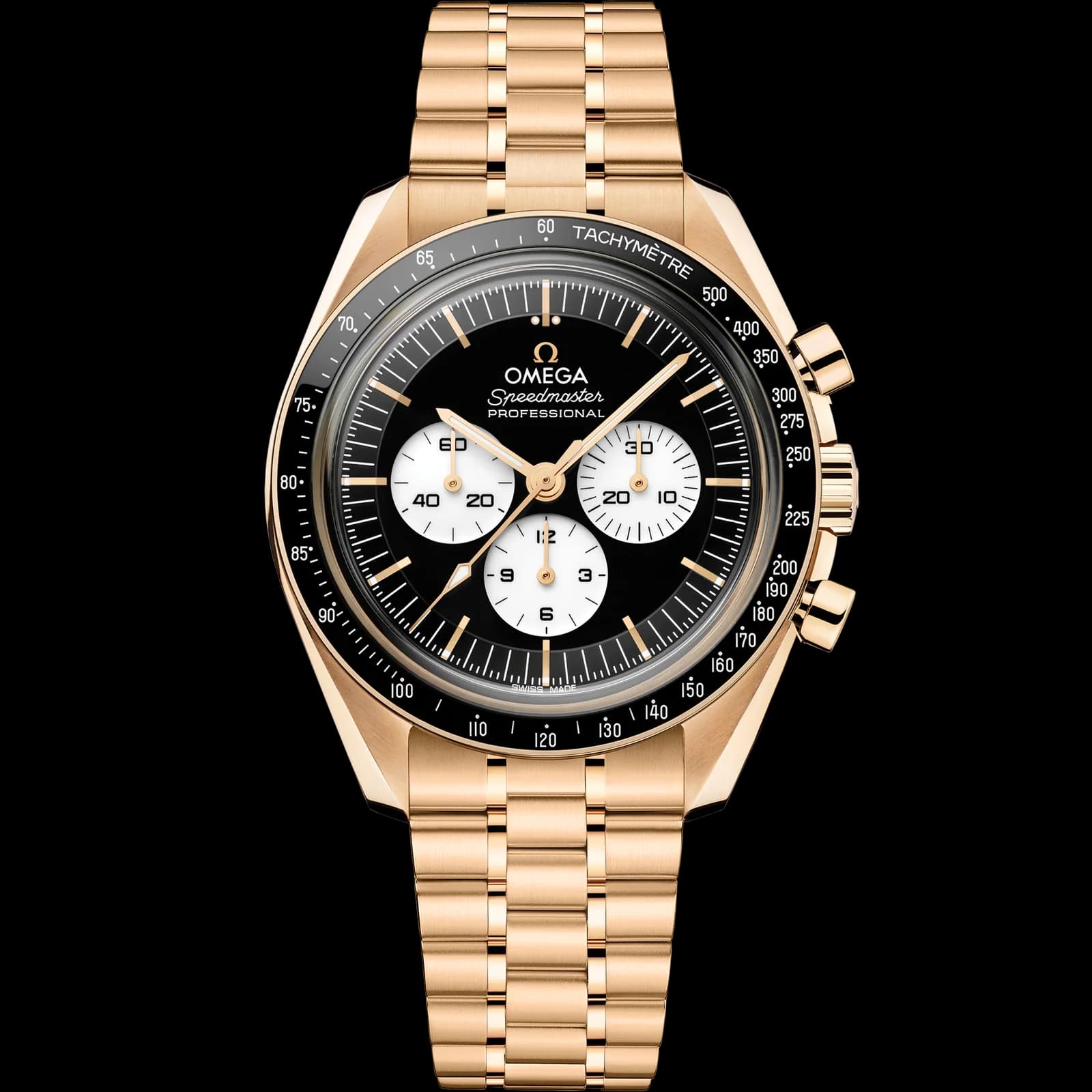
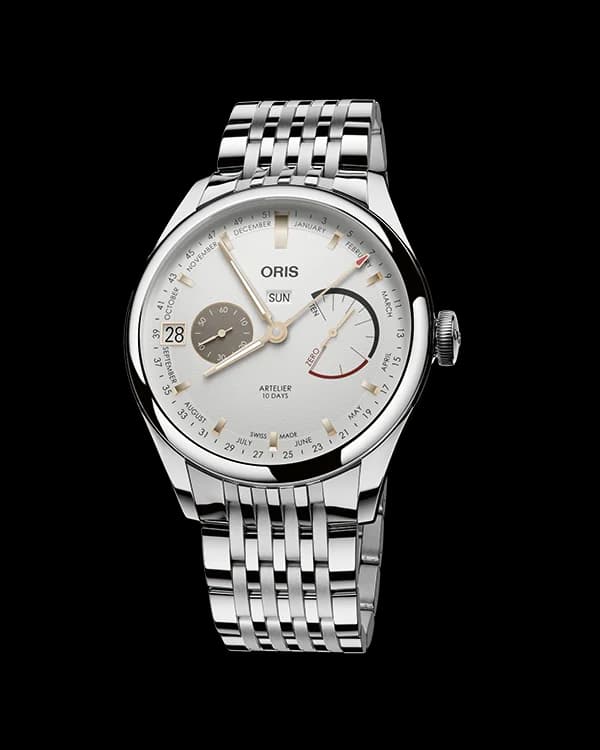
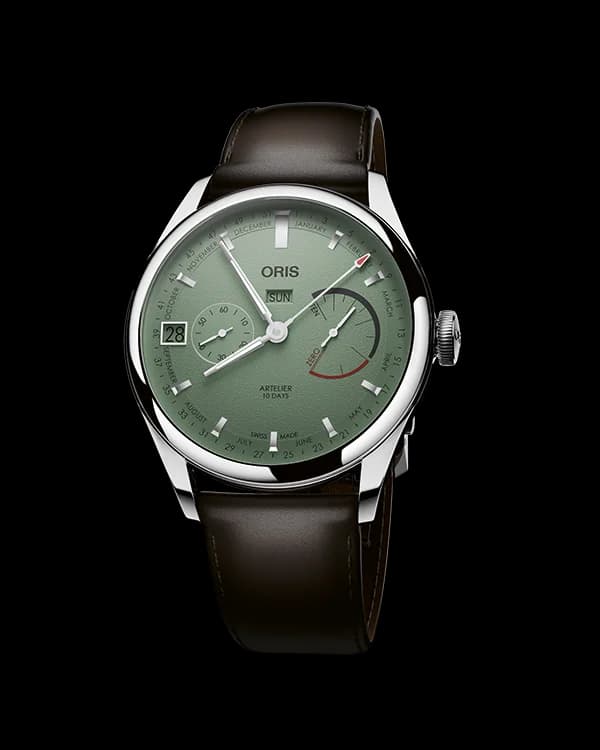
Some watches built for hard use have the coating only on the inside of the crystal. On other watches the coating sits on the outside as well, and an outer coating can wear off. When it does, the crystal usually has to be replaced, because recoating it is almost impossible. Older watch coatings could also give the crystal a green, purple or blue tint. Watches from Oris, Omega and Longines have the coating.
Checked