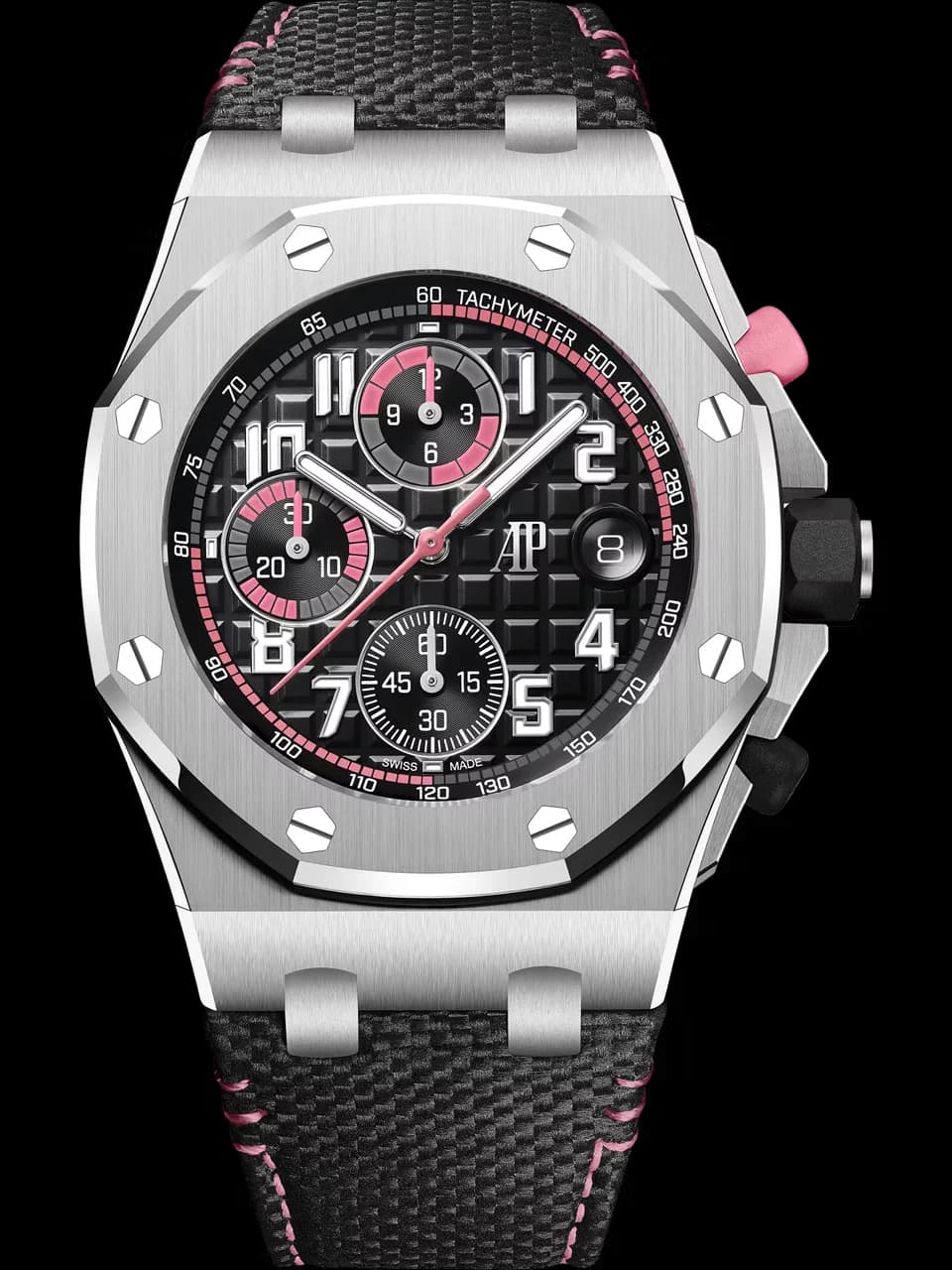
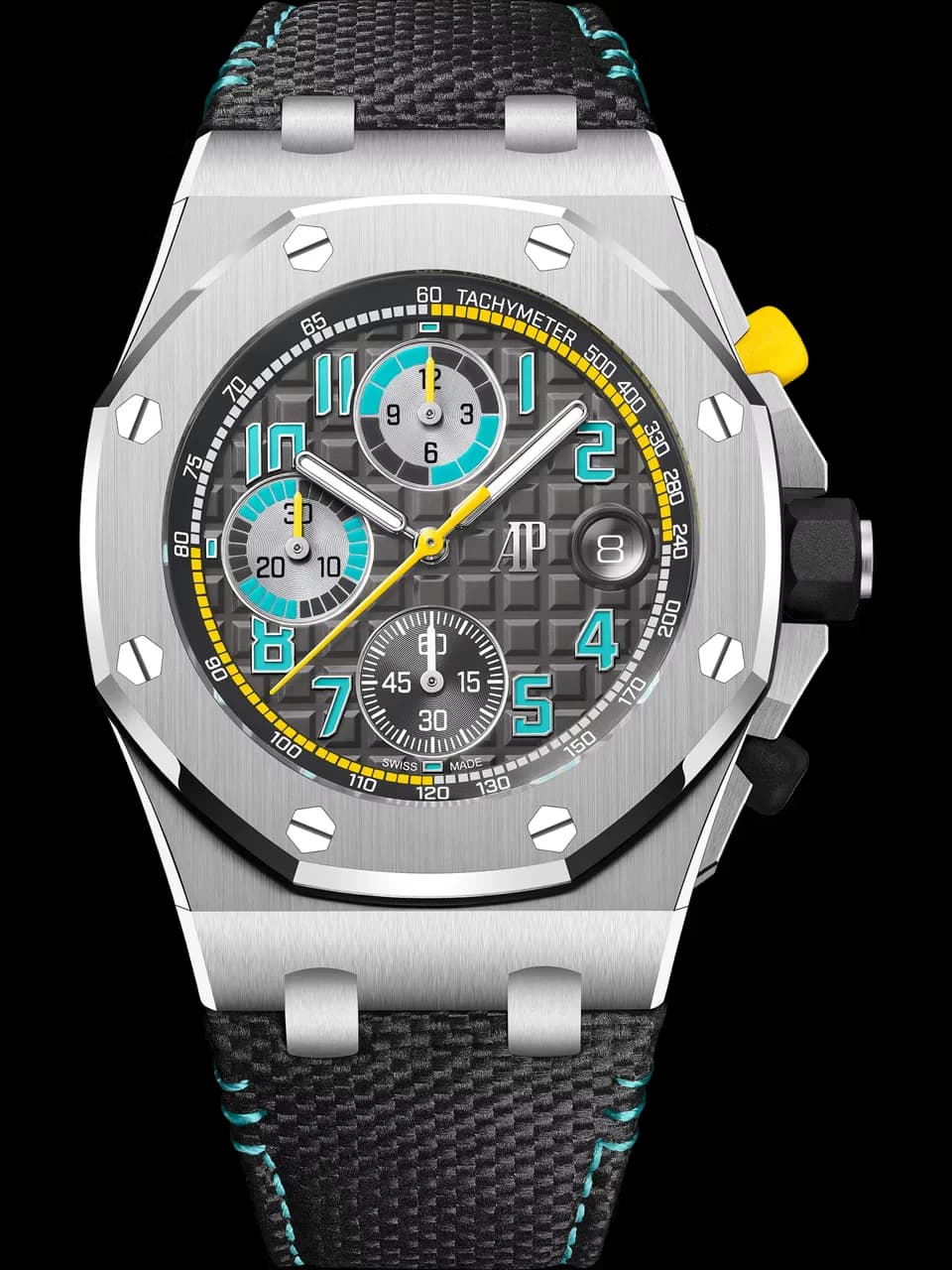
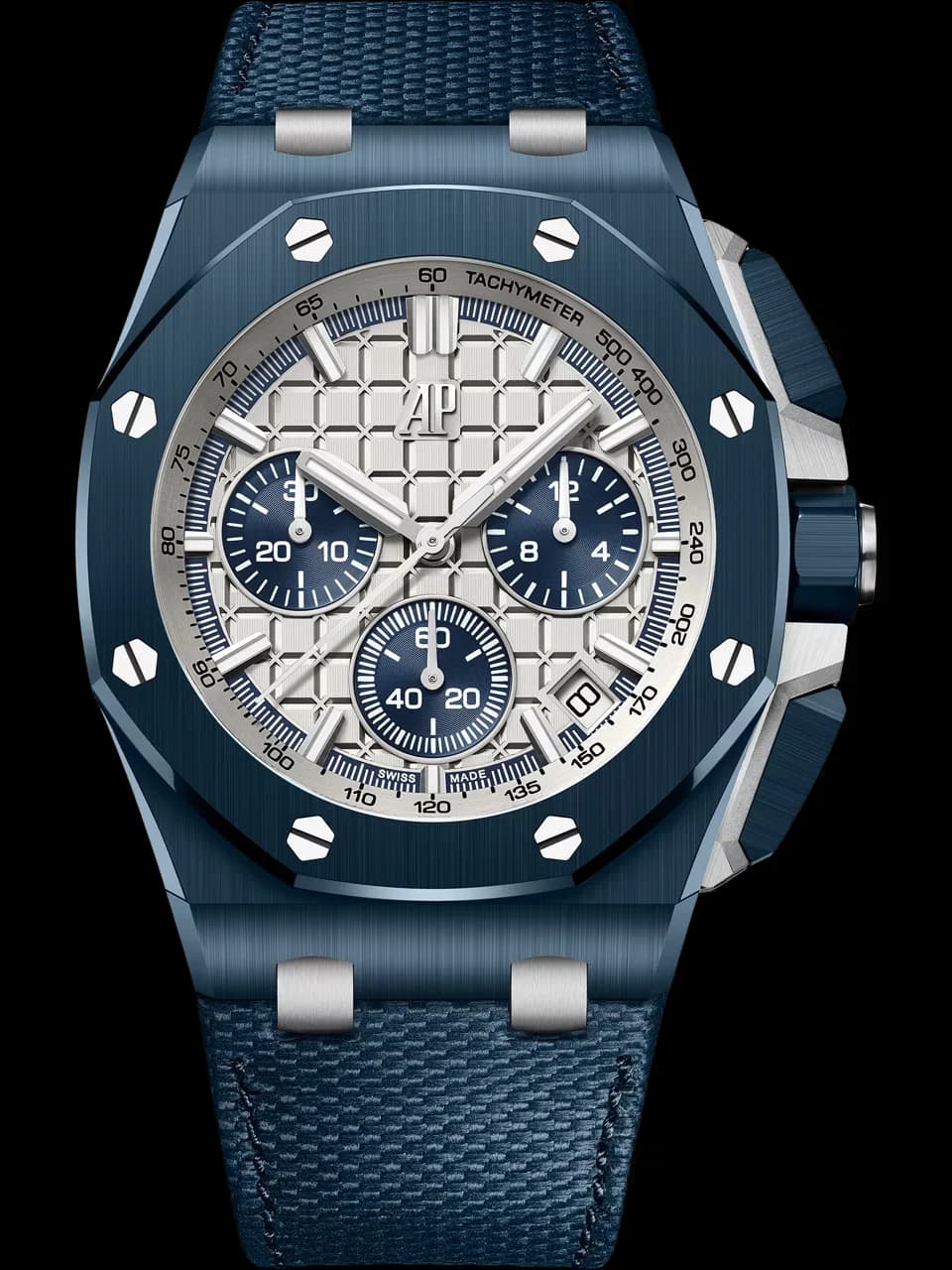
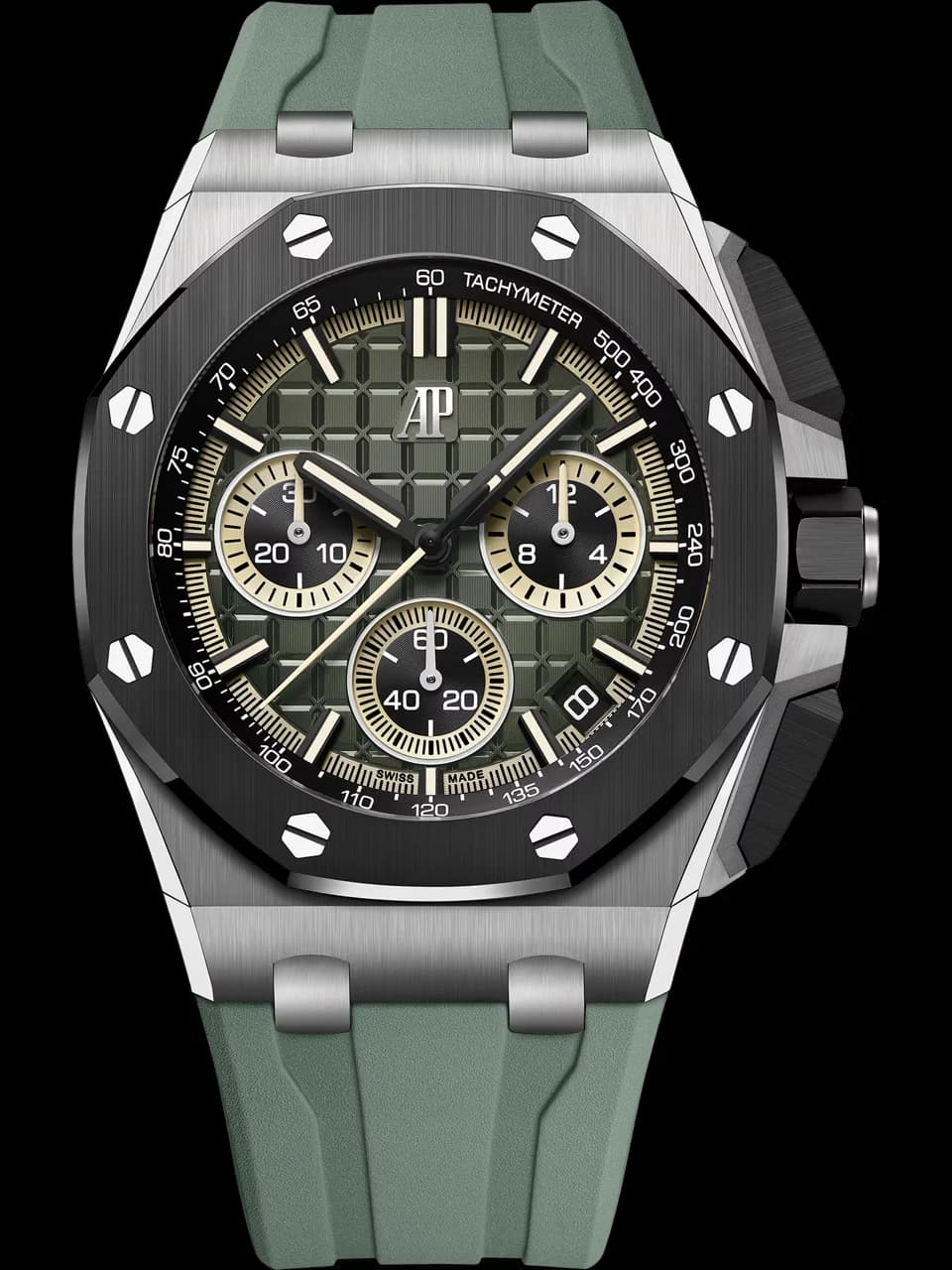
A flyback chronograph is a chronograph that can be zeroed and restarted in one action, without stopping it first. An ordinary chronograph needs three steps for the same job: stop, reset and start again. Doing it in one press cuts errors when timing one interval straight after another.
How does a flyback chronograph work?
While the chronograph is running, the wearer presses the pusher. The hands go back to zero and start timing again at once. The chronograph never has to be stopped first. To do this, the movement must uncouple the chronograph wheel and couple it again straight away. That makes the movement more complicated than an ordinary chronograph’s. On the early Longines flyback, a single press on the pusher stopped, reset and restarted the seconds hand.
Why did pilots want a flyback?
Pilots needed to time several intervals one after another. On an ordinary chronograph of the time, each new interval took three presses: stop, reset, start. Timing a series like this on an ordinary chronograph introduced large errors. The flyback cut this to one press. The aim was smaller errors and better navigation. The function is especially handy for timing laps in motor racing and short events in flying.
Where it comes from
The first production Longines flyback watches left the factory in Saint-Imier at the end of 1934. Longines applied for a patent on the flyback mechanism on 12 June 1935. The explorer Richard Byrd took a Longines flyback chronograph on his third Antarctic expedition, in 1939–1940. It was a wrist chronograph with the 13ZN calibre. IWC Schaffhausen, Audemars Piguet and Hublot make watches with a flyback.
Checked