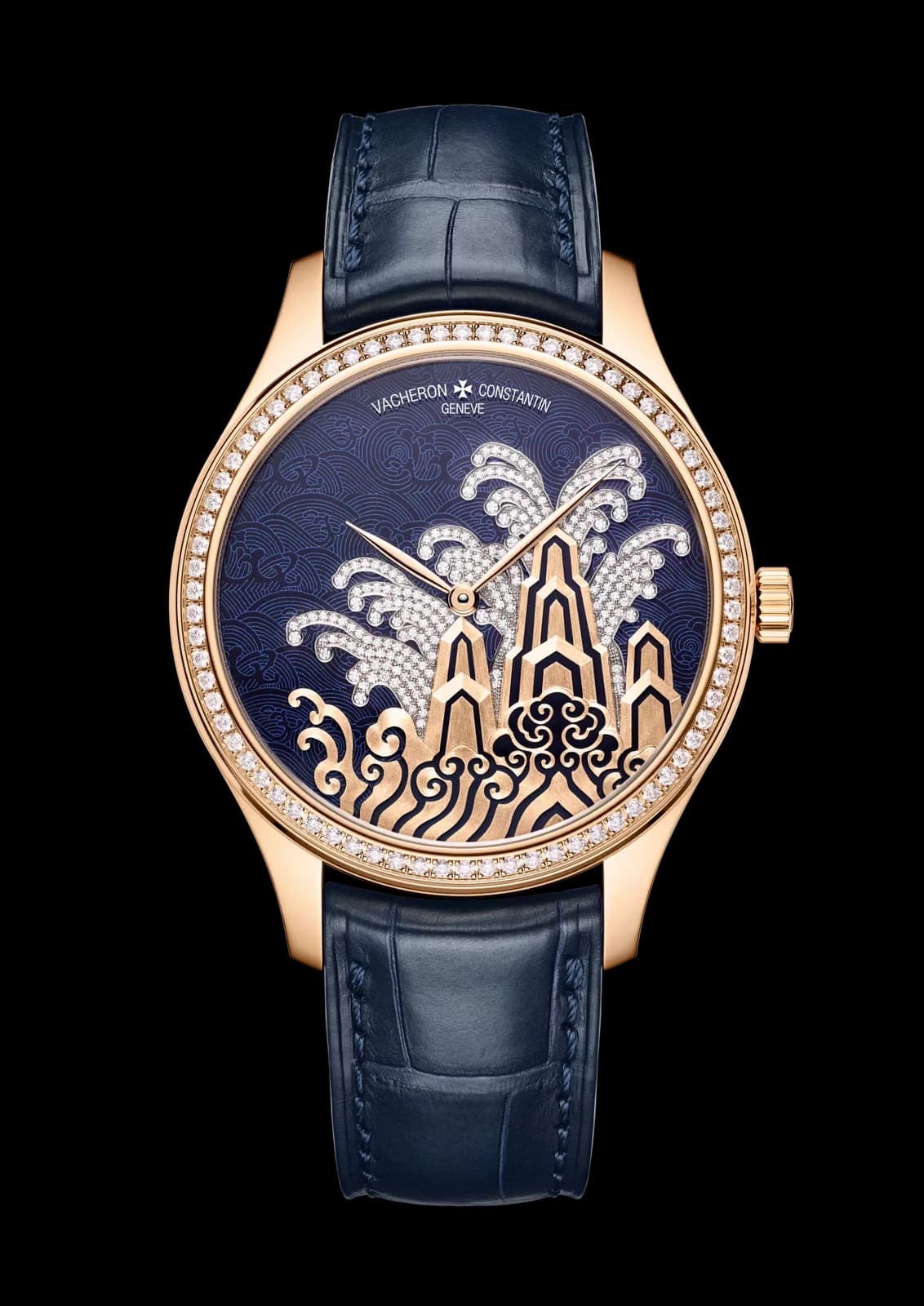
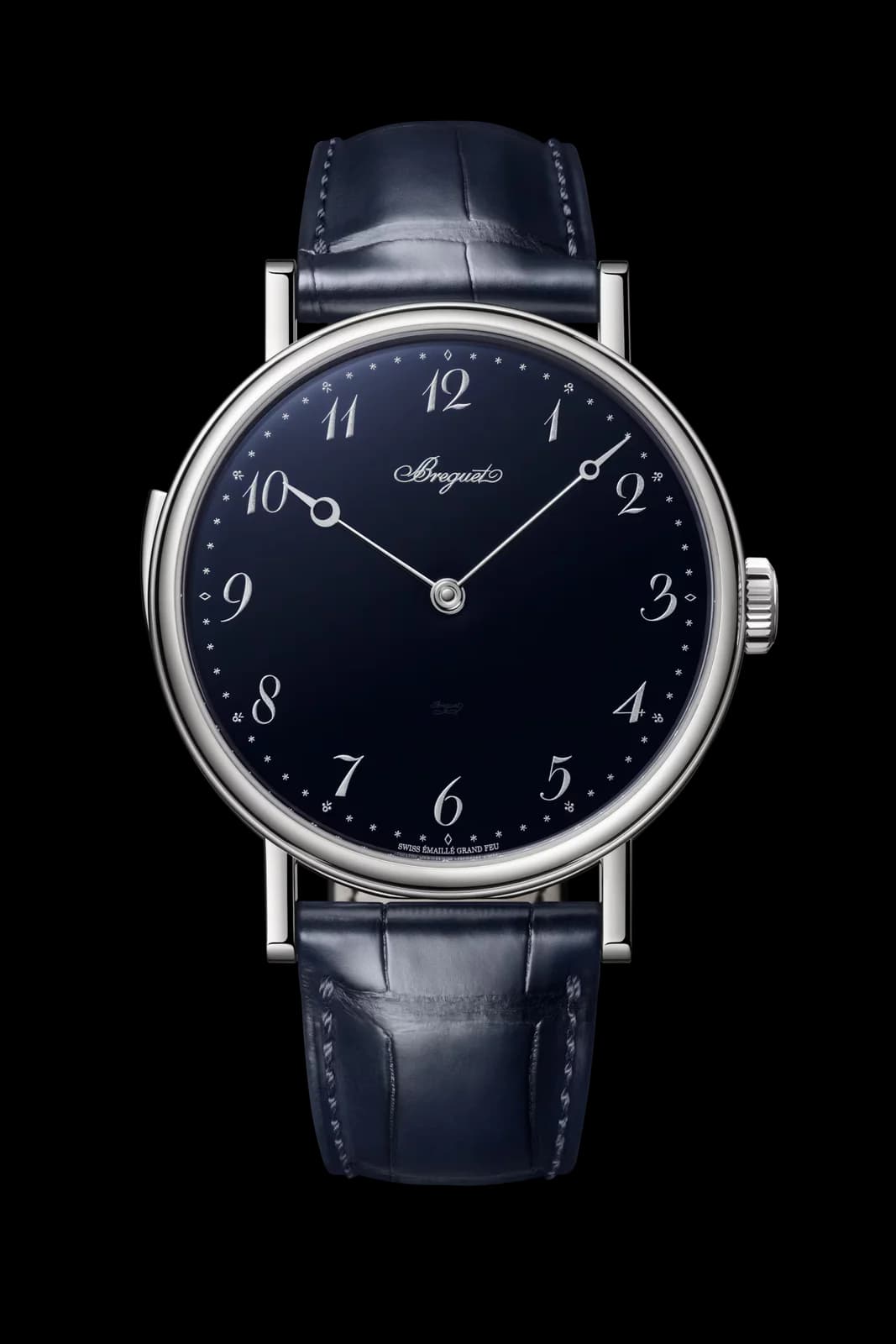
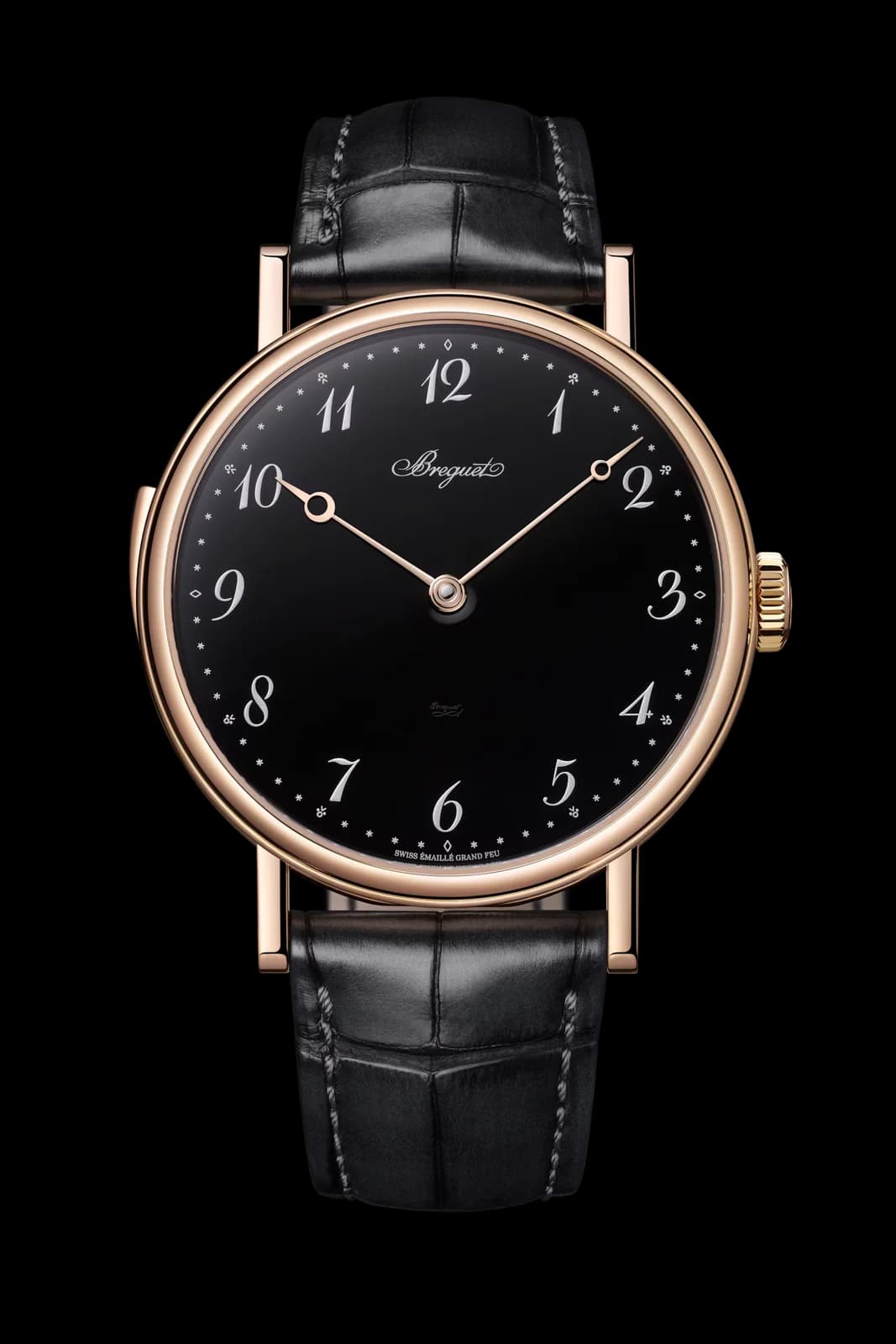
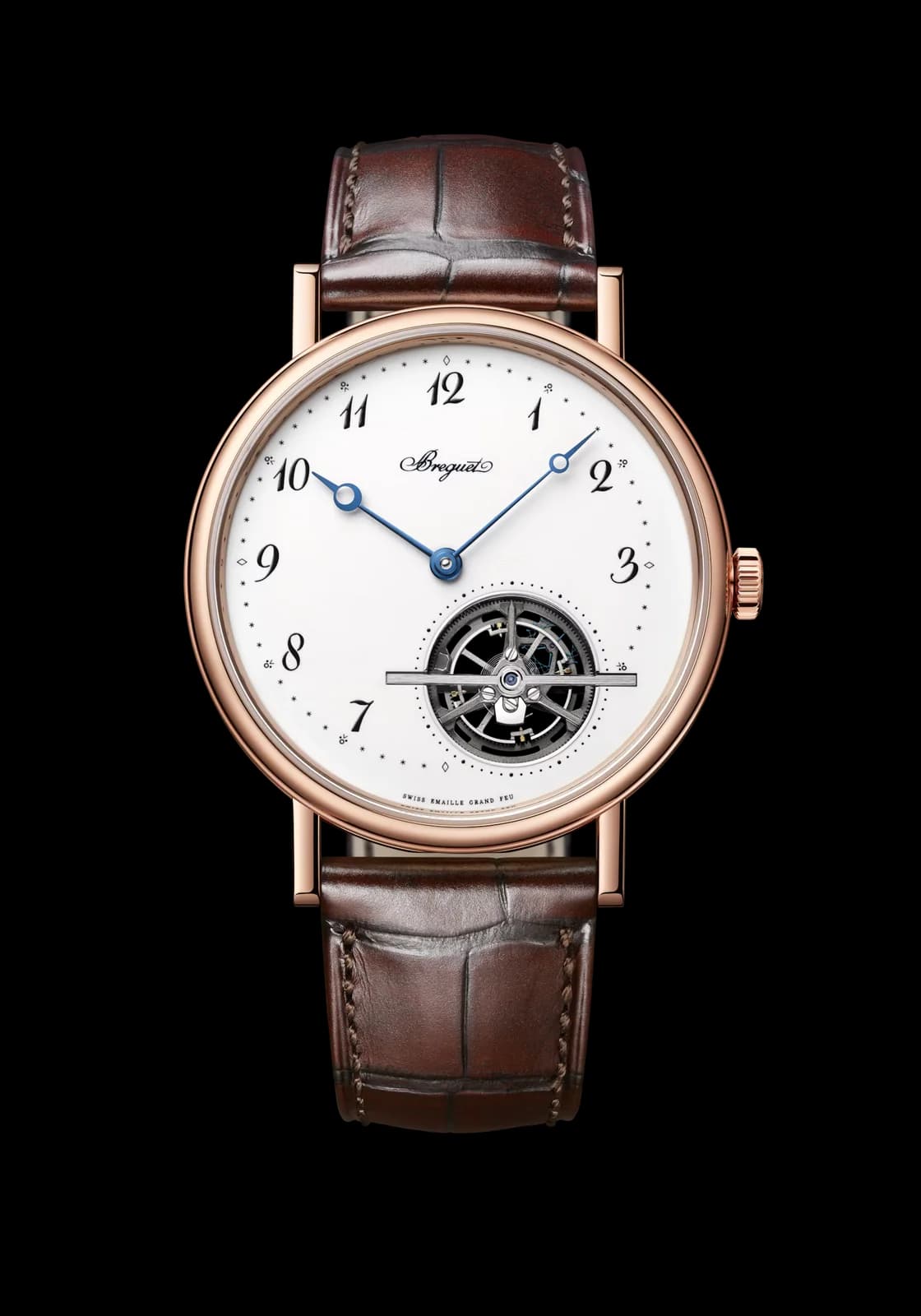
Grand feu enamel is a way of making watch dials by melting powdered glass onto a metal plate, usually copper. The dial is fired again and again in a kiln. Monochrome says the heat gives it a depth that paint and lacquer cannot copy. The finished surface resists fading, discolouring and cracking.
How is a grand feu dial made?
The enamel starts as a powder ground from silica, minium, potash and soda. The enameller paints a layer onto the metal plate, fires it in the kiln, then takes it out. The cycle is repeated, usually five to ten times. Firing temperatures can reach roughly 800 to 900 °C. At that heat the enamel melts and bonds to the metal. Each firing carries risk. Many dials fail along the way, and one dial maker puts the share that never reach the end at 60 to 75%. Most watch brands send grand feu work to outside specialists rather than doing it themselves.
Where it comes from
Enamel dials first appeared in France and Switzerland, about a hundred years after the first watches were made in Germany. The French clockmaker Paul Viet was an early master of the craft. He made enamel watch dials in Blois from around 1635. Girard-Perregaux says the name comes from the kiln, which is heated to about 800 °C. Today grand feu dials appear on watches from Breguet, Chopard and Laurent Ferrier.
How does grand feu differ from porcelain?
Grand feu belongs to the wider family of vitreous enamel, which is enamel made from glass. But not every vitreous enamel dial is grand feu. Porcelain dials are also fired at high heat. The difference lies in the material. A porcelain dial is made of fired clay. An enamel dial is made of powdered glass, melted onto metal.
Checked