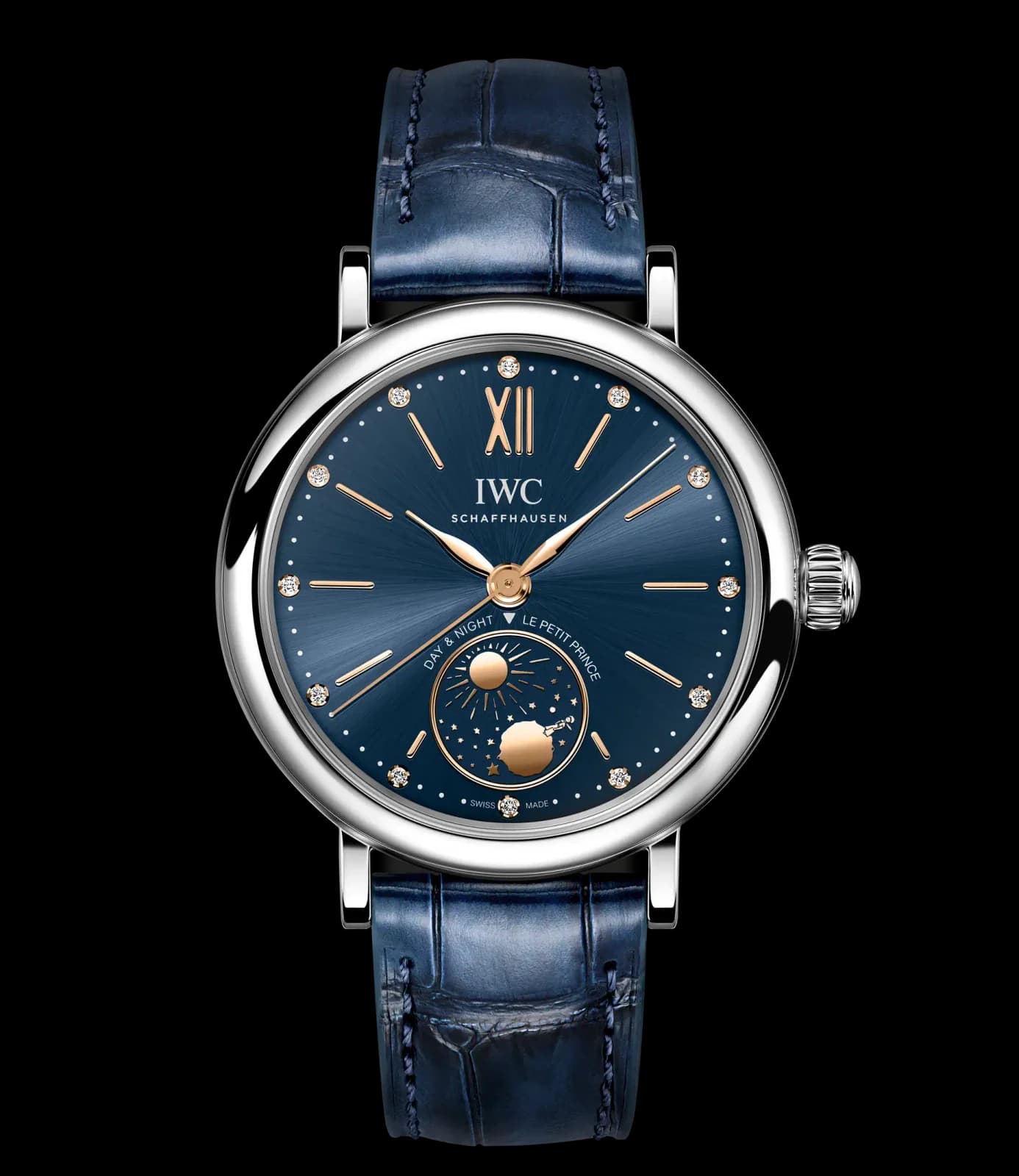
A day/night indicator is a complication that shows whether the time on the watch falls in the daytime or the night-time hours. It is most useful on watches that have no 24-hour display. On dual-time and world-time watches, it shows whether the home time and the other times are in day or night.
How does a day/night indicator work?
The movement drives the indicator. Its disc is turned by the hour wheel, so it stays in step with the hands. It usually makes one full turn every 24 hours. Mechanically, it works like a 24-hour indication, with a hand that goes round once a day. A basic version can be a disc in two colours, with white and black sections marking day and night. On a sun-and-moon display, the sun starts to show in the window once the hour hand reaches 6 o’clock.
Where it comes from
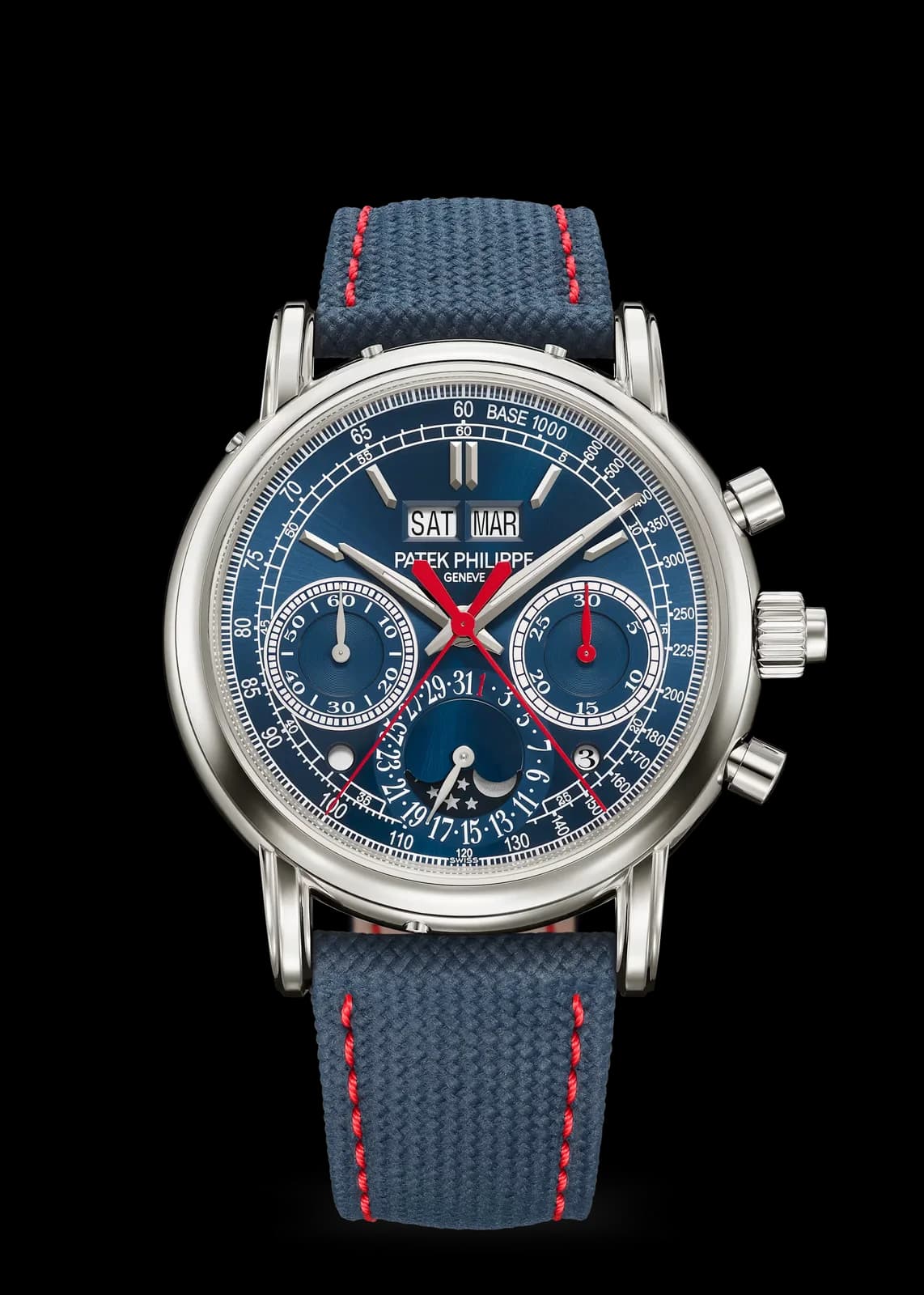
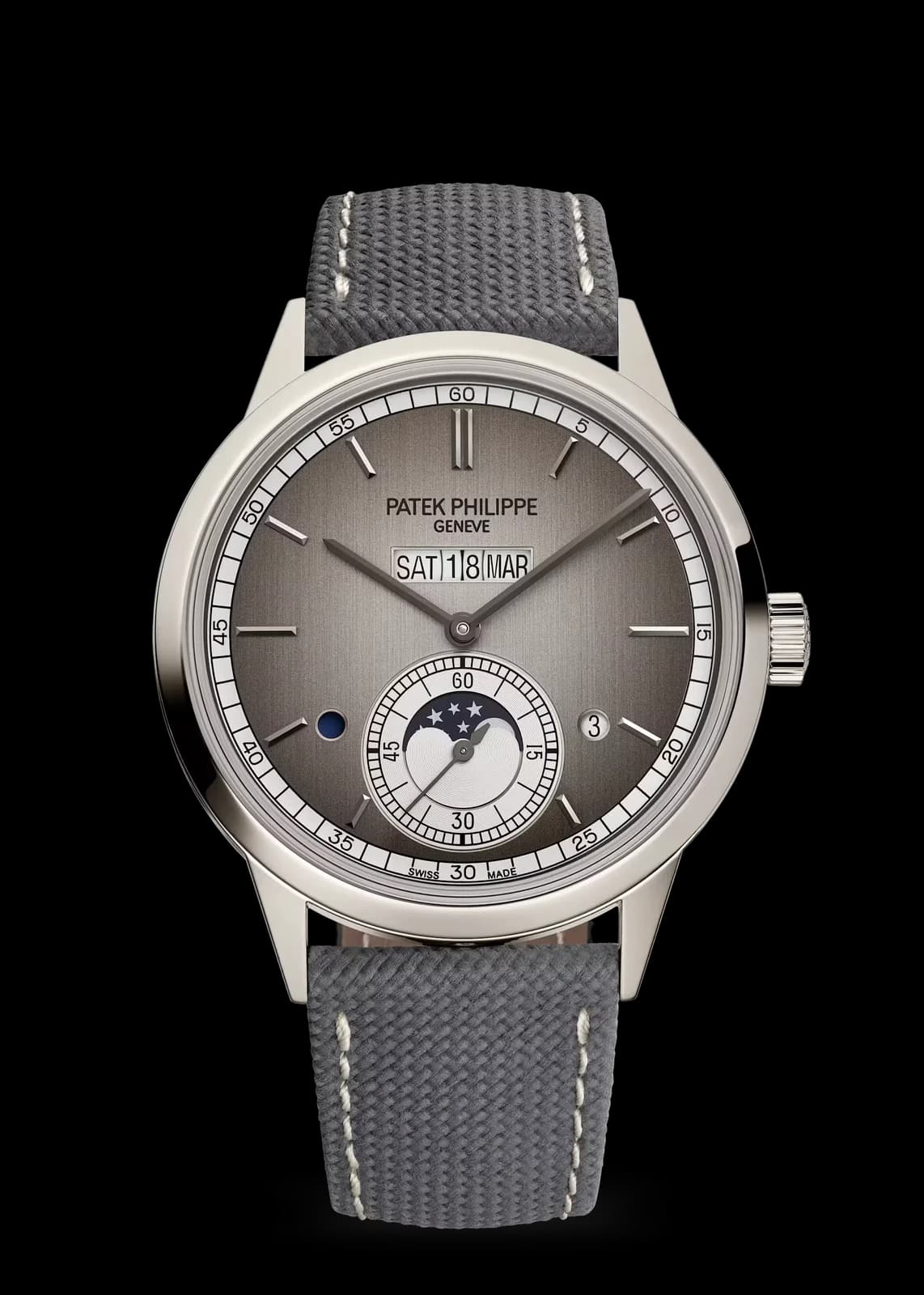
The first pocket watches with a day/night indicator seem to have come from England. Some American soldiers in World War II were given a simple watch with one. In the 1960s, Gruen’s Precision Day-Night used a two-tone disc under the dial that turned all the hour markers green from 6h to 18h. Rado took up the same two-tone idea in that decade with its Starliner Day/Night. The complication is found on watches from Patek Philippe, Jaeger-LeCoultre and A. Lange & Söhne.
Not to be confused with
The day/night indicator is a different complication from the moon phase display. The two can look alike on the dial, but they are not the same thing. Ocarat says some older displays that only separate two 12-hour halves are really AM/PM indicators. In its view, they are not true day/night functions.
Checked